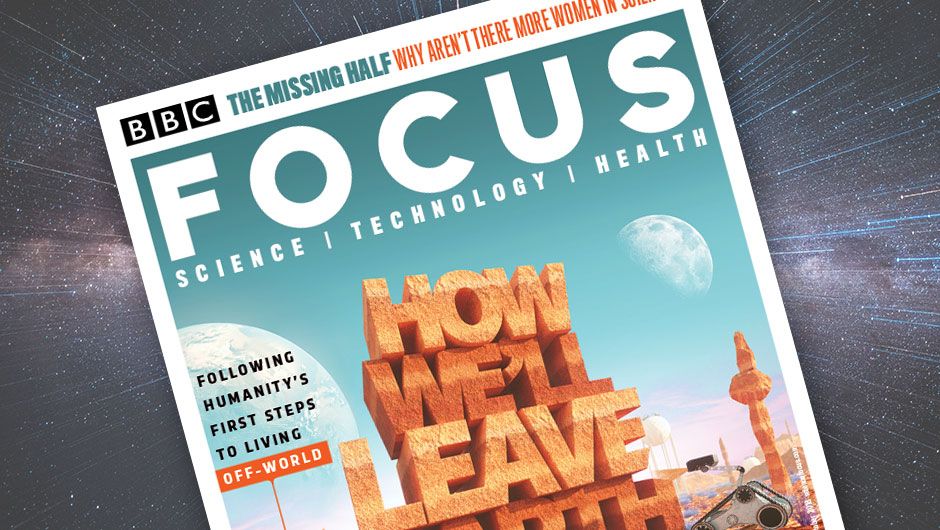
It might sound like pie in the sky, but the idea of leaving Earth for good is one that scientists are taking seriously — we investigate in the new issue of BBC Focus.
Category: futurism – Page 1,311

Software could lead to personalized leukemia treatments
New research lays the foundation for the development of highly personalized immune therapies for people with acute myeloid leukemia.

Top 10 Emerging Technologies of 2018
Disruptive solutions that are poised to change the world — a special report produced by Scientific American in collaboration with the World Economic Forum.
Scientific American is the essential guide to the most awe-inspiring advances in science and technology, explaining how they change our understanding of the world and shape our lives.


Millions of older people taking aspirin may be doing so unnecessarily, study finds
Some older people take aspirin every day to prevent a heart attack or stroke. But a landmark Australian study has found they may be wasting their time.

5 new ways your Apple Watch will help you track fitness
Apple is bolstering the Apple Watch’s fitness capabilities with several much-needed, intuitive features.
- by
-
Taylor Martin
UNESCO: Galapagos Islands
These actively volcanic islands are home to fascinating creatures found nowhere else on Earth, like marine iguanas and giant tortoises. https://on.natgeo.com/2xatIdd
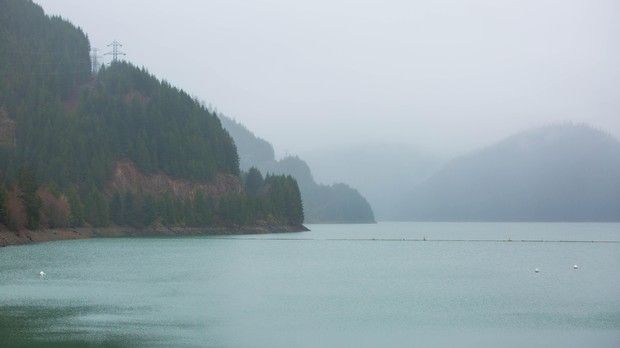
Report Finds Salem Knew For Years That Algae Could Threaten Water, Didn’t Plan Accordingly
A new assessment says the city could have better handled a water crisis this summer, but it still did a lot right.
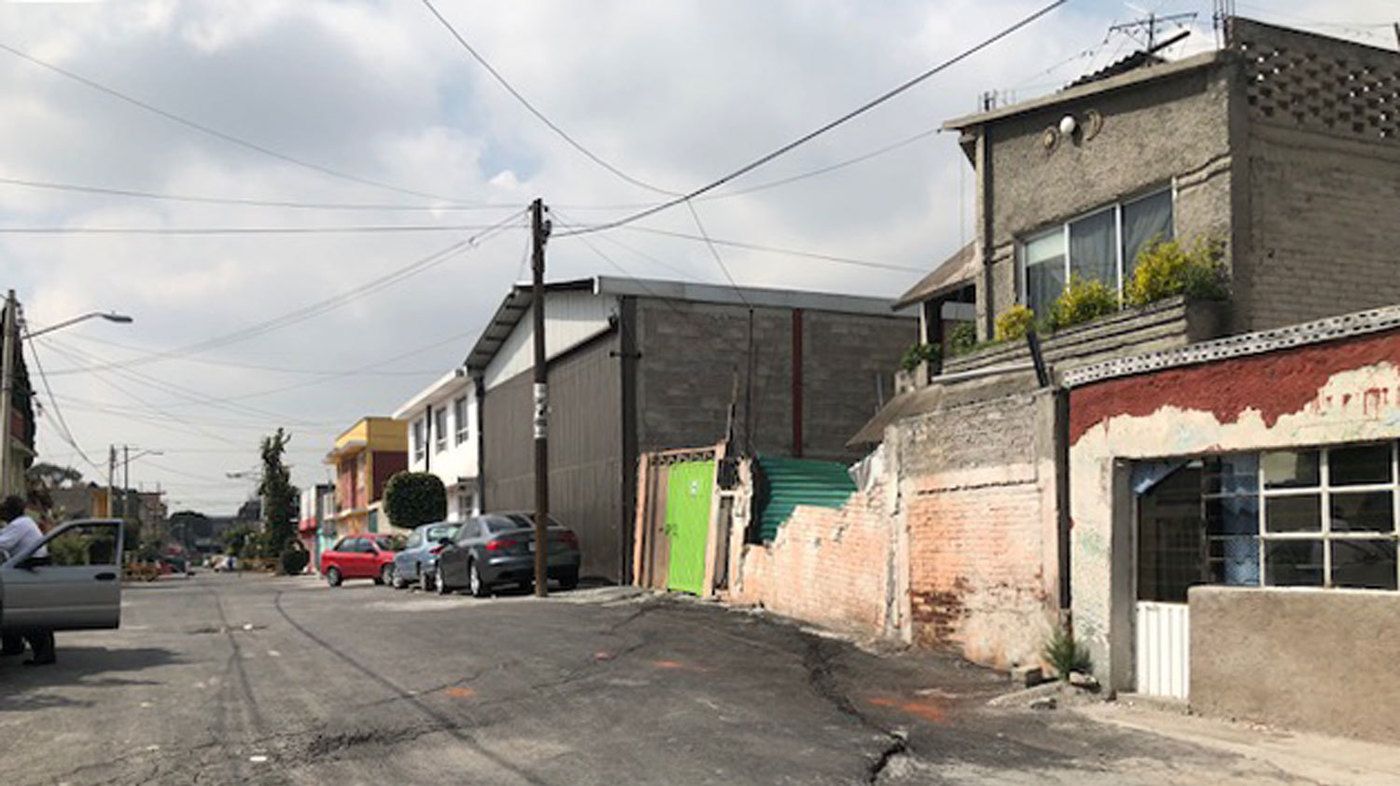
Mexico City Keeps Sinking As Its Water Supply Wastes Away
The ancient Aztecs first picked the spot. They built their city atop the huge lakes that filled this valley, leaving the natural freshwater supply intact around them. The city flooded back then too, but the Aztecs, probably the last civilization to properly manage this watershed, built a system of dikes to control the problem.
The “historic mistake” kicked in around the 1600s, when Hernándo Cortés and his band of conquerors arrived. To make room for their expanding empire, over a few hundred years, they slowly but surely drained all the valley’s lakes.
By the 20th century, long after Mexico’s independence from Spain, the fresh surface water was mostly gone and the hunt for new sources had taken over. Hundreds of miles of pipes now bring in about 30 percent of the city’s water needs from faraway rivers and lakes. The rest comes from the valley’s vast underground aquifer.