
Special Operations Command is launching a new program, Mission Command, that will present all the data needed for a mission in a single visualization.
Category: futurism – Page 1,091
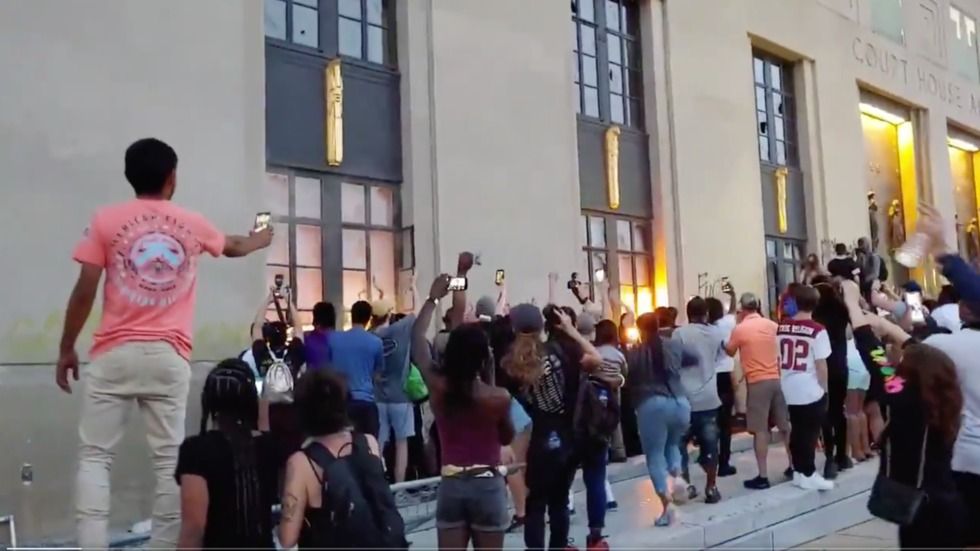
Nashville courthouse vandalized & set on FIRE as riot police try to disperse anti-brutality protesters with tear gas (VIDEOS)
Protesters in Nashville, Tennessee broke into Metro Courthouse, setting fires inside, as peaceful anti-police-brutality rallies slip into chaos and rioting all across the US.
Thousands of people marched peacefully through the city and gathered in the Public Square Park, chanting slogans against police brutality in the wake of the death of George Floyd.
#BREAKING: There’s fire inside City Hall. Protestors keep smashing windows. @WPLNpic.twitter.com/uPgLFRCE2W — Sergio Martínez-Beltrán (@SergioMarBel) May 31, 2020
Pablo Cobos on Facebook Watch
EL PUEBLO SE ESTÁ DESPERTANDO🇦🇷💪🏻
Presidente, el pueblo se cansó de su falta de empatía, ya no cree en usted ni en la “cuarentena”.
Miles de comercios y pymes se están fundiendo, la mayoría no recibió ayuda del gobierno.
Si piensa que con autoritarismo o con el tinte dictador de su vicepresidente, puede seguir llevándonos a la miseria para vivir de las migajas del estado, sepa con este levantamiento que no va a ser así!
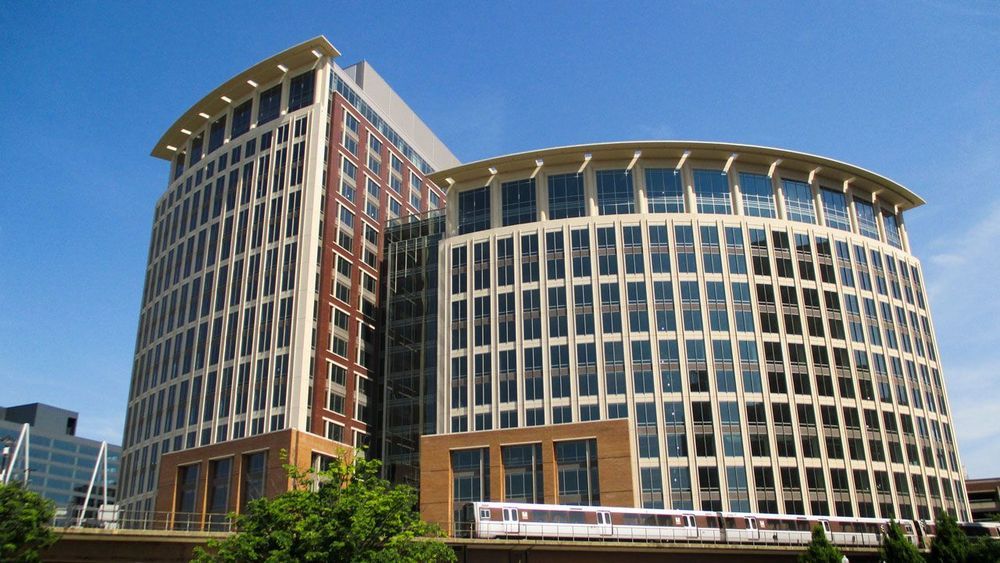
U.S. lawmakers unveil bold $100 billion plan to remake NSF
Agency would get a huge technology research arm and a new name.
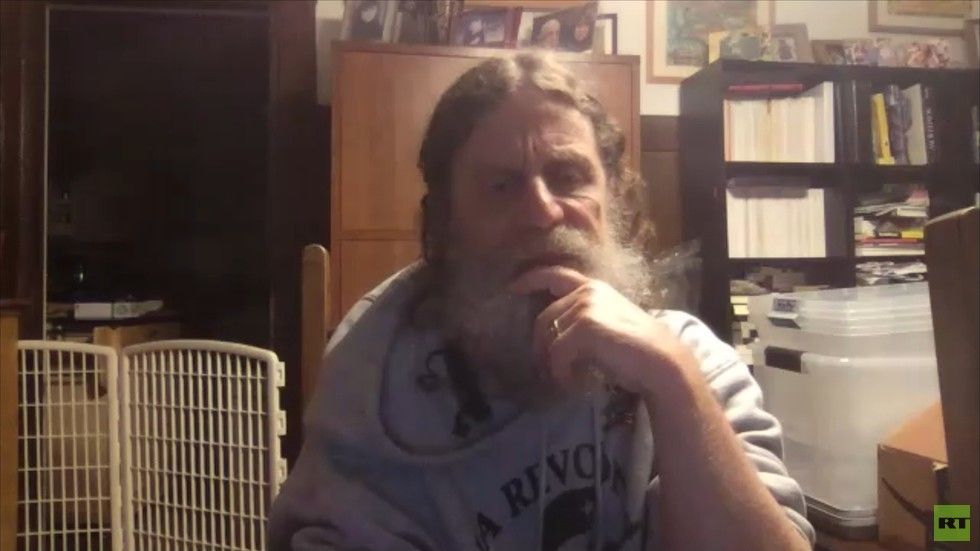
Robert Sapolsky: We’re uniquely violent and compassionate
Humans are on the one hand capable of mass genocide, and on the other hand, great self-sacrifice. Why are we capable of such extremes? We talked about this with Robert Sapolsky, professor of biology and neurology at Stanford University and recipient of a MacArthur Foundation genius grant.
Follow @SophieCo_RT
Instagram Sophieco.visionaries
Gaia Satellite Scans the Sky to Measure Positions and Motions of 1.7 Billion Stars [Video]
Launched in 2013, the Gaia satellite has been scanning the sky to measure the positions, distances and motions of more than one billion stars in our galaxy, the Milky Way. The goal of the mission is to create the most detailed galactic map ever made, in order to investigate the Milky Way’s past and future history like never before.
The animation below shows the satellite as it scans great circles around the sky. Eventually, the sky is unfolded to reveal the view of the Milky Way and neighboring galaxies, based on measurements of nearly 1.7 billion stars from the second Gaia data release. The map shows the total brightness and colour of stars observed by Gaia in each portion of the sky between July 2014 and May 2016. Brighter regions indicate denser concentrations of especially bright stars, while darker regions correspond to patches of the sky where fewer bright stars are observed. In the middle of the image, the Galactic center appears vivid and teeming with stars.
Animation of data from ESA’s Gaia second release, which was made public on April 25, 2018.
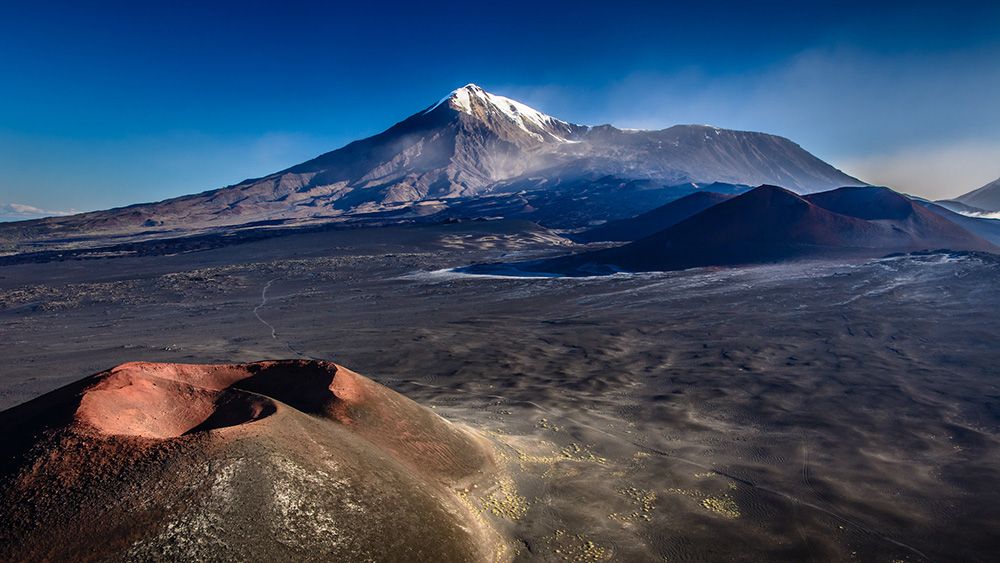
There’s a Russian Volcano That Erupts Diamonds
Diamonds are remarkable. Most form deep within Earth, 62 miles or more beneath our feet and are brought to the surface in powerful explosive eruptions. Yet researchers looking at the 2012–13 eruption of Tolbachik on the Kamchatka Peninsula in Russia found tiny diamonds in the volcanic debris. This was not one of those powerful explosions but a massive series of lava flows. So why were there diamonds showing up unexpectedly?
The “easiest” way to form diamonds is taking carbon and exposing it to the immense pressure within Earth’s mantle. Then they get coughed up with other chunks of rock from the mantle in these giant explosive eruptions called kimberlites. They’re named after one of the world’s most famous and productive diamond mines in Kimberley, South Africa. The places where we find most diamonds today are from the rocks created by these eruptions, found in places like northern Canada and Arkansas. Sometimes, glaciers or rivers have moved the diamonds from their sources, but they can be traced back to their original volcano sources.
There hasn’t a kimberlite eruption in recent human history. The most recent known kimberlite eruption might have happened 10,000 to 20,000 years ago in Tanzania, and that is controversial. The last confirmed kimberlite erupted 30 million years ago in the Democratic Republic of the Congo. Both of those places (and the locations of most kimberlite eruptions) are old continental areas called “cratons,” away from active tectonic zones like volcanic arcs.
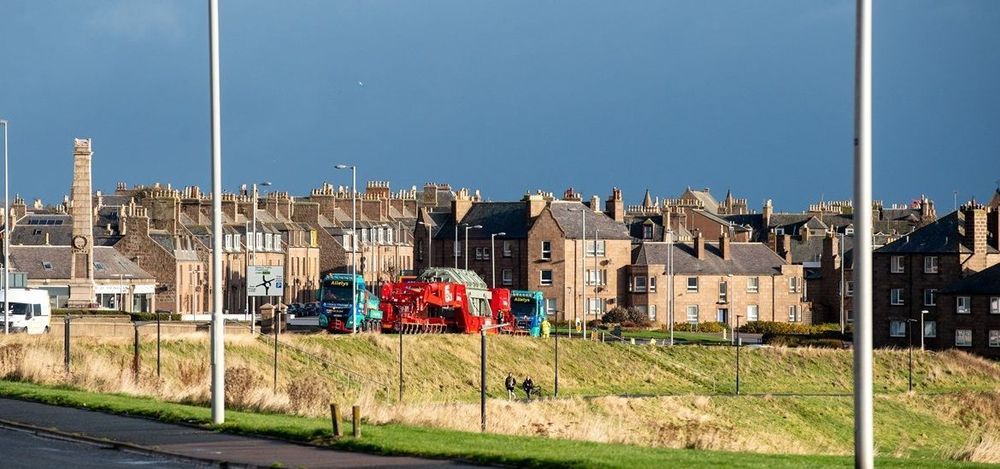
Siemens delivers first super grid transformer to Moray East onshore site
SCOTLAND, UNITED KINGDOM – Following a 932-mile journey by river, sea and road, the first of three super grid transformers was delivered by Siemens to the onshore substation at New Deer in North East Scotland for the Moray East offshore windfarm development.
The transformer was moved from the port at Peterhead, Scotland to the substation site by a 230-foot long 20 Axle 350Te Girder Frame transporter with a police escort, due to its size and weight.
Each of the three transformers is around 40 feet in length and weighing in at 270 tonnes.
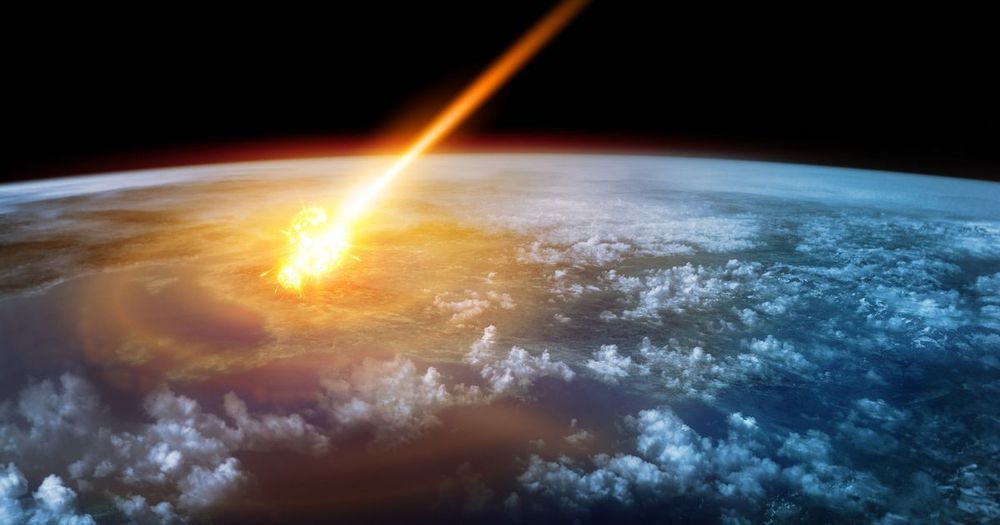
Scientists discover evidence of ‘life’ in meteor that crashed into Antarctica
Researchers have discovered traces of ancient oceans in meteorites which were found in 1984, the 4-billion-year old fragments contain organic compounds which are “key ingredients of life”.
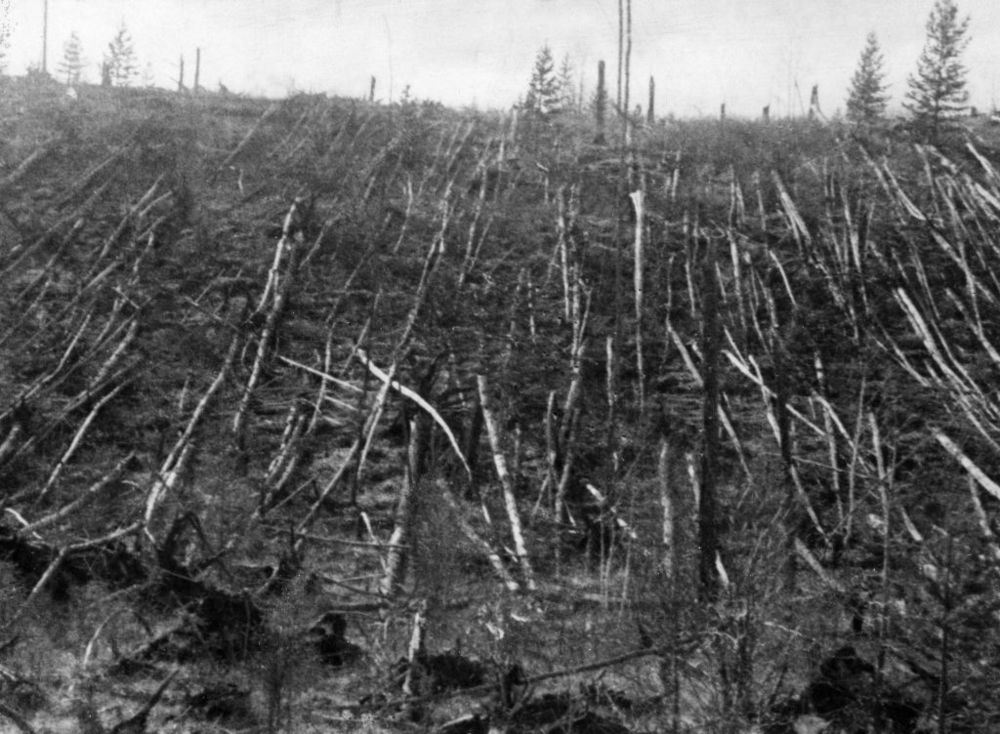
Meteor that blasted millions of trees in Siberia only ‘grazed’ Earth, new research says
TUNGUSKA: Giant skipping iron stone?
Scientists have a new explanation for an explosive cosmic event in 1908 that flattened trees for hundreds of miles in a remote Siberian forest.