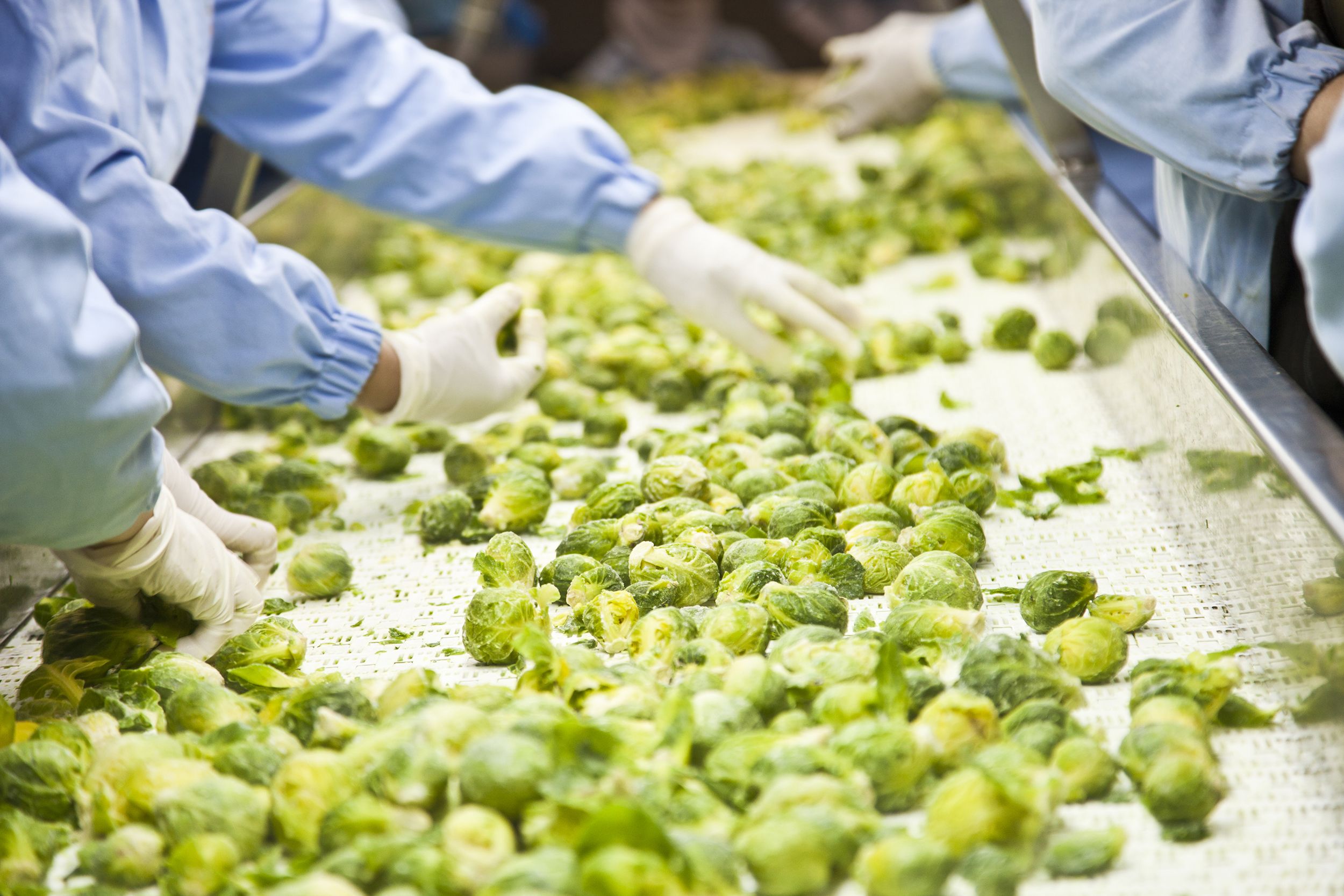
Austria’s Ams has released a pair of tiny spectral sensors for on-the-go analysis of foods or pharmaceuticals.
Attention all seaweed farmers! US DoE and DARPA wants you.
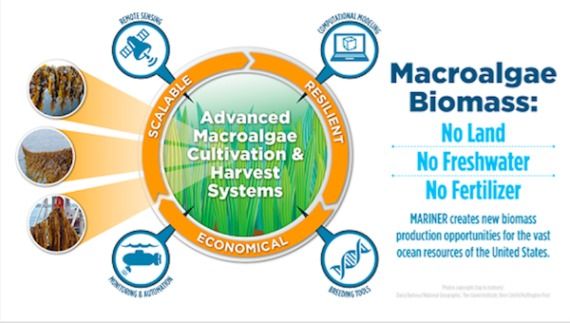
Did you know that the amount of commercially produced seaweed almost hit the mark of 25 million metric tons last year? China and Indonesia dominate the global seaweed-to-food market, and now the Department of Energy has been casting a hungry eye on the potential for the US to get in on the action, with a particular focus on converting seaweed to biofuel and other high value products.
Of course, there is a problem. Growing seaweed — aka macroalgae — for food is one thing. The algae-to-energy cycle is quite another thing entirely. That’s why the Energy Department has called upon its cutting edge funding division, ARPA-E, to put out a call for the super macroalgae farmer of the future.
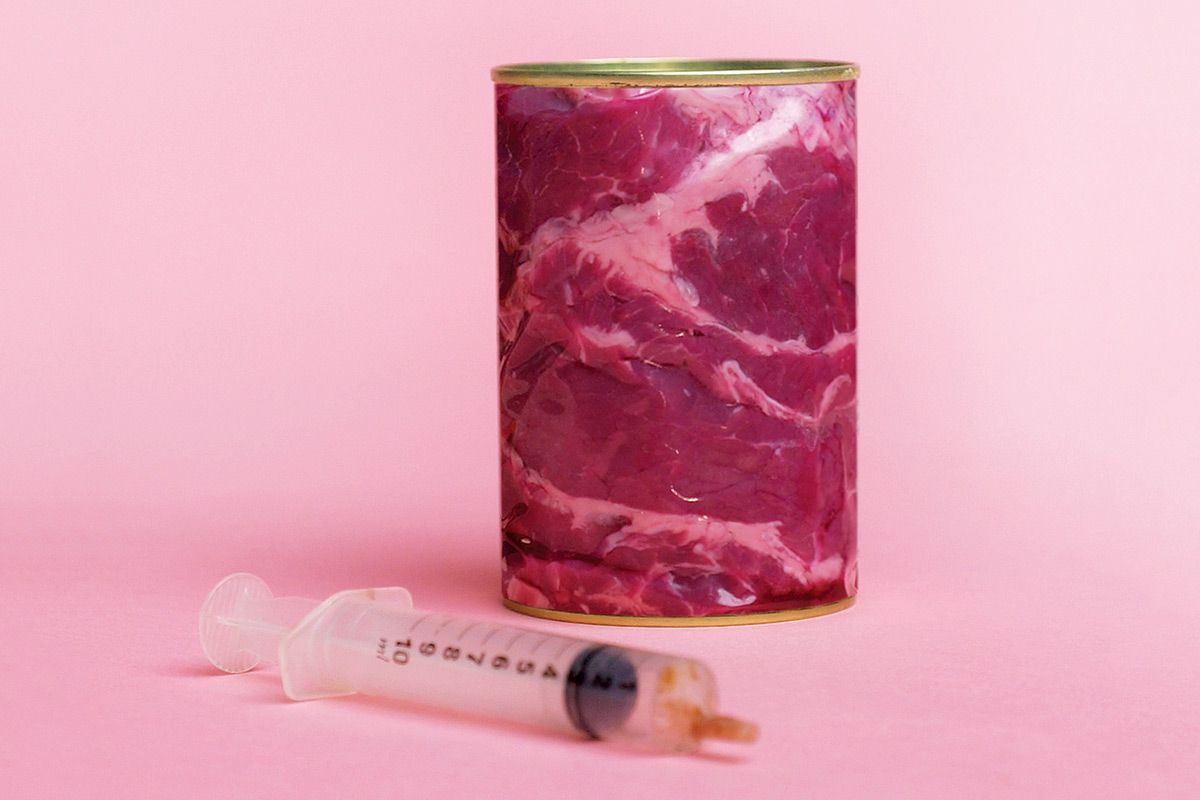

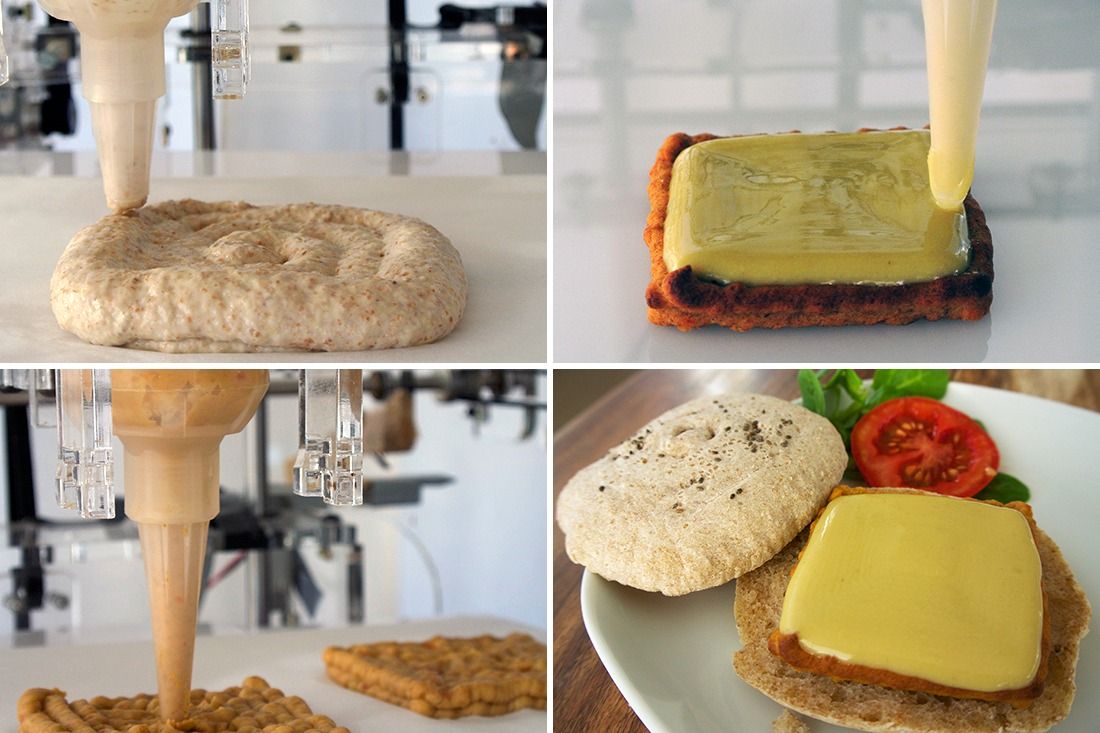
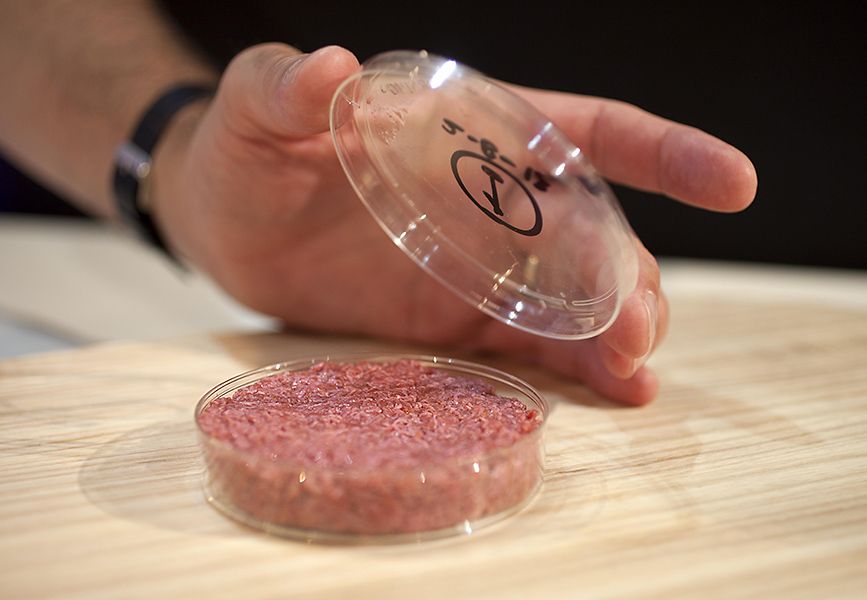
Food trends change all the time, and not just dependent on where you live, but also when. For example, 100 years ago they were not eating most of the stuff we have today. Pop Tarts, Cheetos, and Gatorade would certainly not have existed, and if you were to go back in time now and try and introduce these things, they would probably get thrown at you. But, the point is that sometimes you just can’t help what food is introduced around you and accepted as the norm, and over the next 30 years, we will see odder but edible manifestations are coming our way. Below are eight future foods that are not a million miles away from being introduced into society and are being worked on now:
Pretty wild; blood infections in cattle may have a possible link to breast cancer in humans.
Meredith Frie, Michigan State University
Humans began domesticating animals for food over 10,000 years ago, cultivating a close relationship with animals over the following millennia. Like humans, animals can get sick, and sometimes infections pass between humans and animals. Some of these infections, like ringworm, are mostly harmless, while others, like bovine tuberculosis, are extremely serious.
But how do we find out if these infections pose a risk to humans? I study dairy cows infected with bovine leukemia virus (BLV), which is found in most of the dairy herds in the U.S. Scientists are trying to figure out if BLV infects humans and, if it does, whether there is a link between BLV and breast cancer.
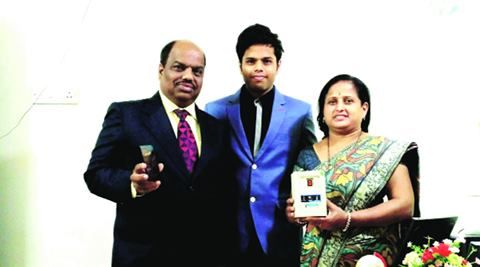
If SANTOSH Ostwal and his wife, Rajashree Otswal, were to calculate the number of electricity units saved or the amount of water conserved in terms of money, thanks to their invention, it would be enough to set up a small power plant or building a small dam. The end to a farmer’s daily drudgery and sleepless nights, though, is hard to convert into currency. But then money is something the Ostwal couple have not seen much of in their long journey of taking technology to the farms.
Much before information and communication technology (ICT) for agriculture and rural development became buzzwords and ‘e’ got hyphenated to everything, the Ostwals, both engineers, ventured into wireless irrigation and mobile-to-mobile (M2M) communication systems for agriculture. A remotely controlled pump using the mobile phone and combing it with some clever electronics was the innovation that has made the lives of farmers easier.
The Ostwals’ invention has impacted the lives of four lakh farmers with 50,000 installations in the last 12 years. A smart and affordable device, Nano Ganesh, saves farmers from making treacherous trips in pitch dark to their farms at midnight to access their water pumps and operate them, a daily reality, especially with erratic power supply. When the tired farmer fails to go out and switch off the water pump, there’s wastage of water and electricity. In addition, the excess water damages the soil and crop, hurting them further. If that is not enough, there is the theft of water pumps and cables to be dealt with. These are the problems that the couple set to solve.

More data for caloric restriction and health benefits.
The long-term response to calorie restriction has long been of interest to the aging research community, and particularly in the past few decades as the tools of biotechnology allowed for a more detailed analysis of the metabolic changes that accompany a reduced calorie intake. A restricted diet extends healthy life spans in near all species tested to date, though to a much greater extent in short-lived species than in long-lived species such as our own. Considerable effort is presently devoted to the development of drugs that can replicate some fraction of calorie restriction — more effort than is merited in my opinion, given that the optimal result for extension of human life span achieved via calorie restriction mimetics will be both hard to achieve safely and very limited in comparison to the gains possible through rejuvenation therapies after the SENS model. Repairing damage within the existing system should be expected to outdo attempts to change the system in order to slow the accumulation of damage, in both efficiency and size of result.
Not everyone is interested in the long term, however. The short term health benefits of calorie restriction appear quickly and are surprisingly similar in mice and humans, given that calorie restriction in mice results in significantly extended life and calorie restriction in humans does not. The beneficial adjustments to metabolism and organ function are for the most part larger and more reliable than similar gains presently achievable through forms of medicine. That is more a case of medical science having a long way to go yet than calorie restriction being wondrous, however. Still, the short term benefits are coming to the attention to wider audience within the research and medical community.
Interesting approach.
Families who rely on food stamps may not be left out of the future of grocery shopping after all.
The pilot, which will run for two years, will launch on Shop.safeway.com in August.
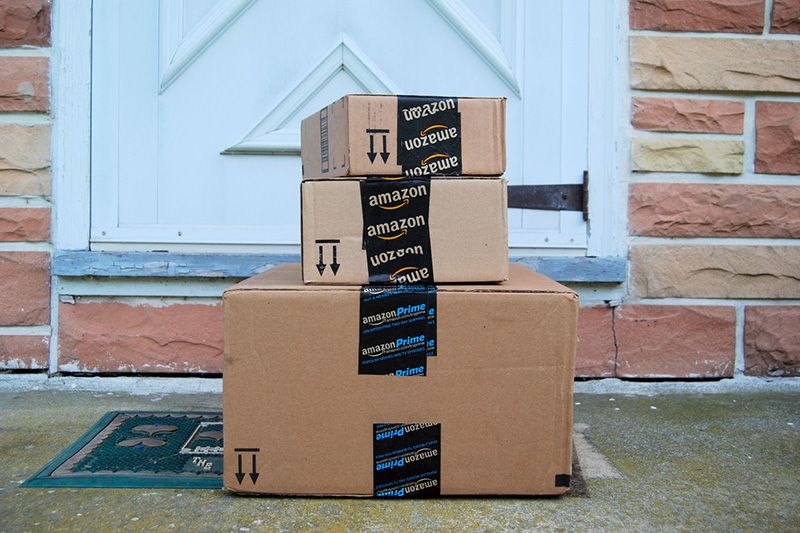
The other retailers include Amazon, testing the program in New York, New Jersey and Maryland; Safeway, testing it in Maryland, Oregon and Washington; delivery service FreshDirect, testing in New York; and other regional and local grocers testing the program in New York and other East Coast states. As with the core program, SNAP participants will be able to use their benefits only to purchase eligible items online, not to pay for service or delivery charges. “Allowing consumers to use their SNAP benefits in the same way you would also use a credit or debit card to purchase groceries will lead to lower prices and greater options for consumers in every corner of this city and state”, said Diaz “I want to thank Congressman Maloney and our NY delegation, our partners in business and the health and hunger advocates who understood the need for this pilot program and joined our efforts to bring this important new program to NY”. “With the SNAP Pilot, we look forward to bringing the online purchasing option to SNAP clients and positively impacting all the communities that we serve”.