The single-celled Mesodinium chamaeleon harnesses algae, which lives inside it, for energy.
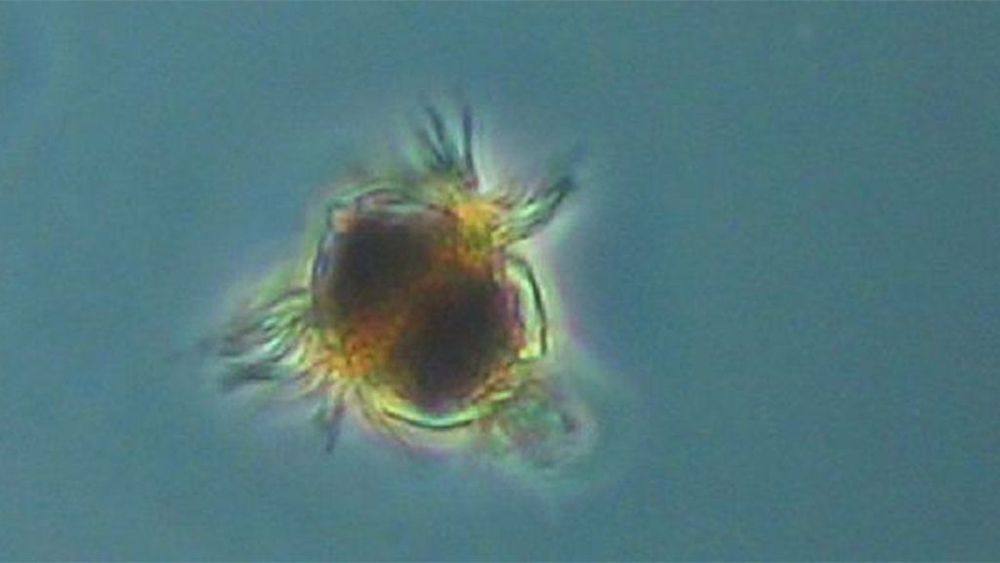
Their pilot system absorbs excess nutrients, sequesters carbon dioxide and re-oxygenates the water, all while producing an efficient form of energy.

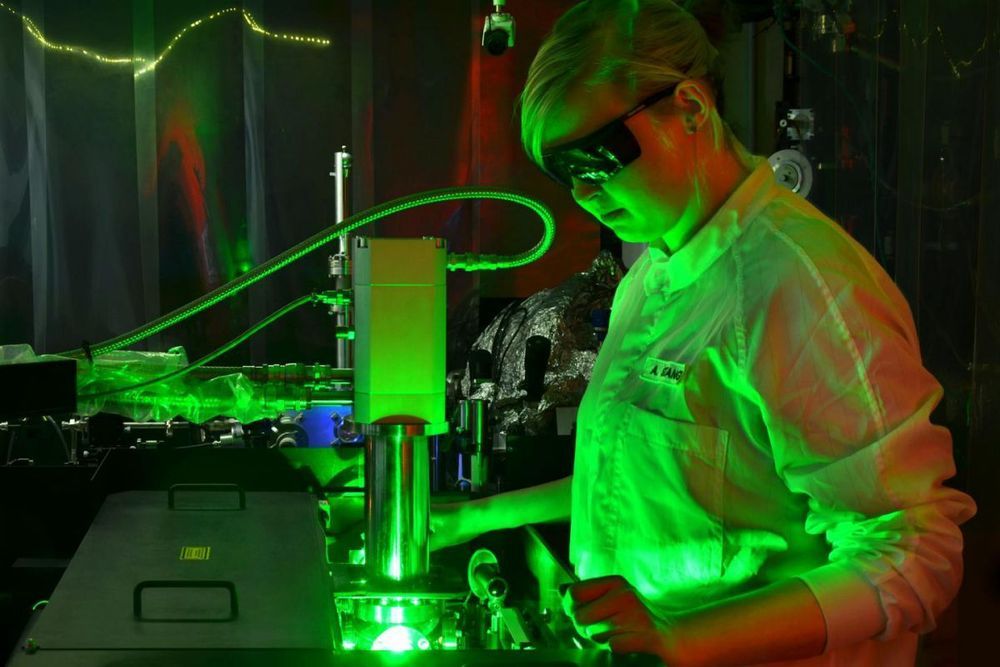
Amazing bicycle reaches speeds above 85MPH using only human power.


Researchers from Scripps Research have discovered how the proteasome, which is made of protein complexes in the cell that breaks down damaged and unwanted proteins, converts energy into motion to unfold target proteins for recycling.
What is the proteasome?
The proteasome is a protein complex whose job is to break down and recycle proteins that have become damaged or are no longer required. It achieves this via a process called proteolysis, a chemical reaction that breaks the peptide bonds, thus allowing the target protein to be destroyed and broken down into its constituent parts, which become ready to be reused to make new proteins. The enzymes that facilitate this recycling process are known as proteases.


Scientists mapping out the quantum characteristics of superconductors—materials that conduct electricity with no energy loss—have entered a new regime. Using newly connected tools named OASIS at the U.S. Department of Energy’s Brookhaven National Laboratory, they’ve uncovered previously inaccessible details of the “phase diagram” of one of the most commonly studied “high-temperature” superconductors. The newly mapped data includes signals of what happens when superconductivity vanishes.
[Editor’s Note: Mad Scientist Laboratory is pleased to publish the following post by returning guest blogger and proclaimed Mad Scientist Ms. Marie Murphy, addressing Directed Energy Weapon (DEW) applications in space, and their potential impact on Multi-Domain Operations (MDO) in the Future Operational Environment.]
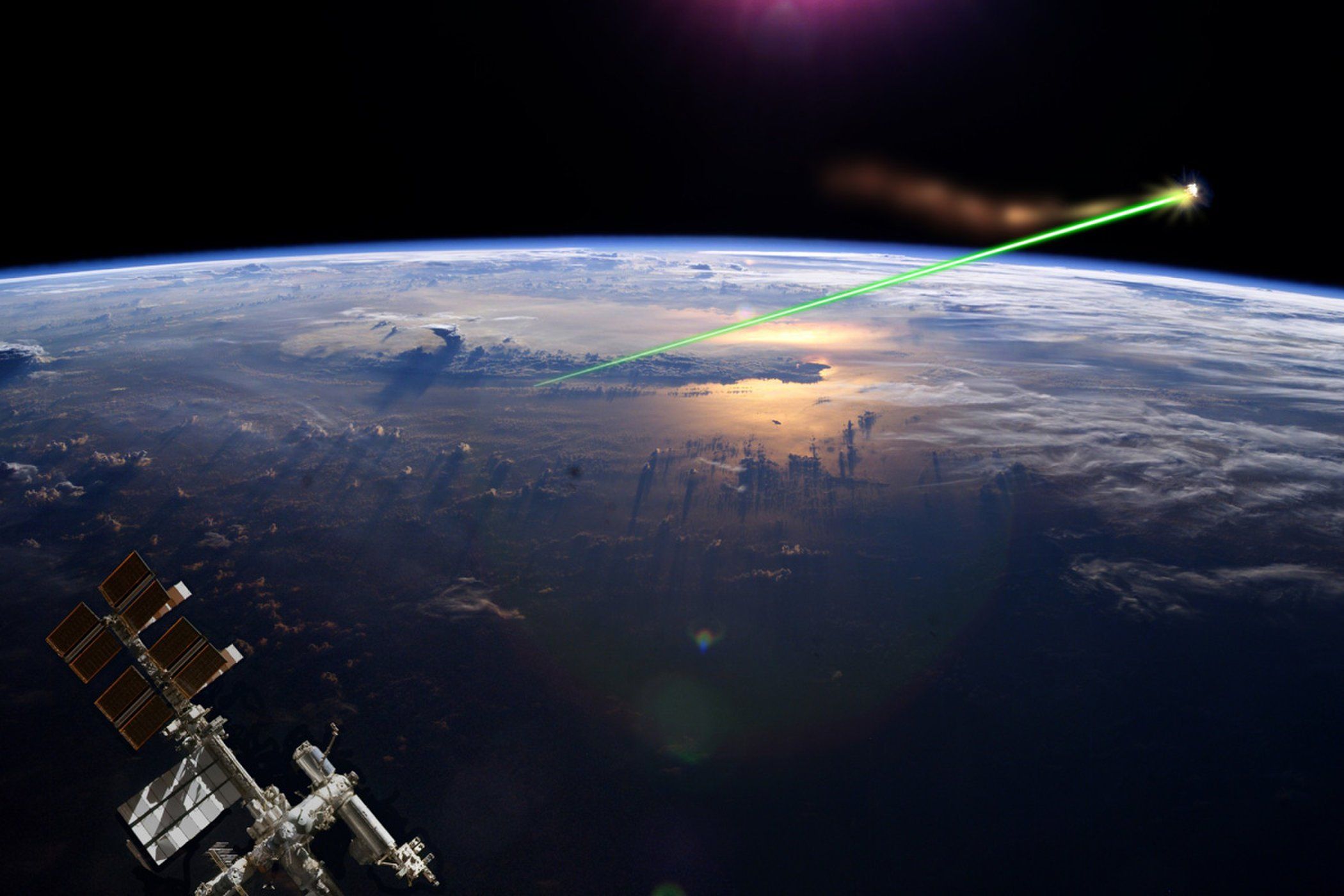
The image of the “space war” is ubiquitous from popular Cold War and contemporary renderings: fast attack fighters equipped with laser cannons, swooping in to engage the enemy fleet in an outer space dogfight, culminating with the cataclysmic explosion of the enemy’s dreadnought. The use of directed energy in this scenario, while making for good entertainment, is a far cry from the practical applications of directed energy in space out to 2050. Taking a step back from the thrilling future possibilities of space combat, it is important to note that it is not a question of when lasers will be put into space — they already have been. What is uncertain is the speed at which lasers and other forms of directed energy will be weaponized, and when these capabilities will be used to extend conflict into the physical domain of low-earth orbit and outer space.
Since 2003, NASA has used a laser mounted on a satellite to measure ice sheets and conduct other environmental studies and mapping. This mission involved the constant emission of a green laser, split into six beams, reflecting off polar ice and returning photons to the satellite. NASA is presently exploring the use of lasers for communications, a technology with abundant military applications. One such program, undertaken jointly by NASA and private industry, is the use of optical, or laser, communications between space assets and ground stations on Earth. These optical transmissions have the benefit of allowing the communication.