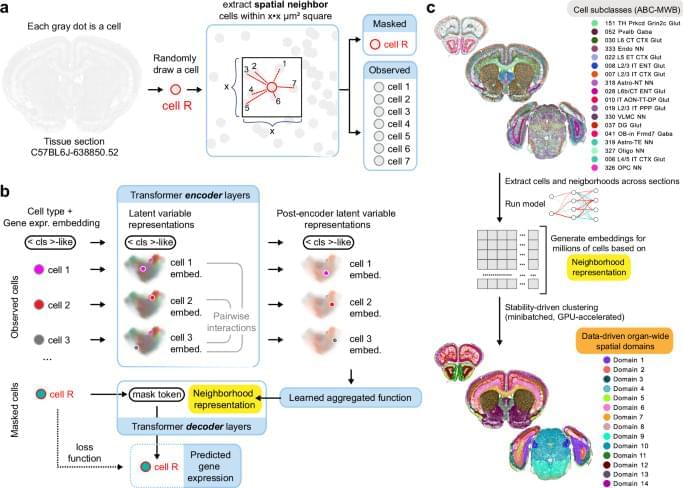
Defining the spatial organization of tissues and organs like the brain from large datasets is a major challenge. Here, authors introduce CellTransformer, an AI tool that defines spatial domains in the mouse brain based on spatial transcriptomics, a technology that measures which genes are active in different parts of tissue.
Category: biotech/medical – Page 650
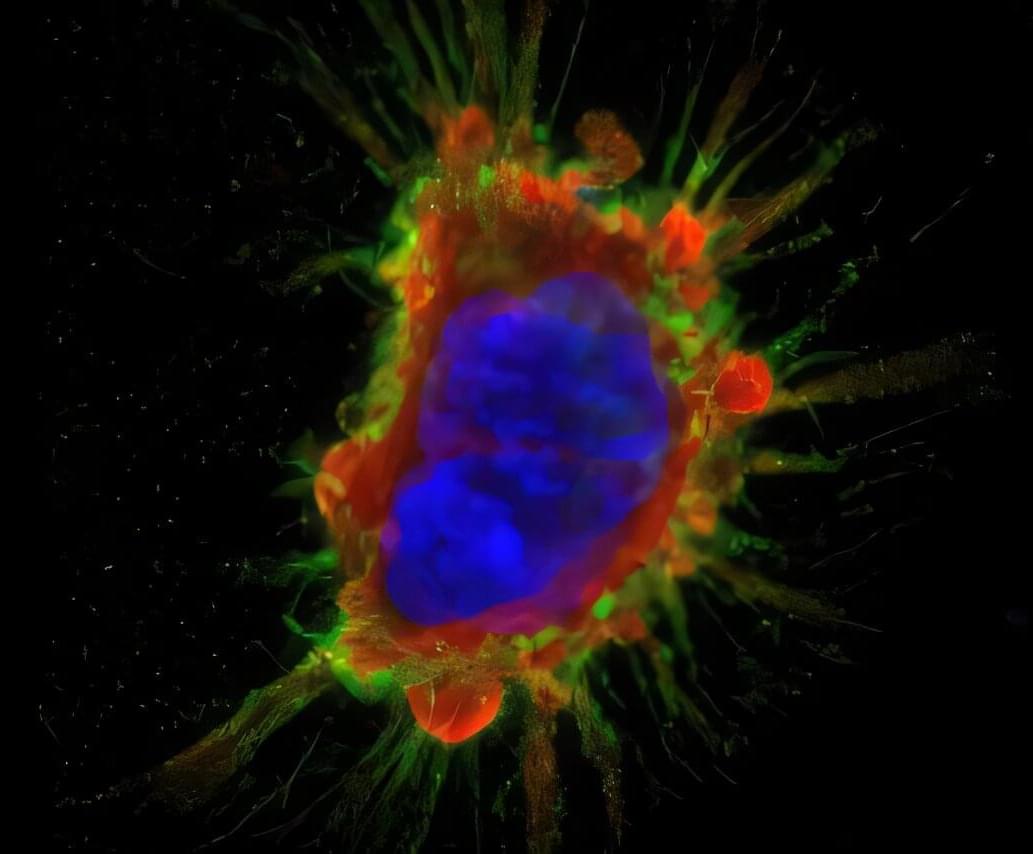
A radiotheranostic approach designed to combat aggressive cancers
UCLA scientists, together with a team of international collaborators, have identified a promising new treatment strategy that can detect, kill and reprogram aggressive, treatment-resistant tumors like osteosarcomas and glioblastoma.
The findings, published in the journal Signal Transduction and Targeted Therapy, describe a novel approach that uses a specially engineered antibody, called DUNP19, to target a protein called LRRC15 that is found on the surface of certain aggressive cancer cells and the supportive stroma cells surrounding them. By pairing the antibody with radioactive particles, scientists can both visualize tumors for precise imaging and deliver targeted radiation therapy directly to cancerous tissue, while sparing healthy tissues.
When tested in mice, the LRRC15-targeted radionuclide therapy effectively slowed tumor growth, extended survival, and altered the tumor microenvironment to make it more receptive to an immune attack.
Rethinking Alzheimer’s: Why this common gene variant is bad for your brain
The suspected causes of Alzheimer’s disease are diverse, and its cures are, today, nonexistent.
What’s all but certain is that many who today have the mental chops to wade through a detailed article about the disorder’s drivers and demographics will nevertheless succumb to it someday.
With no cure available, despite numerous attempts to find one, researchers are looking down new roads for treatments. A recent discovery by Stanford Medicine neurologist Mike Greicius, MD, may help clear one of those roads for faster passage.
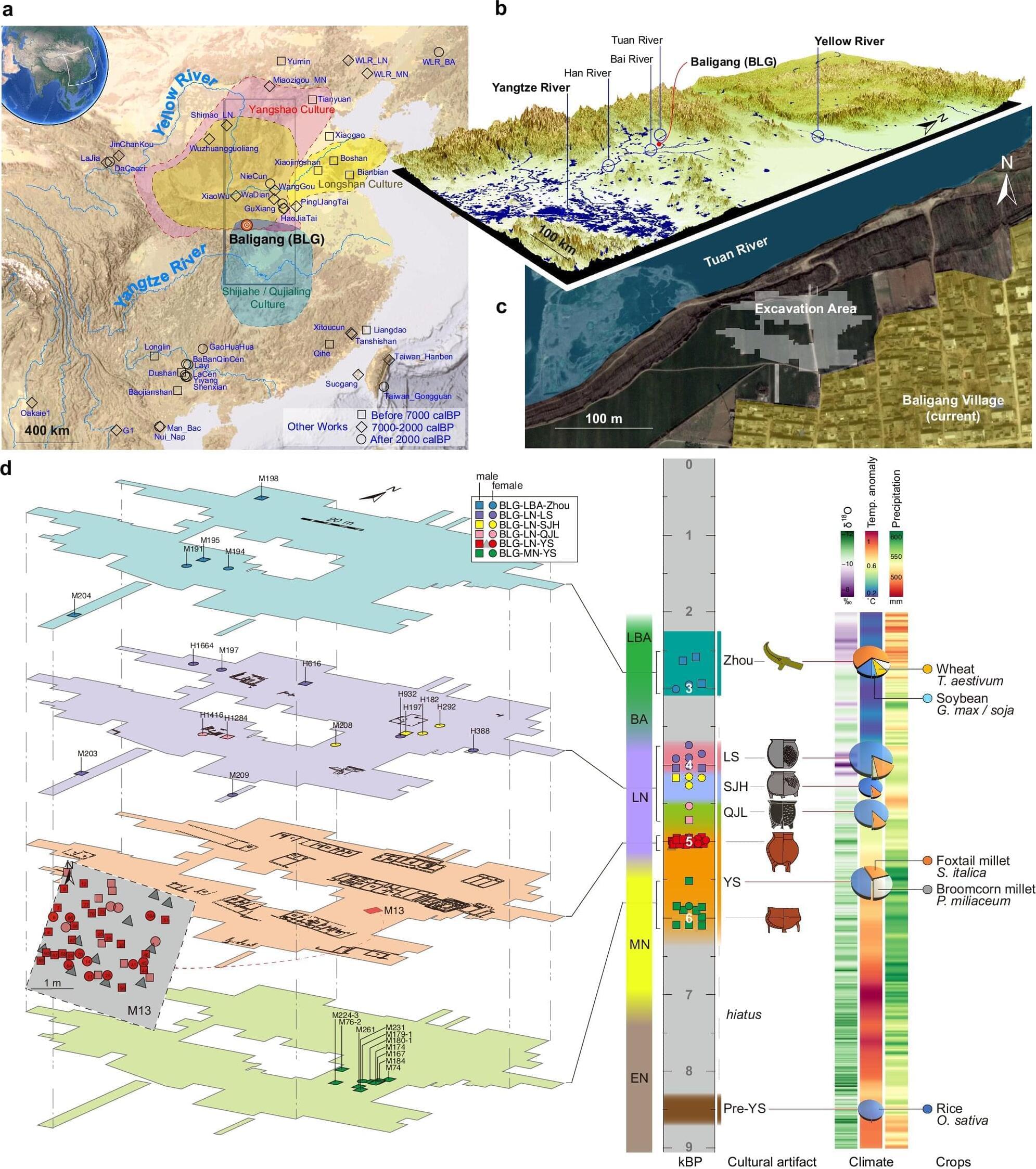
Ancient DNA reveals prehistoric connections and a patrilineal society in early China
Scientists from Peking University have uncovered new genetic evidence that sheds light on how prehistoric people in China interacted, migrated, and built their communities. Led by Professors Huang Yanyi and Pang Yuhong from the Biomedical Pioneering Innovation Center (BIOPIC), the research reveals the first direct genetic proof of a patrilineal social system in Neolithic China.
The study, conducted in collaboration with Yunnan University and Minzu University of China, was published in Nature Communications on September 30, 2025.
The story of Chinese civilization begins along two great rivers: the Yellow River, known for its millet-farming cultures, and the Yangtze River, home to early rice agriculture. How people in these regions exchanged ideas, adapted to environmental shifts, and shaped early societies has long fascinated archaeologists and historians.
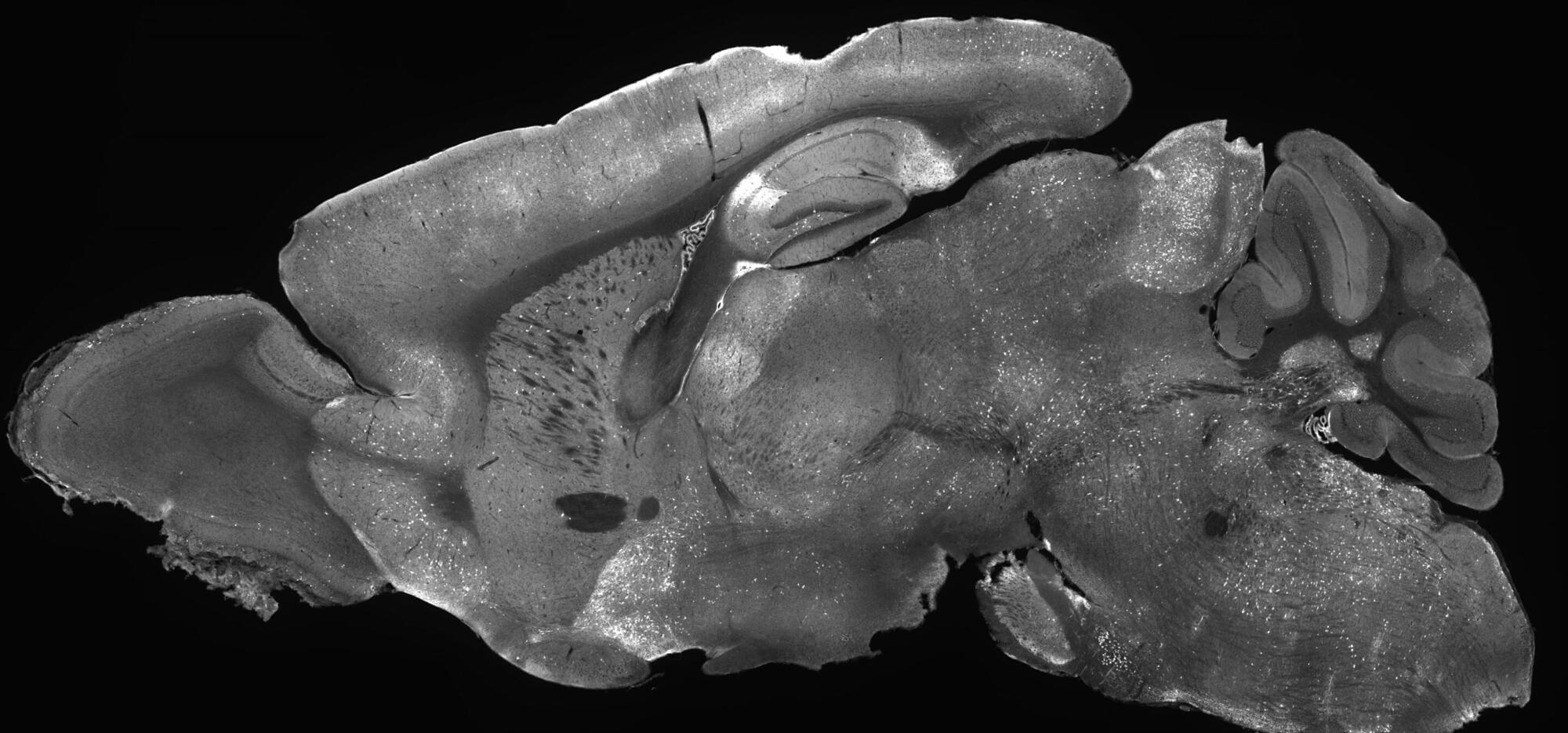
Scientists fix genetic defect in mice tied to brain disorders that include autism and epilepsy
In an exciting scientific first, researchers at the Allen Institute successfully designed a new gene therapy that reversed symptoms related to SYNGAP1-related disorders (SRD) in mice. These are a class of brain disorders that can lead to severe and debilitating symptoms including intellectual disability, epilepsy, motor problems, and risk-taking behaviors in humans. In most cases, SRDs are caused when someone has only one working copy of the SYNGAP1 gene instead of the normal two.
The findings, recently published in the journal Molecular Therapy, represent the first successful gene supplementation therapy for SRDs in which an adeno associate virus (AAV) was used to deliver a working copy of the SYNGAP1 gene into brain cells. AAVs are non-replicating viruses that act like delivery trucks carrying therapeutic cargo, in this case the SYNGAP1 gene, into cells that need it.
“Gene supplementation is providing a functional new copy of a defective gene, a strategy that has great potential for correcting diseases where a gene is completely missing or where a single copy of a gene is lost,” said Boaz Levi, Ph.D., associate investigator at the Allen Institute and senior author of the study. “This provides a clear demonstration that SYNGAP1-related disorders can be treated with a neuron-specific gene supplementation strategy. It’s an important milestone for the field that provides hope for those who suffer from this class of severe neurological diseases.”

Nanoparticle vaccine prevents multiple cancers and stops metastasis in mice
A study led by University of Massachusetts Amherst researchers demonstrates that their nanoparticle-based vaccine can effectively prevent melanoma, pancreatic and triple-negative breast cancer in mice. Not only did up to 88% of the vaccinated mice remain tumor-free (depending on the cancer), but the vaccine reduced—and in some cases completely prevented—the cancer’s spread.
The study is published in Cell Reports Medicine.
“By engineering these nanoparticles to activate the immune system via multi-pathway activation that combines with cancer-specific antigens, we can prevent tumor growth with remarkable survival rates,” says Prabhani Atukorale, assistant professor of biomedical engineering in the Riccio College of Engineering at UMass Amherst and corresponding author on the paper.
Bird flu persists in raw milk cheese, study demonstrates
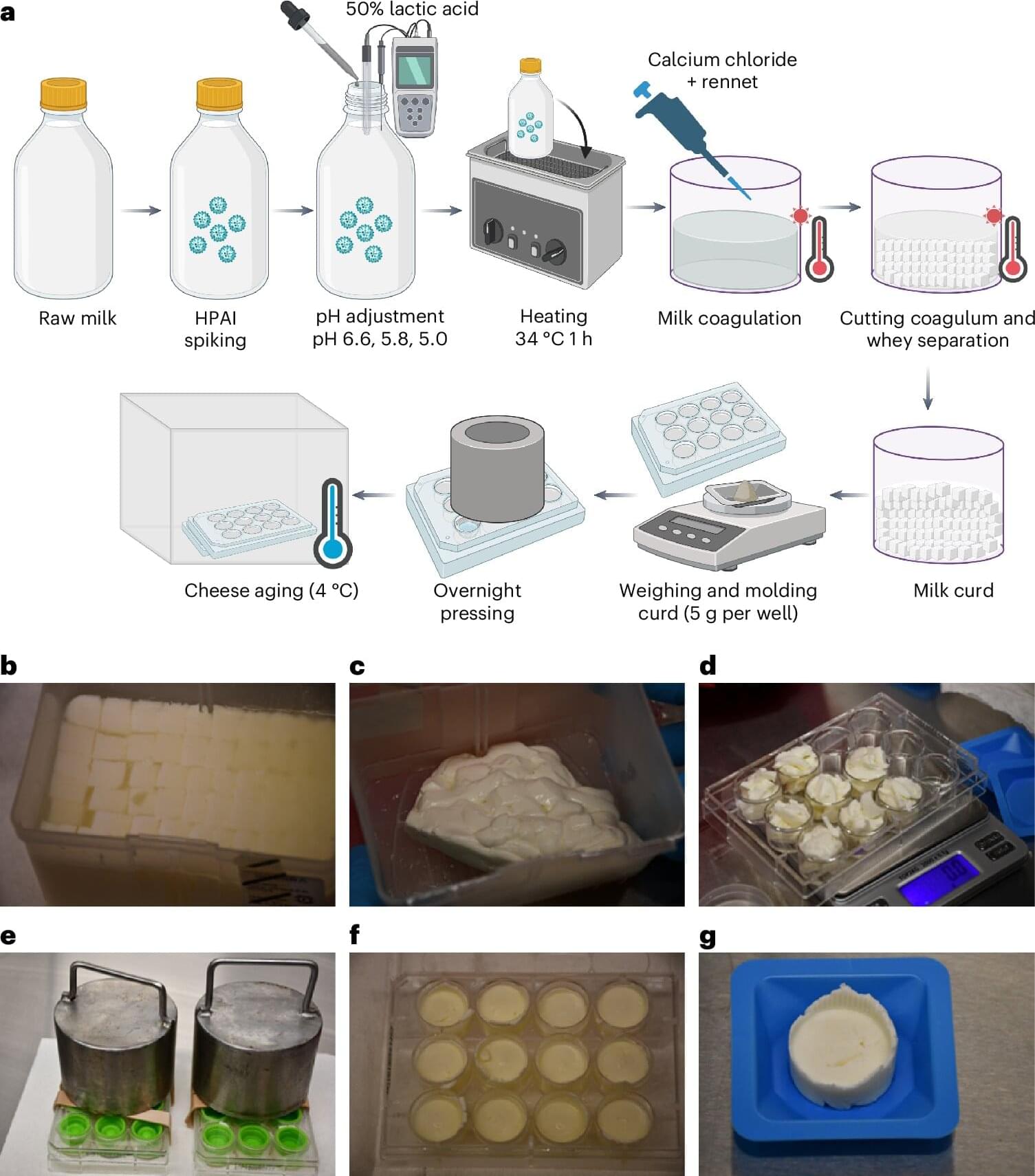
Raw milk cheese products contained infectious avian influenza virus when made with contaminated raw milk, creating potential health risks for consumers, according to a new study.
At the same time, no virus was detected in test samples of highly acidic raw milk cheese. Feta cheese is an example of a more acidic variety.
The study is published in Nature Medicine.
Novel immunotherapy combination destroys colorectal liver metastases
Advanced colon cancer is the leading cause of cancer-related death in young American men and the second highest worldwide. In the majority of these patients, as the cancer advances it metastasizes to the liver. Despite progress in surgical therapies aimed at eradicating the cancer, many of these patients will have tumor recurrence in the liver.
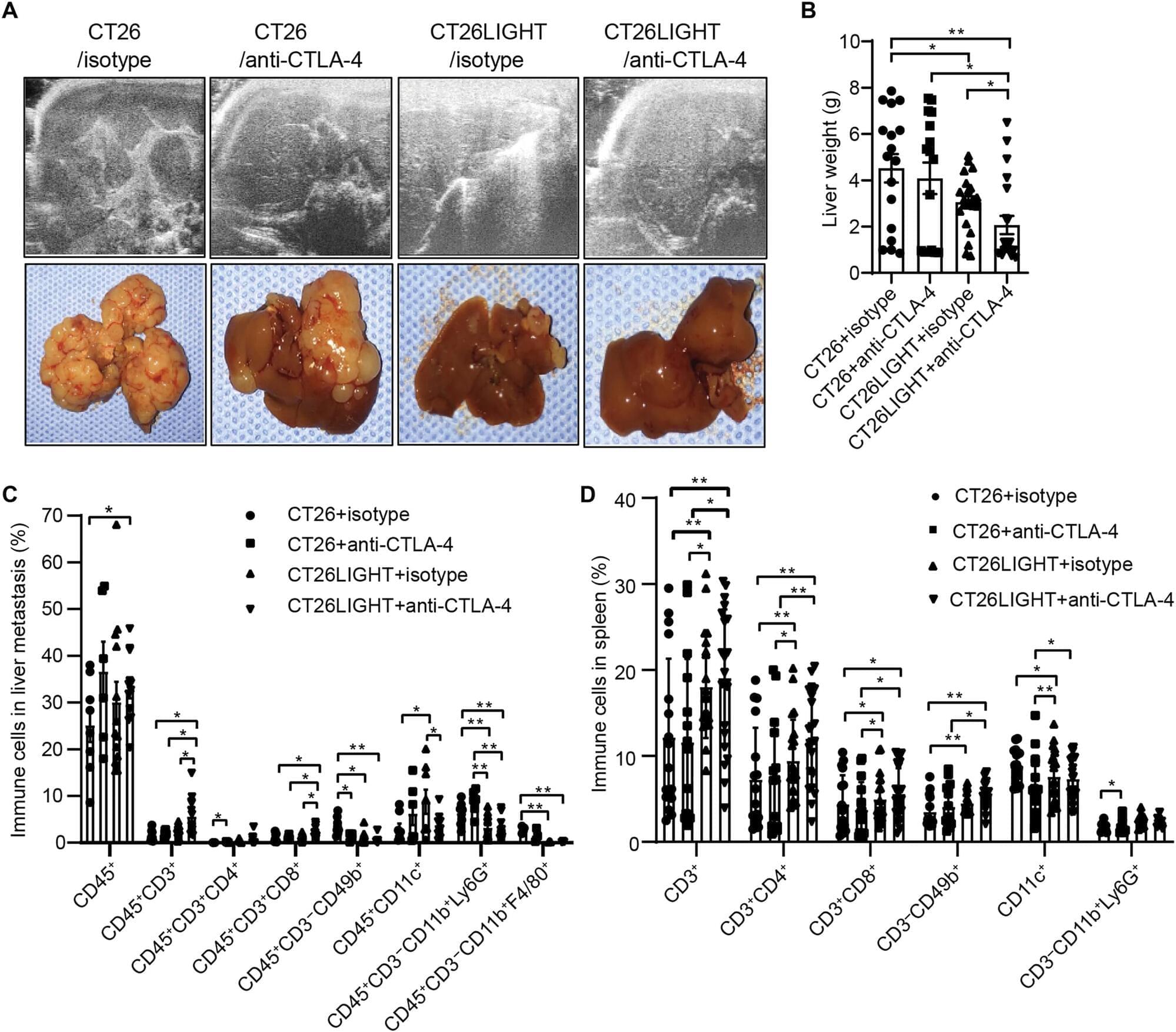
Now, researchers from UC San Francisco (UCSF), have discovered that a novel combination of immunotherapies can reprogram the immune environment of colon cancer tumors that spread to the liver. In preclinical models, this therapy often eliminated tumors entirely, offering a potential new path for treating patients with advanced colorectal cancer.
Their study appears in Science Advances.
Dr. Leonard Petrucelli, PhD — Mayo Clinic — Strategies For Complicated Neurodegenerative Disorders
Strategies For Complicated Neurodegenerative Disorders — Dr. Leonard Petrucelli, PhD — Neurodegenerative Diseases Laboratory, Department of Neuroscience, Mayo Clinic.
Scientists are collecting toenail clippings to reveal radon exposure and lung cancer risk
At 47 years of age, Emi Bossio was feeling good about where she was. She had a successful law practice, two growing children and good health. Then she developed a nagging cough. The diagnosis to come would take her breath away.
“I never smoked, never. I ate nutritiously and stayed fit. I thought to myself, I can’t have lung cancer,” says Bossio. “It was super shocking. A cataclysmic moment. There are no words to describe it.”
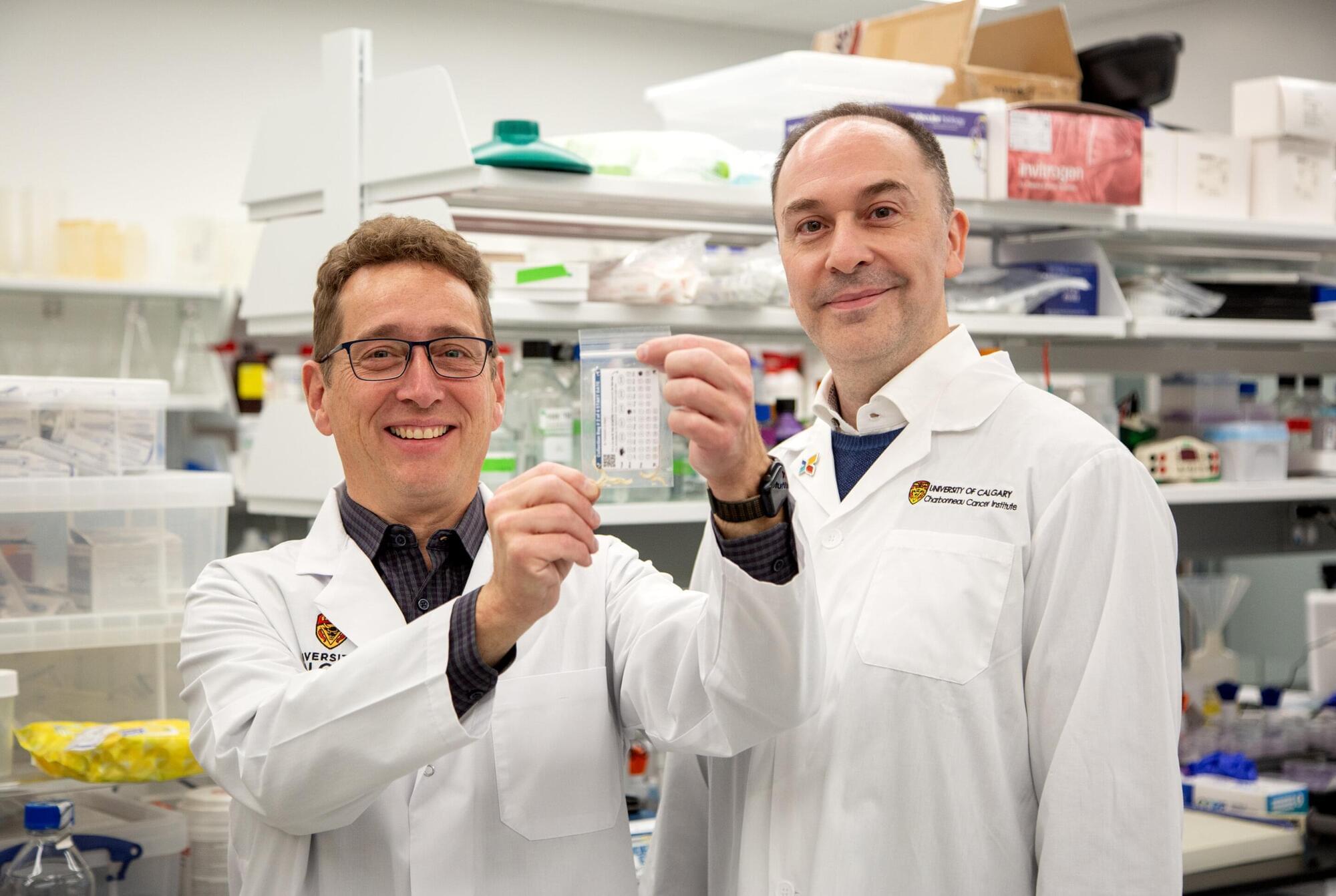
Bossio had to give up her law practice to focus on treatment and healing. As part of that journey, she’s taken on a new role as an advocate to increase awareness about lung cancer. She still has no idea what caused her lung cancer. Trying to answer that question is how Bossio became interested in the research Dr. Aaron Goodarzi, Ph.D., is doing at the University of Calgary.