Toggle light / dark theme

Combined organ-specific mRNA and lipid nanoparticle therapy could repair damaged lungs

A combination of mRNA and a new lipid nanoparticle could help heal damaged lungs, according to new research from the Perelman School of Medicine at the University of Pennsylvania. Viruses, physical trauma, or other problems can have a serious impact on the lungs, and when the damage is in the lower regions, traditional treatments, like inhaled medication, might not work. The study, published in Nature Communications, provides a proof of concept for an injectable therapy.

“The lungs are hard-to-treat organs because both permanent and temporary damage often happen in the deeper regions where medication does not easily reach,” said study author Elena Atochina-Vasserman, MD, Ph.D., research assistant professor of Infectious Diseases at Penn and scientist at the Penn Institute for RNA Innovation. “Even drugs delivered intravenously are spread without specificity. That makes a targeted approach like ours especially valuable.”

Lung damage can result from a variety of causes ranging from physical accidents that cause inflammation of the lungs to like COVID, flu, and RSV. Viruses alone can usher in an setting off a buildup of fluid in the airways, excess mucus, , and damage to the lining of the lungs. Whether acute or chronic, weakened lungs can be life threatening. Respiratory diseases were the third leading cause of death worldwide even before the pandemic, according to previous research.

Combining systemic and local osteoporosis treatments: A longitudinal in vivo microCT study in ovariectomized rats

Scientists have created a hydrogel that strengthens bones in weeks. Bone density increased by 5X in a lab.

A groundbreaking injectable hydrogel may soon offer a faster, more effective treatment for osteoporosis, a condition that weakens bones and increases fracture risk.

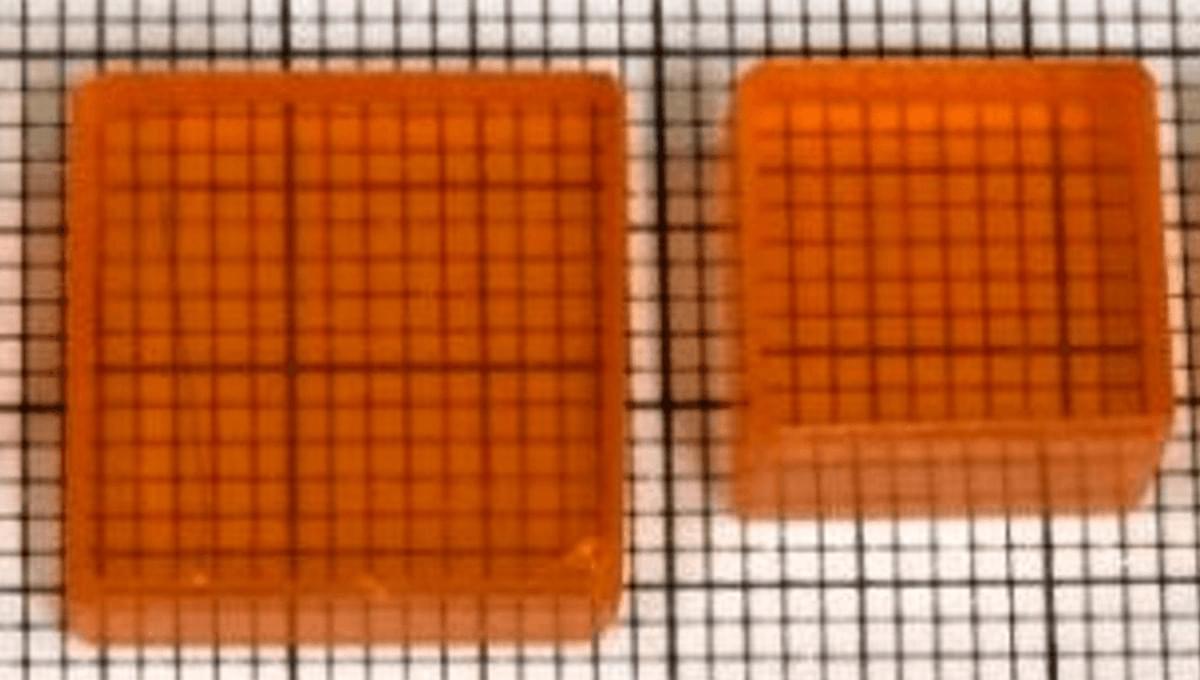
Developed by researchers at EPFL in Switzerland and startup Flowbone, this new hydrogel, made from hyaluronic acid and hydroxyapatite nanoparticles, mimics bone’s natural minerals and strengthens fragile areas. In lab tests on rats, the treatment increased bone density by up to three times within weeks. When combined with the osteoporosis drug Zoledronate, bone density at the injection site increased nearly fivefold, potentially reducing the risk of fractures far more quickly than current medications.

While the hydrogel is not a permanent fix, researchers believe it could revolutionize osteoporosis management by complementing existing drug therapies and speeding up recovery. Given that osteoporosis affects millions worldwide—especially postmenopausal women—this breakthrough could significantly lower the risk of life-threatening fractures. The team now aims to secure regulatory approval and begin clinical trials, bringing this promising technology one step closer to real-world use. If successful, it could redefine how osteoporosis is treated, offering patients faster relief and stronger bones.


Managing osteoporotic patients at immediate fracture risk is challenging, in part due to the slow and localized effects of anti-osteoporotic drugs. Combining systemic anti-osteoporotic therapies with local bone augmentation techniques offers a promising strategy, but little is known about potential interactions. We hypothesized that integrating systemic treatments with local bone-strengthening biomaterials would have an additive effect on bone density and structure. This study investigated interactions and synergies between systemic therapies and injectable biomaterials, HA2 and HA2-ZOL, designed for local bone strengthening. HA2-ZOL incorporates Zoledronate, a bisphosphonate, to enhance anti-resorptive effects. These materials were tested in an in vivo rat model of osteoporosis using microCT and histology.

Thirty-six ovariectomized Wistar rats were treated systemically with vehicle (VEH), alendronate (ALN), or parathyroid hormone (PTH). One week later, their tibiae were randomly assigned to local treatment groups: HA2, HA2-ZOL, or NaCl control. Bilateral injections targeted metaphyseal trabecular bone, with microCT scans tracking changes over 8 weeks. Regions of interest (ROIs) were identified and analyzed for bone volume fraction (BV/TV), tissue mineral density (TMD), and trabecular morphology. Histological analyses were performed at week 8 to assess bone structure and mineral inclusions.

Inside the new baby-boom movement that’s taken hold of Silicon Valley — complete with gene editing and artificial wombs

Silicon Valley elites are quietly appointing themselves ancestors of the future.

As American fertility rates continue to hit record lows — well below the “replacement rate” from one generation to the next — the pronatalism movement has found a foothold in the tech world.

Elon Musk — who apparently now has 13 children — has openly endorsed the movement, which believes in pumping out babies to fight societal collapse. OpenAI CEO Sam Altman has said, “Of course I’m going to have a big family” and is investing in experimental fertility technology.

Genetic regulation of TERT splicing affects cancer risk by altering cellular longevity and replicative potential

Several multi-cancer GWAS loci within the region encoding telomerase reverse transcriptase (TERT) have been identified. Here, the authors explore the locus within TERT intron 4, link it with a variable number tandem repeat (VNTR), and investigate its biological significance and role in cancer.

Innovative Microscopy Tool Provides a New Way To See What Lies Between Cells

Scientists have developed Rhobo6, a light microscopy probe that reveals extracellular matrix structures in live tissues, advancing biological research and disease diagnostics.

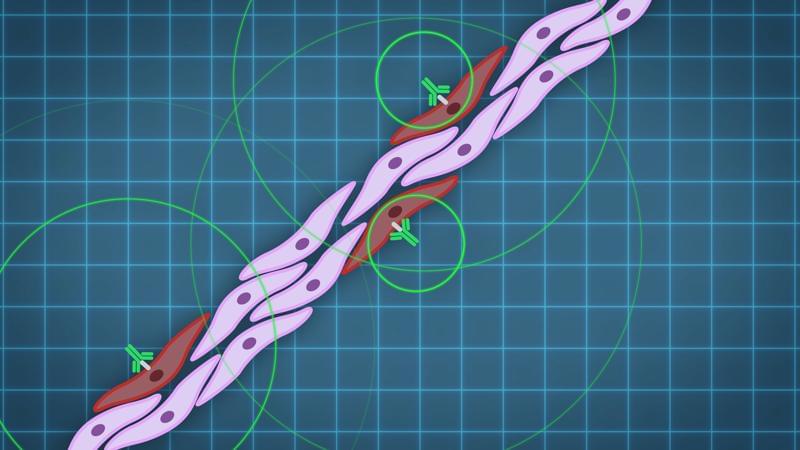
Rhobo6 is a light microscopy probe that selectively binds to extracellular matrix glycans, increasing its fluorescence and allowing clear visualization of these structures in live tissues. This innovative tool enables researchers to study the extracellular matrix in detail without disrupting native biological processes, offering new insights into tissue biology and disease.

Before arriving at Janelia three years ago, Postdoctoral Scientist Antonio Fiore was designing and building optical instruments like microscopes and spectrometers.

CARTA: The Biology of Hatred: Why Love Turns to Hatred and What We Can Do About It

Ancient texts warn of love turning into hatred, as seen in stories like Cain and Abel or “Et tu, Brute?” This talk explores the neurobiology of hatred based on the biology of love: the oxytocin system, attachment networks, and biobehavioral synchrony, which mature through mother-infant bonding and later support group solidarity and out-group hostility. Using this model, we developed Tools of Dialogue© for Israeli and Palestinian youth. After 8 sessions, participants showed reduced hostility, increased empathy, hormonal changes (lower cortisol, higher oxytocin), and lasting attitudes of compromise. Seven years later, these changes supported their peacebuilding efforts, showing how social synchrony can transform hatred into reciprocity and cooperation. Recorded on 02/14/2025. [Show ID: 40386]

Donate to UCTV to support informative & inspiring programming:
https://www.uctv.tv/donate.

Learn more about anthropogeny on CARTA’s website:
https://carta.anthropogeny.org/

Explore More Humanities on UCTV
(https://www.uctv.tv/humanities)
The humanities encourage us to think creatively and explore questions about our world. UCTV explores human culture through literature, history, ethics, philosophy, cinema and religion so we can better understand the human experience.

Explore More Science & Technology on UCTV
(https://www.uctv.tv/science)
Science and technology continue to change our lives. University of California scientists are tackling the important questions like climate change, evolution, oceanography, neuroscience and the potential of stem cells.

UCTV is the broadcast and online media platform of the University of California, featuring programming from its ten campuses, three national labs and affiliated research institutions. UCTV explores a broad spectrum of subjects for a general audience, including science, health and medicine, public affairs, humanities, arts and music, business, education, and agriculture. Launched in January 2000, UCTV embraces the core missions of the University of California — teaching, research, and public service – by providing quality, in-depth television far beyond the campus borders to inquisitive viewers around the world.

Behavioural Genetics: DNA & Individual Differences | Robert Plomin | The Socratic Sessions | Ep #28

🔍 Overview: Join Robert Plomin and me as we dive deep into the fascinating world of behavioural genetics, exploring how our DNA shapes who we are, the power of environment, and whether we can rewrite our genetic destiny.

🤝 Support The Show 🤘
Locals: https://samueldevis.locals.com/
PayPal: https://www.paypal.com/paypalme/samuehttps://www.blockchain.com/explorer/a… 🗣️ Highlights [Highlight 1]: How Does Genetics Shape Who We Are? [Highlight 2]: What Role Does the Environment Truly Play in Defining Us? [Highlight 3]: Are We Hardwired by Our DNA, or Can We Rewrite Our Destiny? 🕒 Timestamps 0:00 — Introduction 1:57 — Robert Plomin, Philosophy and Psychology 4:12 — Why Behavioural Genetics? 8:21 — Publishing Blueprint 14:51 — Heritability 30:15 — The Basics of DNA 34:34 — Genetic Variances and Binary Myths 41:21 — Labels and Certificates 45:33 — Nonshared Environments and The Nature of Nurture 1:00:51 — Self-Selecting Within Environments 1:07:04 — Group Difference and Heritability 1:13:03 — Academic Success: DNA vs. Schooling 1:21:17 — Ethical Considerations 1:27:01 — Moral Responsibility and Accountability 1:31:23 — The Future of Genetics 1:42:38 — Genetic Trajectories and Random Events 1:45:17 — The DNA Revolution 1:48:21 — Closing Remarks 📚 Episode Resources (affiliate links where possible — thanks!) Blueprint: How DNA Makes Us Who We Are by Robert Plomin: https://amzn.to/3T9htYp King’s College London: https://www.kcl.ac.uk/people/robert-p… Common Disorders are Quantitative Traits by Robert Plomin: https://pubmed.ncbi.nlm.nih.gov/19859… Gattaca (1997): https://www.imdb.com/title/tt0119177/ 🌐 Connect Linktree: https://linktr.ee/samueldevis89 Substack: https://thesocraticsessions.substack… Twitter: / samueldevis89 Facebook Page: / thesocraticsessions Instagram: / samueldevis89 Goodreads: / samuel-devis Bluesky: https://bsky.app/profile/samueldevis8… Threads: https://www.threads.net/@samueldevis89 LinkedIn Page: / thesocraticsessions 🎧 Subscribe 📺 YouTube: / @samueldevis89 Rumble: https://rumble.com/c/SamuelDevis89 Apple Podcasts: https://podcasts.apple.com/us/podcast… Spotify: https://open.spotify.com/show/6lOdYbN… Audible: https://www.audible.co.uk/pd/The-Socr… Amazon Music: https://music.amazon.co.uk/podcasts/3… Other Podcast Platforms: https://podcasters.spotify.com/pod/sh… 📷 Gear (affiliate links — thanks!) Camera (Sony A6400): https://amzn.to/46jehNn Lens (Sigma 16mm): https://amzn.to/47DfiRn Audio Interface (Focusrite Scarlett 4i4): https://amzn.to/47lJzEP Microphone Amplifier (Cloudlifter CL-1): https://amzn.to/3uou7Jq Mic (RØDE PodMic): https://amzn.to/3sJFUBE Lights (Elgato Key Light Air): https://amzn.to/3TZMgYX Colour Back Lighting (Govee LED Floor Lamp): https://amzn.to/47EGSOf Recording Software (Riverside. FM): https://www.tinyurl.com/riversidesam89 👍 Support: Like, subscribe, and share to fuel the quest for understanding. 🔔 Stay Tuned: Tap the bell for instant notifications. 📣 Join the Talk: Share your thoughts using #TheSocraticSessions. 🚀 Thanks for Tuning In! Let’s keep the conversation going. #genetics #nature #nurture #dna #heritability #genome #biology #philosophy.
Bitcoin: https://www.blockchain.com/explorer/a

🗣️ Highlights.
[Highlight 1]: How Does Genetics Shape Who We Are?
[Highlight 2]: What Role Does the Environment Truly Play in Defining Us?
[Highlight 3]: Are We Hardwired by Our DNA, or Can We Rewrite Our Destiny?

🕒 Timestamps.
0:00 — Introduction.
1:57 — Robert Plomin, Philosophy and Psychology.
4:12 — Why Behavioural Genetics?
8:21 — Publishing Blueprint.
14:51 — Heritability.
30:15 — The Basics of DNA
34:34 — Genetic Variances and Binary Myths.
41:21 — Labels and Certificates.
45:33 — Nonshared Environments and The Nature of Nurture.
1:00:51 — Self-Selecting Within Environments.
1:07:04 — Group Difference and Heritability.
1:13:03 — Academic Success: DNA vs. Schooling.
1:21:17 — Ethical Considerations.
1:27:01 — Moral Responsibility and Accountability.
1:31:23 — The Future of Genetics.
1:42:38 — Genetic Trajectories and Random Events.
1:45:17 — The DNA Revolution.
1:48:21 — Closing Remarks.

📚 Episode Resources (affiliate links where possible — thanks!)
Blueprint: How DNA Makes Us Who We Are by Robert Plomin: https://amzn.to/3T9htYp.
King’s College London: https://www.kcl.ac.uk/people/robert-p
Common Disorders are Quantitative Traits by Robert Plomin: https://pubmed.ncbi.nlm.nih.gov/19859
Gattaca (1997): https://www.imdb.com/title/tt0119177/

🌐 Connect.

/* */