Toggle light / dark theme

3D Printing Skin Cells on Burn Wounds

How can we turn this into a small handheld device 3D printer so it is portable for doctors without boarders, EMS units, battlefiled surgeons, and eventually part of our own medicine kits for home some day. We can make it happen.


During phase I of AFIRM, WFIRM scientists designed, built and tested a printer designed to print skin cells onto burn wounds. The “ink” is actually different kinds of skin cells. A scanner is used to determine wound size and depth. Different kinds of skin cells are found at different depths. This data guides the printer as it applies layers of the correct type of cells to cover the wound. You only need a patch of skin one-tenth the size of the burn to grow enough skin cells for skin printing.

During Phase II of AFIRM, the WFIRM team will explore whether a type of stem cell found in amniotic fluid and placenta (afterbirth) is effective at healing wounds. The goal of the project is to bring the technology to soldiers who need it within the next 5 years.
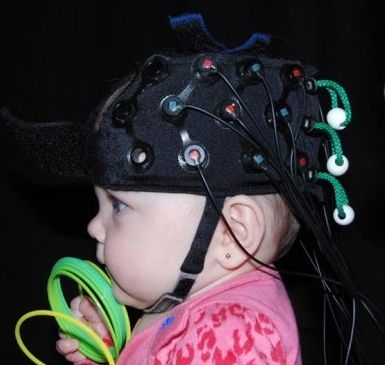

Premature babies don’t use sensory-prediction brain process that may be key to development

Babies born prematurely don’t use their expectations about the world to shape their brains as babies born at full term do, important evidence that this neural process is important to development.

The findings offer clues to the mystery of why otherwise healthy babies born prematurely face higher risk of developmental delays as they grow, according to researchers at Princeton University, the University of Rochester Medical Center and the University of Rochester.

Woman kept alive for six days with no lungs

A woman was kept alive with no lungs for six days while she waited for a transplant in April last year.

It is thought to be the first operation of its kind in the world and she was kept alive with a small, artificial lung.

Melissa Benoit, who lives in Canada, had developed life-threatening complications as a result of her cystic fibrosis.

The Ethics of Organoids: Scientists Weigh in on New Mini-Organs

Growing organs in the lab is an enduring sci-fi trope, but as stem cell technology brings it ever closer to reality, scientists are beginning to contemplate the ethics governing disembodied human tissue.

So-called organoids have now been created from gut, kidney, pancreas, liver and even brain tissue. Growing these mini-organs has been made possible by advances in stem cell technology and the development of 3D support matrices that allow cells to develop just like they would in vivo.

Unlike simple tissue cultures, they exhibit important structural and functional properties of organs, and many believe they could dramatically accelerate research into human development and disease.

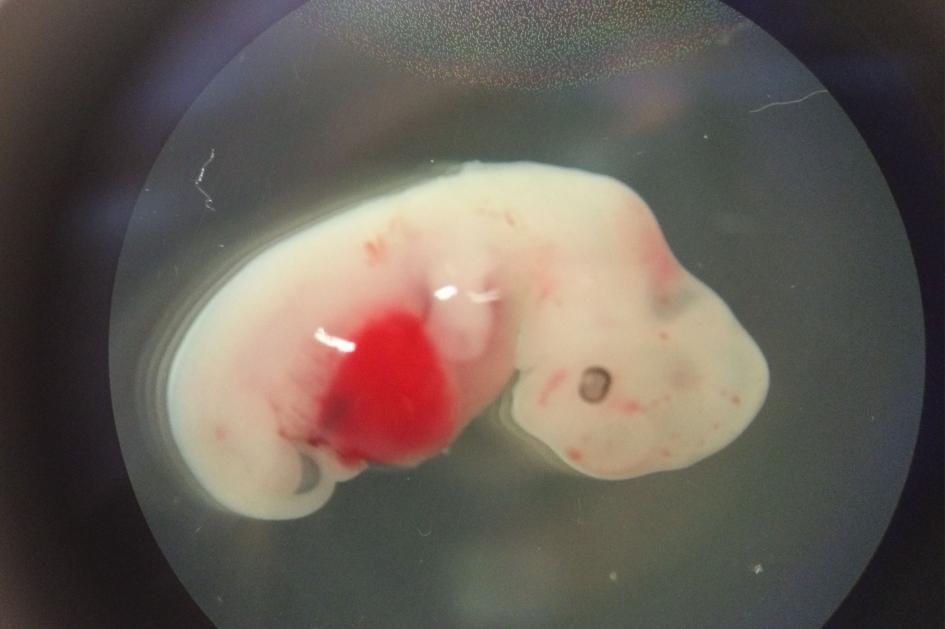
Human-Pig Hybrid Created in the Lab—Here Are the Facts

This biomedical advance has long been a dream and a quandary for scientists hoping to address a critical shortage of donor organs.

Every ten minutes, a person is added to the national waiting list for organ transplants. And every day, 22 people on that list die without the organ they need. What if, rather than relying on a generous donor, you could grow a custom organ inside an animal instead?

Forever Young? There’s Officially An Anti-Aging Pill For Dogs

In Brief:

  • A drug seems to be showing signs of reversing the effects of aging in dogs and mice. Studies are being conducted on the effectiveness in humans.
  • The drug has some major side effects linked to it and there is no guarantee it will be as effective in humans.

Aging is a spectre we all must face one day…but is this the way that it will always be? Medical researchers hope to delay or even reverse the onset of aging, and some are already claiming that they’ve made inroads to immortality.

Nanometric Imprinting on Fiber

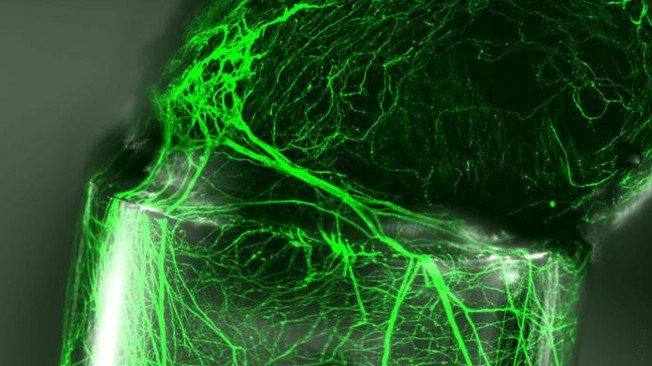
Researchers at EPFL’s Laboratory of Photonic Materials and Fibre Devices, which is run by Fabien Sorin, have come up with a simple and innovative technique for drawing or imprinting complex, nanometric patterns on hollow polymer fibers. Their work has been published in Advanced Functional Materials.

The potential applications of this breakthrough are numerous. The imprinted designs could be used to impart certain optical effects on a fiber or make it water-resistant. They could also guide stem–cell growth in textured fiber channels or be used to break down the fiber at a specific location and point in time in order to release drugs as part of a smart bandage.

IARPA launching two programs aimed at making fingerprints more reliable biometrics

Intelligence Advanced Research Projects Activity (IARPA), the intelligence community’s research arm, will soon launch two programs designed to detect fake fingerprints and develop devices to collect fingerprint data without the aid of a human operator, according to a report by GCN.

The Odin program, which is scheduled to begin with four prime developers in early March, will develop detection technologies that can spot presentation attacks on biometric devices that attempt to spoof physical biometric samples, said Chris Boehnen, senior program manager at IARPA.

Boehnen said that prosthetic fingers, fake fingerprints made with wood glue and other tactics can dupe current fingerprint sensors.

/* */