Toggle light / dark theme

Graphene Brain Implants May Help Patients Regain Sensory Functions And Control Motor Disorders

Graphene; the material for brain chip implants; however, Q-Dots ferrofluid is where it will make us totally rethink brain implants in the future.


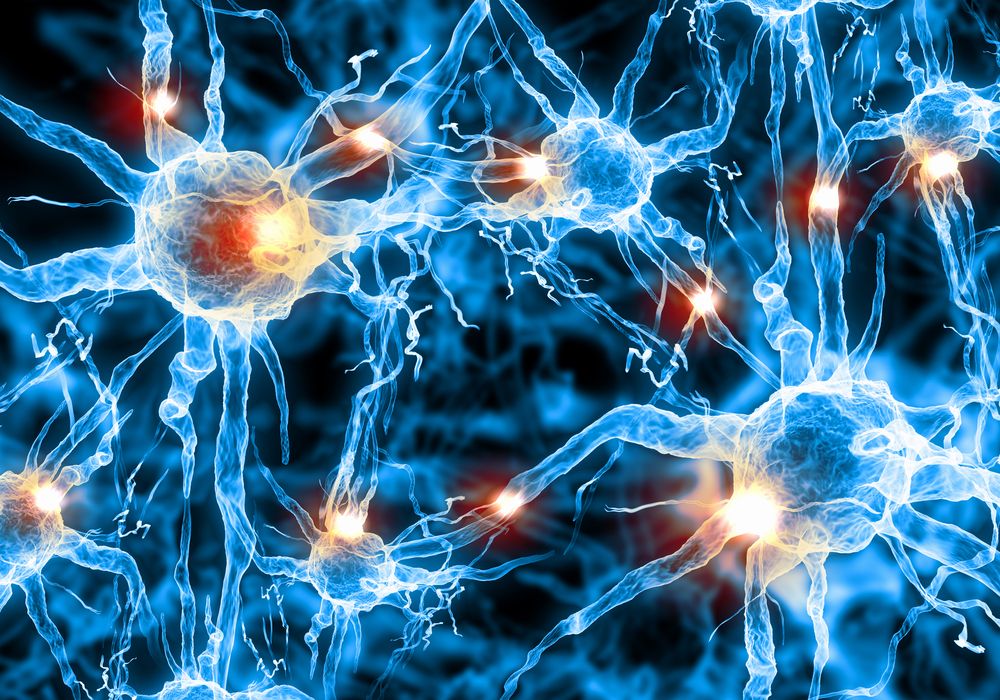
A new technology developed by researchers in Italy and the United Kingdom allows for the creation of graphene-based materials that can be interfaced with neurons without losing its electrical conductivity. This can lead to the creation of neural electrodes that are not only biocompatible, but stable within the body as well. (Photo : University of Cambridge)

Scientists from the United Kingdom and Italy have developed a new process in which a carbon form known as graphene is combined with neurons without sacrificing the integrity of these cells.

This revolutionary technology is believed to be a stepping stone for the creation of graphene-based electrodes, which can be implanted in the brain of people with motor disorders, such as Parkinson’s disease, in order to regain control of their damaged limbs.

Read more

Scientists have extended the lifespan of mice

A new study has shown that the lifespans of mice can be extended by up to 35 percent by simply clearing out senescent cells — defunct cells that stop dividing, accumulate in old age, and trigger inflammation in fat, muscle, and kidney tissues.

Not only did the mice experience significantly longer lifespans thanks to removal of these cells, but the treatment also delayed the onset of age-related disorders such as heart and kidney deterioration, and the development of cataracts and tumours.

“It’s not just that we’re making these mice live longer; they actually stay healthier longer too. That’s important, because if you were going to equate this to people, well, you don’t want to just extend the years of life that people are miserable or hospitalised,” one of the team, cell biologist Darren Barker from the Mayo Clinic College of Medicine, told William Herkewitz at Popular Mechanics.

Read more

Nootropic Drug Can Reverse And Prevent Cognitive Decline In Rats

Ampakines are known mental stimulants, but in rats they can also shelter the brain from age-related decline and even reverse deterioriation

A number of changes happen in the aging brain and one of these is a dendritic loss which onsets around middle age. In a new study, researchers have shown a particular drug belonging to the ampakine class of compounds, has significant neuroprotective properties.

Shielding the brain

Ampakines have already been shown to aid cognitive function in older rats, and they also appear to boost levels of BDNF, brain derived neurotrophic factor, which is associated with staving off neural decline. In the latest study using one such ampakine, older rat brains were compared to adolescent samples. While untreated rats had short dendrites and fewer dendritic branches, after 3 months of treatment older rat brains were identical to younger ones. If that wasn’t enough, they showed enhanced signalling and even had more dendritic spines than the adolescent rats did.

Read more

Do Computer Scientists Hold the Key to Treating Cancer?


By David Patterson Professor of Computer Science University of California, Berkeley This ancient assassin, first identified by a pharaoh’s physician, has been killing people for more than 4,600 years. As scientists found therapies for other lethal diseases–such as measles, influenza, and heart disease–cancer moved up this deadly list and will soon be #1; 40% of Americans will face cancer during their lifetimes, with half dying from it. Most of us ignore cancer until someone close is diagnosed, but instead society could zero in on this killer by recording massive data to discover better treatments before a loved one is in its crosshairs.

Cancer is unlimited cell growth caused by problems in DNA. Some people are born with precarious DNA, and others acquire it later. When a cell divides, sometimes it miscopies a small amount of its DNA, and these errors can overwhelm a cell’s defenses to cause cancer. Thus, you can get it without exposure to carcinogens. Cigarettes, radiation, asbestos, and so on simply increase the copy error rate. Speaking figuratively, every time a cell reproduces, we roll the dice on cancer, with such mutagens loading the dice to raise cancer’s chances.

Most cancer studies today use partial genomic information and have fewer than 1,000 patients. One wonders whether their conclusions would still hold if they used complete genomes and increased the number of patients by factors of 10–100.

Read more

Opportunities in Cancer Nanotechnology: A Conversation with NCI’s Dr. Piotr Grodzinski

Wonderful article on Nanotechnology and cancer with NCI’s Dr. Piotr Grodzinski. NCI established NCI’s with NCI’s Dr. Piotr Grodzinski. The article was published by declara.


Learn about Opportunities in Cancer Nanotechnology: A Conversation with NCI’s Dr. Piotr Grodzinski. Declara makes it easy to discover, share and organize knowledge. We empower individuals, organizations and countries to develop the knowledge needed to solve big problems.

Read more

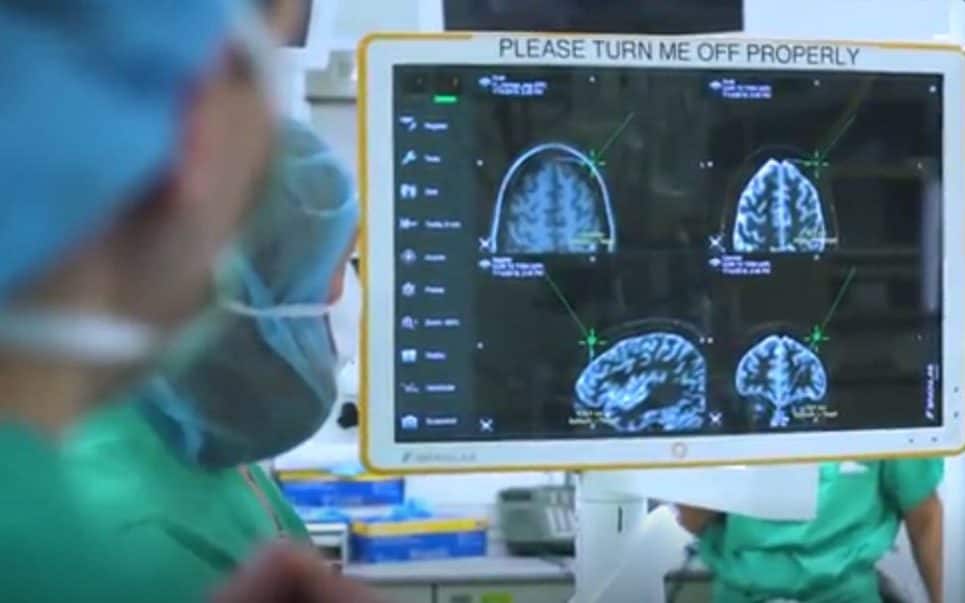
Robot drills electrodes into British teen’s brain, cures epilepsy

A British teenager has become the first child in the UK to be cured of epilepsy by a robot that drilled deep into his brain.

Billy Whitaker, 15, had suffered daily seizures for seven years until the operation two weeks ago, which medical experts are convinced has cured him.

The procedure used a £350,000 ($503,455) robot, practically the same as those used on car factory production lines, to drill electrodes into Whitaker’s brain.

Read more

2,000 year old ‘computer’ discovered: How tech and shipwrecks are rewriting human history

Researchers are only steps away from bioprinting tissues and organs to solve a myriad of injuries and illnesses. TechRepublic has the inside story of the new product accelerating the process.

If you want to understand how close the medical community is to a quantum leap forward in 3D bioprinting, then you need to look at the work that one intern is doing this summer at the University of Louisville.

Read more

/* */