
They differ in some major ways.
Category: biotech/medical – Page 3,392
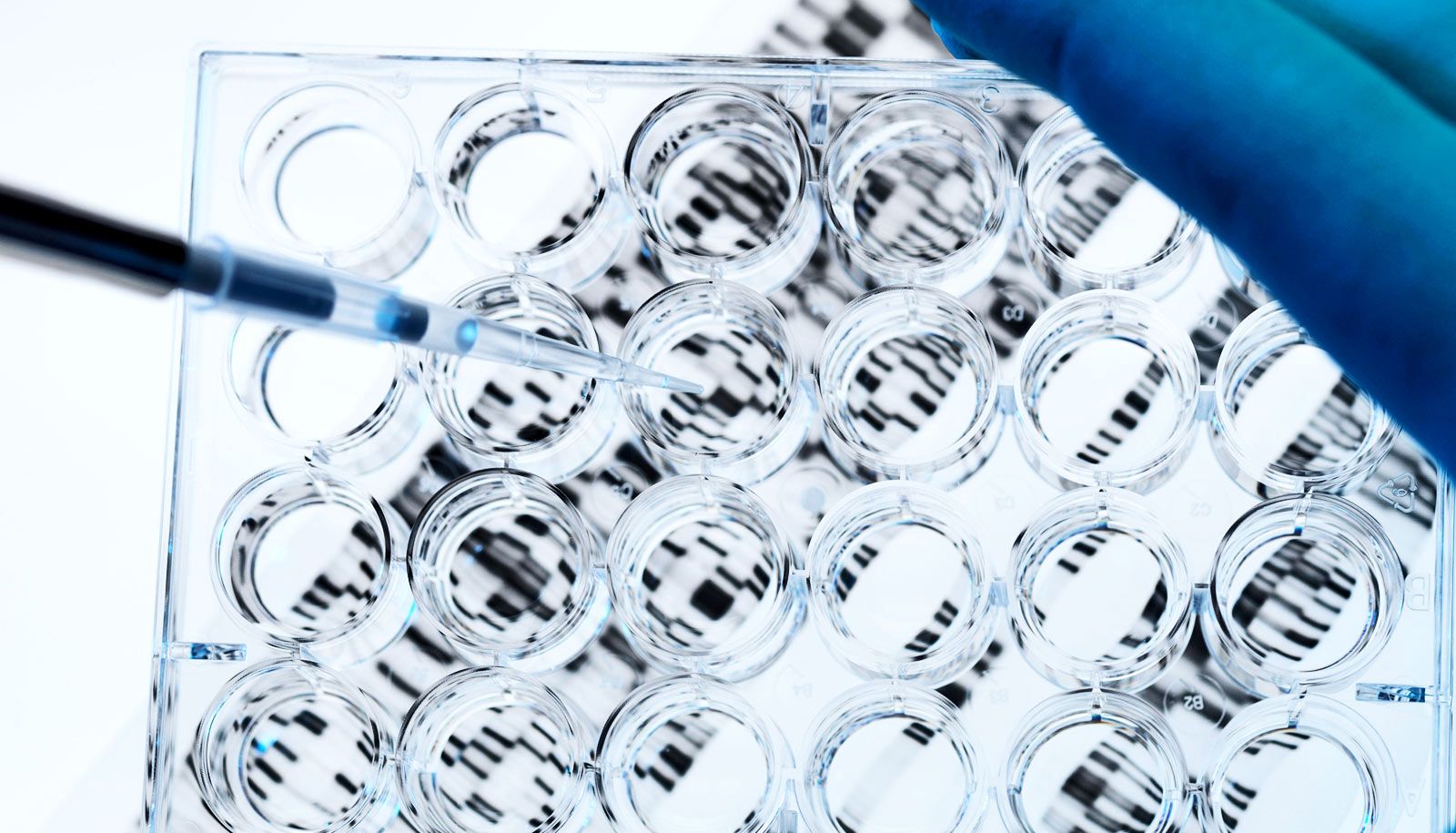
Should genealogy data be used to solve crimes?
New research shows how police could use forensic DNA to track down a suspect’s relatives in genealogy databases that store a different kind of genetic data—and that were never intended for use in police investigations.
In other words, if your sibling leaves DNA at a crime scene, it could lead detectives to your door. That suggests new investigative possibilities for police—and also new concerns about genetic privacy and whether authorities who use forensic DNA in creative ways might be overstepping their bounds, says Noah Rosenberg, a professor of biology at Stanford University and senior author of a study, which appears in Cell.
“The potential to link people’s genotypes across databases has been developing for some time. It is both of interest and concerning, depending on one’s point of view,” says Rosenberg, who is also a member of Stanford Bio-X.
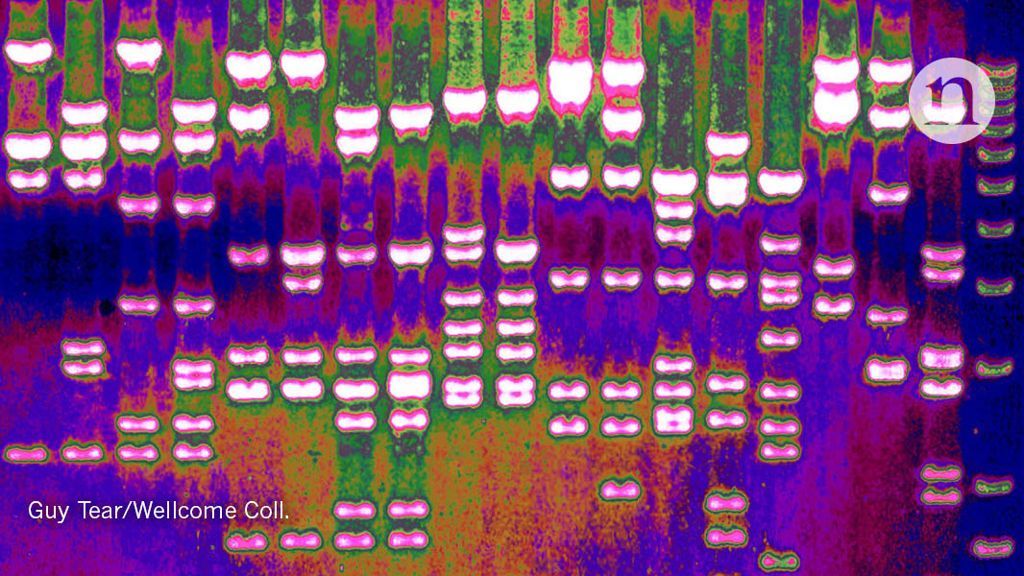
Machine learning spots natural selection at work in human genome
Scientists are using artificial intelligence to identify genetic sequences molded by evolutionary pressures.
Bioquark Inc. — Eat This, Not That! — Ira Pastor
Eat This, Not That! –Bioquark Inc.
Dr. Antonei Csoka at Ending Age-Related Diseases 2018 — Aging as Meta-Disease
Good information 💜.
Dr. Antonei Csoka of Howard University discusses the concept of aging as meta-disease and about the hierarchy of some of the Hallmarks of Aging. He also discusses some of the philosophical and metaphysical underpinnings for the goal of overcoming age-related disease.
►Conference Page: https://www.leafscience.org/ending-age-related-diseases-adva…prospects/
►Subscribe for more: https://www.youtube.com/user/LifespanIO?sub_confirmation=1
►This video is presented by LEAF. Please support our work by becoming a “Lifespan Hero”: http://lifespan.io/hero

Scientists Find Link Between Parkinson’s Disease and the Appendix
Scientists have found further evidence that the gut, or more specifically the appendix, might play a role in the development of Parkinson’s disease.
The international team of scientists reviewed two datasets, including a large registry from Sweden, and found that removal of the appendix was associated with a decreased risk of developing Parkinson’s disease. They also found that the human appendix contains clumps of a protein called alpha-synuclein in a form associated with the disease. There’s more work to be done, and the authors are not advocating that people preemptively remove their appendixes, but they hope that the research could provide a pathway towards treatment.

New spinal cord therapy helps patients walk again
Three people regained leg movements after using a new type of treatment, the latest in a suite of results involving electrical stimulation.
Neutralizing RNS May Improve Immunotherapy Outcomes
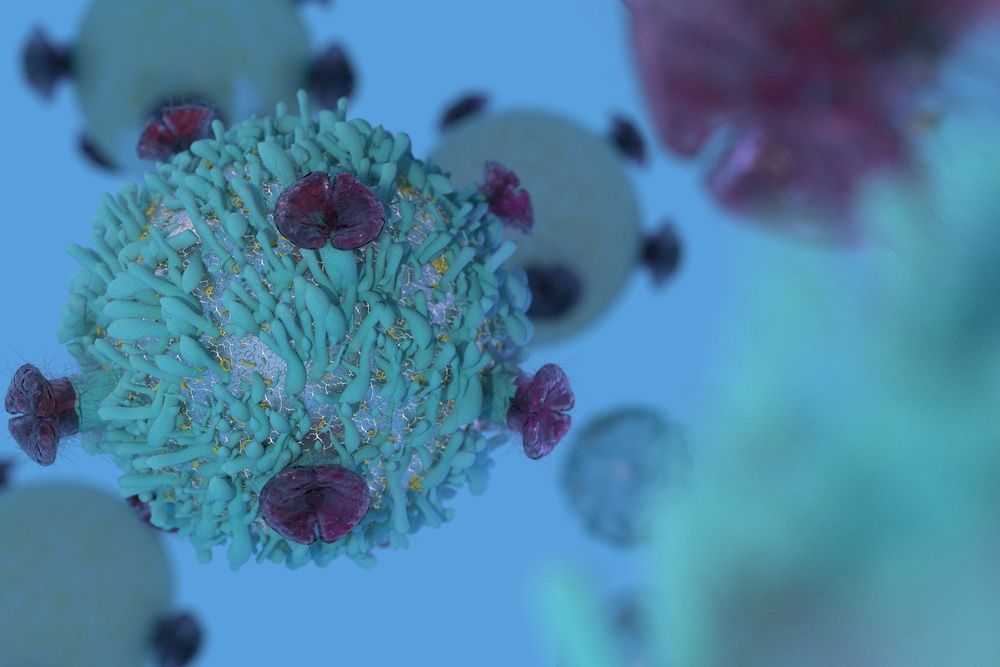
Neutralising reactive nitrogen species to make immunotherapy more effective.
Researchers at the University of Notre Dame discovered that amino acid nitration can inhibit the activation of T cells employed in immunotherapy against cancer and that suppression of reactive nitrogen species (RNS) responsible for nitration can significantly boost the effectiveness of immunotherapy [1].
Abstract
Potent immunosuppressive mechanisms within the tumor microenvironment contribute to the resistance of aggressive human cancers to immune checkpoint blockade (ICB) therapy. One of the main mechanisms for myeloid-derived suppressor cells (MDSCs) to induce T cell tolerance is through secretion of reactive nitrogen species (RNS), which nitrates tyrosine residues in proteins involved in T cell function. However, so far very few nitrated proteins have been identified. Here, using a transgenic mouse model of prostate cancer and a syngeneic cell line model of lung cancer, we applied a nitroproteomic approach based on chemical derivation of 3-nitrotyrosine and identified that lymphocyte-specific protein tyrosine kinase (LCK), an initiating tyrosine kinase in the T cell receptor signaling cascade, is nitrated at Tyr394 by MDSCs. LCK nitration inhibits T cell activation, leading to reduced interleukin 2 (IL2) production and proliferation.
A Potential New Path to Increasing NAD+
A new study suggests that NAD+, which declines with age, may be increased via the de novo pathway.
Cellular kill code discovery may help extinguish cancers
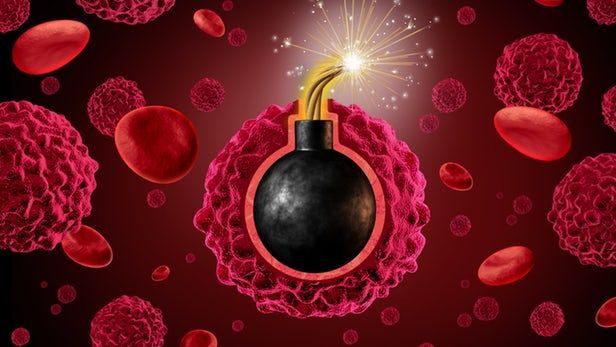
Research has discovered that inside every cell in the human body is a kill code designed to trigger self-destruction if it senses a cell is turning cancerous. Across two studies the scientists homed in on the code underlying this mechanism and believe it may lead to a new kind of cancer treatment.