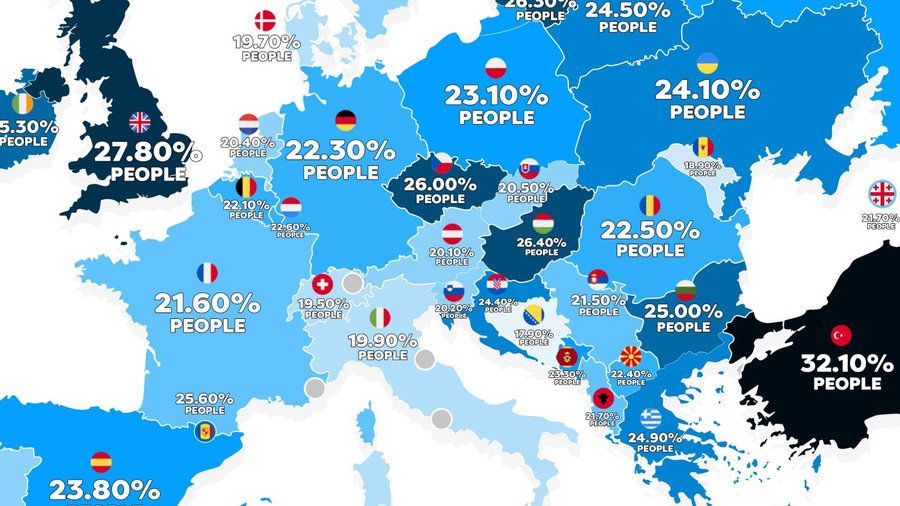
If your BMI is higher than 30, you’re technically obese. These maps show how many people per European country (and U.S. state) suffer from that medical condition.

CELLINK proudly presents the LAMININ-SERIES in collaboration with BIOLAMINA
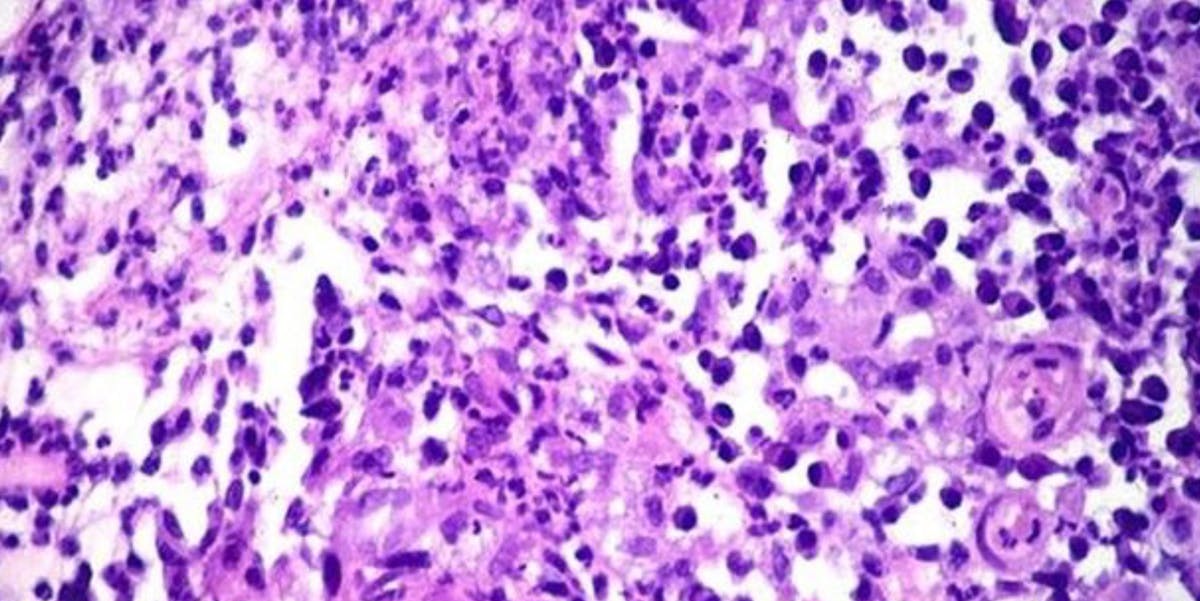
Laminins are proteins composed of three subunits referred to as a α-chain, β-chain and γ-chain. They are a major component of the basal lamina that lines the external surface of cell membranes. This protein is characterized by its cross-like structure that serves as a structural foundation for many tissues. Laminins play an important role in cell differentiation, migration, adhesion and also involved in supporting healthy tissue. Several laminins have been identified, which all have been related to different tissues and organs in the human body.
Our CELLINK LAMININ SERIES consists of five tissue-specific bioinks that have been developed for improving maintenance and survival of tissue. The bioinks contain laminins to mimic the basal lamina and the natural tissue environment. These bioinks retain the excellent printability and ease of cross-linking found with the universal CELLINK® bioink.
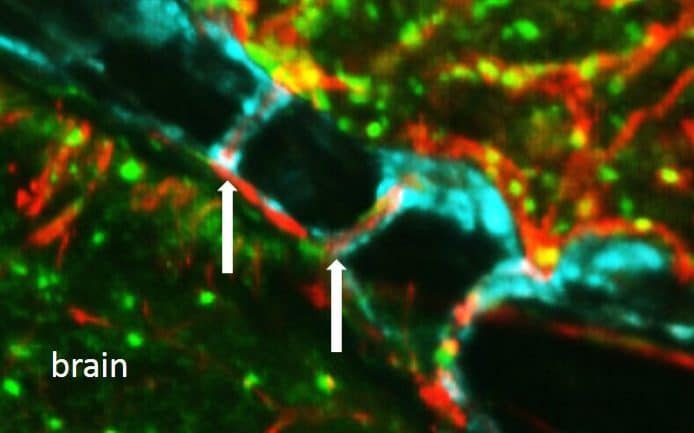
Hidden tunnels which link the human skull to the brain have been discovered by scientists, leading to hopes the breakthrough may help in stroke and Alzheimer’s research.
Researchers believe that the passages provide a quick channel for immune cells to reach the brain from the bone marrow in the skull.
Previously it was through that immune cells formed in the bone marrow of the limbs was transported up to the brain to clear out infection.
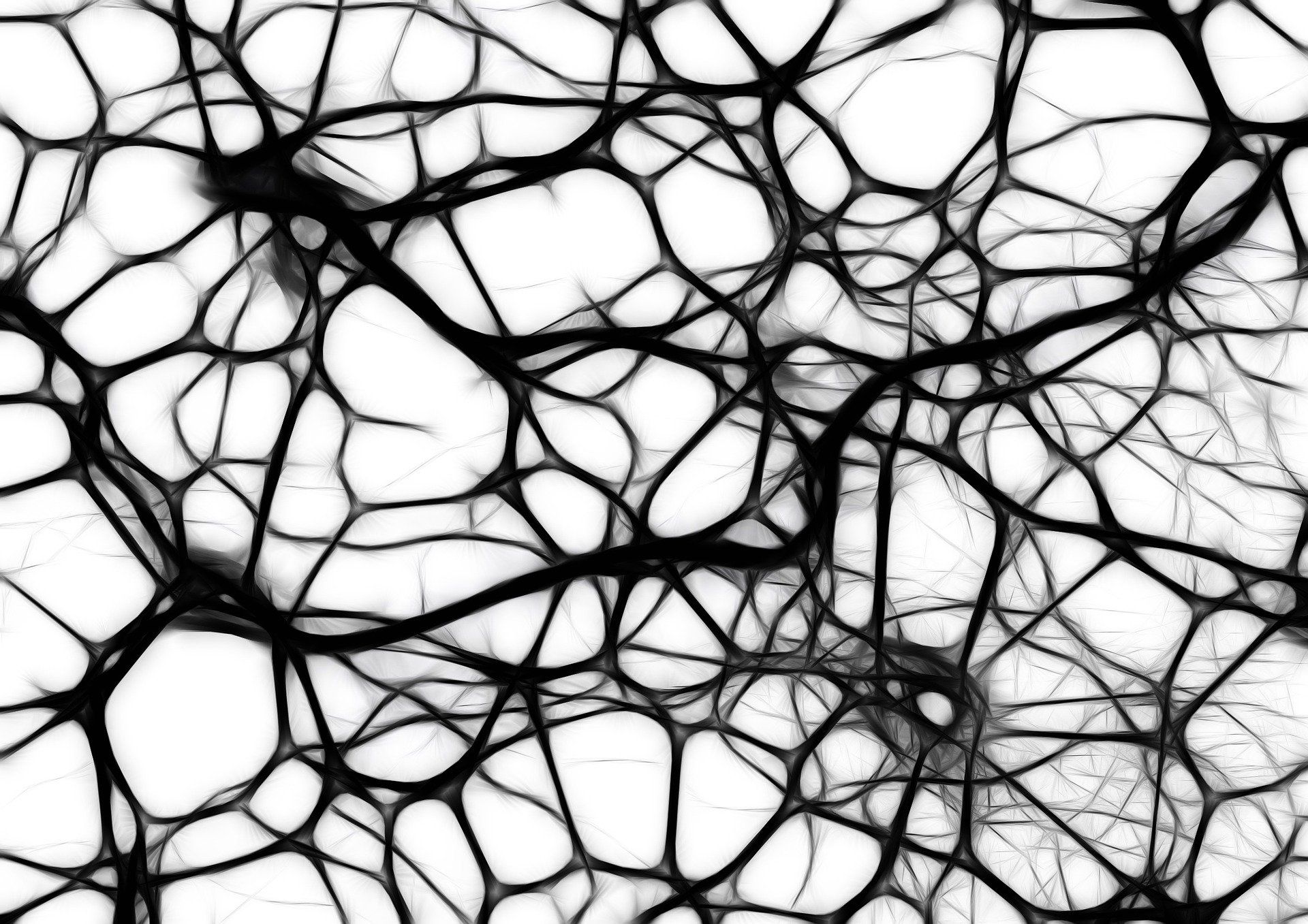
If you’ve ever experienced jet lag, you are familiar with your circadian rhythm, which manages nearly all aspects of metabolism, from sleep-wake cycles to body temperature to digestion. Every cell in the body has a circadian clock, but researchers were unclear about how networks of cells connect with each other over time and how those time-varying connections impact network functions.
In research published Aug. 27 in PNAS, researchers at Washington University in St. Louis and collaborating institutions developed a unified, data-driven computational approach to infer and reveal these connections in biological and chemical oscillatory networks, known as the topology of these complex networks, based on their time-series data. Once they establish the topology, they can infer how the agents, or cells, in the network work together in synchrony, an important state for the brain. Abnormal synchrony has been linked to a variety of brain disorders, such as epilepsy, Alzheimer’s disease and Parkinson’s disease.
Jr-Shin Li, professor of systems science & mathematics and an applied mathematician in the School of Engineering & Applied Science, developed an algorithm, called the ICON (infer connections of networks) method, that shows for the first time the strength of these connections over time. Previously, researchers could only determine whether a connection existed between networks.

Wealthy Singapore is hyper-connected and on a drive to digitise government records and essential services, including medical records which public hospitals and clinics can share via a centralised database.
But authorities have put the brakes on these plans while they investigate the cyberattack. A former judge will head a committee looking into the incident.
While the city state has some of the most advanced military weaponry in the region, the government says it fends off thousands of cyberattacks every day and has long warned of breaches by actors as varied as high-school students in their basements to nation states.
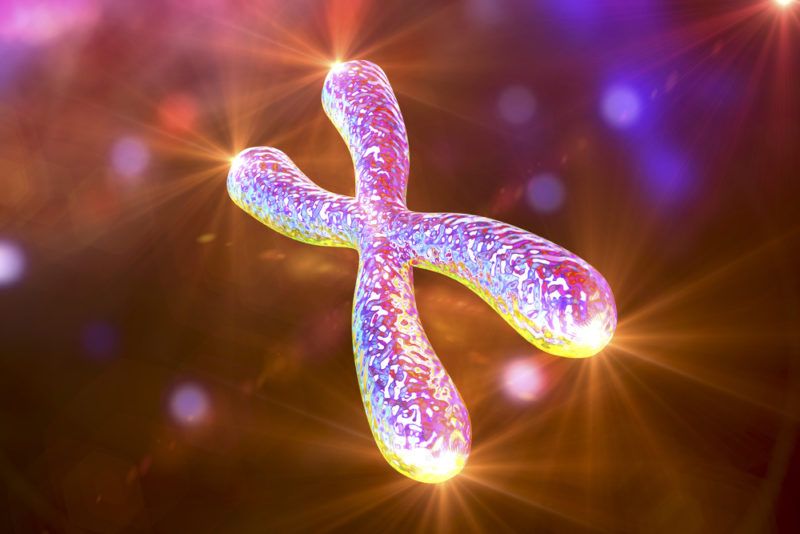
Researchers have demonstrated that telomerase gene therapy does not increase the risk of cancer, even in strains of mice that are particularly susceptible to cancer [1].
A tale of telomeres
Short telomeres trigger cellular senescence and are thought to be one of the primary hallmarks of aging, which has led to various researchers seeking ways to restore the telomeres in order to prevent cells from dying and to encourage division and tissue regeneration. We won’t go over the basics of telomeres and how they influence aging here, but if you would like to learn more, check out our telomeres article, which explains it all.
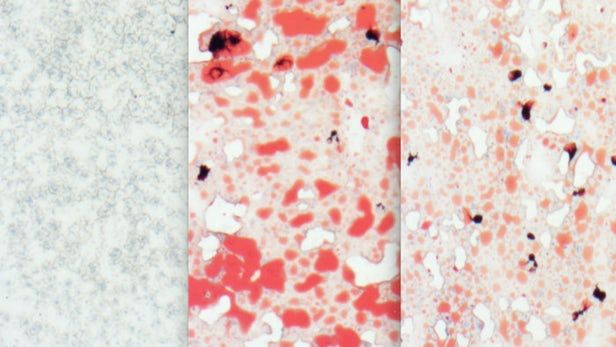
Sugar may be the villain of our time, with too much of the sweet stuff known to be a leading cause of developing diabetes. But now researchers at Washington University School of Medicine in St. Louis have discovered a new way to reduce the risk of this condition – sugar. Trehalose is a natural sugar that has now been found to deprive the liver of glucose and activate a gene that improves insulin sensitivity and triggers the burning of more fat.