Toggle light / dark theme

Machine learning underpins data-driven AI: Una-May O’Reilly

Another data scientist with pragmatic thinking which is badly needed today. Keeping it real with Una-May O’Reilly.


Mumbai: Una-May O’Reilly, principal research scientist at Anyscale Learning For All (ALFA) group at the Massachusetts Institute of Technology Computer Science and Artificial Intelligence Laboratory, has expertise in scalable machine learning, evolutionary algorithms, and frameworks for large-scale, automated knowledge mining, prediction and analytics. O’Reilly is one of the keynote speakers at the two-day EmTech India 2016 event, to be held in New Delhi on 18 March.

In an email interview, she spoke, among other things, about how machine learning underpins data-driven artificial intelligence (AI), giving the ability to predict complex events from predictive cues within streams of data. Edited excerpts:

When you say that the ALFA group aims at solving the most challenging Big Data problems—questions that go beyond the scope of typical analytics—what do you exactly mean?

Typical analytics visualize and retrieve direct information in the data. This can be very helpful. Visualizations allow one to discern relationships and correlations, for example. Graphs and charts plotting trends and comparing segments are informative. Beyond its value for typical analytics, one should also be aware that the data has latent (that is, hidden) predictive power. By using historical examples, machine learning makes it possible to build predictive models from data. What segments are likely to spend next month? Which students are likely to drop out? Which patient may suffer an acute health episode? Predictive models of this sort rely upon historical data and are vital. Predictive analytics is new, exciting and what my group aims to enable technologically.
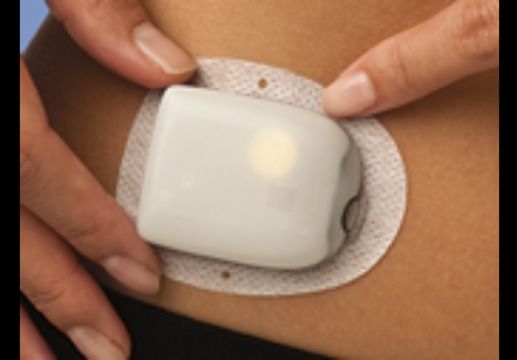
‘Artificial pancreas’ is one of new tech devices aimed at diabetes

Wearables and other connected devices have been available to help treat chronic conditions like asthma and heart disease for a while now. But thus far, the nation’s 30 million diabetics haven’t seen much to help them improve their health or reduce the daily grind of finger pricks and needle pokes.

The $2.5 billion connected-care industry may be off to a late start in diabetes, but it’s making up for lost time. A new breed of connected glucometers, insulin pumps and smartphone apps is hitting the market. They promise to make it easier for diabetics to manage the slow-progressing disease and keep them motivated with feedback and support. In as little as two years, the industry plans to take charge of the entire uncomfortable, time-consuming routine of checking and regulating blood-sugar levels with something called an artificial pancreas. Such systems mimic the functions of a healthy pancreas by blending continuous glucose monitoring, remote-controlled insulin pumps and artificial intelligence to maintain healthy blood-sugar levels automatically.

For Jeroen Tas, CEO of Philips’ Connected Care and Health Informatics unit, diabetes management is also personal: his daughter Kim is diabetic.

NIH awards grant to upstart for nanotech, regenerative spinal implants

New funding awarded by DARPA on new spinal implants; this should make some commercial pilots that I know happy.


Carmel, IN-based startup Nanovis is no stranger to nabbing research grants. It’s just nabbed one from the National Institutes of Health for preclinical research on the use of its porous Forticore interbody fusion devices in combination with nanotube technology. The combination is expected to result in a surface that mimics nature and encourages regeneration around an implant.

Nanovis has previously gotten 8 competitive peer-reviewed grants from the NIH and other research organizations; this is its second NIH grant. In September 2014, it got FDA clearance for its FortiCore interbody fusion devices and then last October it launched an expanded FortiCore line.

“Gaining the attention and support of the NIH for Nanovis’ technology platforms and research is gratifying,” said Nanovis CEO Matt Hedrick in a statement. “Our deeply porous FortiCore interbody fusion device are increasingly being adopted by leading surgeons and hospital networks driving accelerated company growth. As we progress forward, we continue to invest in the fundamental science at the core of our uniquely differentiated technologies. Grants from the NIH help us continue to discover potential applications to improve the future of healthcare.”

Bionic fingertip lets amputee feel textures

Cool beans.


Using a bionic fingertip, an amputee for the first time has been able to feel rough and smooth textures in real-time, as though the fingertip were naturally connected to his hand.

After Luke Skywalker got his hand cut off during a duel with Darth Vader in “Star Wars,” the young Jedi received an artificial hand that helped him both grip and feel again. Scientists worldwide are seeking to make this vision from science fiction a reality with prosthetic limbs that are wired directly into the nervous systems of their recipients.

Researchers experimented with amputee Dennis Aabo Sørensen from Denmark, who damaged his left hand more than a decade ago while playing with fireworks. Doctors immediately amputated the appendage after Sørensen was brought to a hospital. [Bionic Humans: Top 10 Technologies].

Inside the Artificial Intelligence Revolution: A Special Report, Pt. 2

Jeff Goodell is a braver person than me. Goodell reports that the driverless car “still drives like a teenager” Personally, I would worry more about the ability to hack these cars in the middle of a major US highway going 60 to 70 mph and hackers abruptly shutting off the engine.


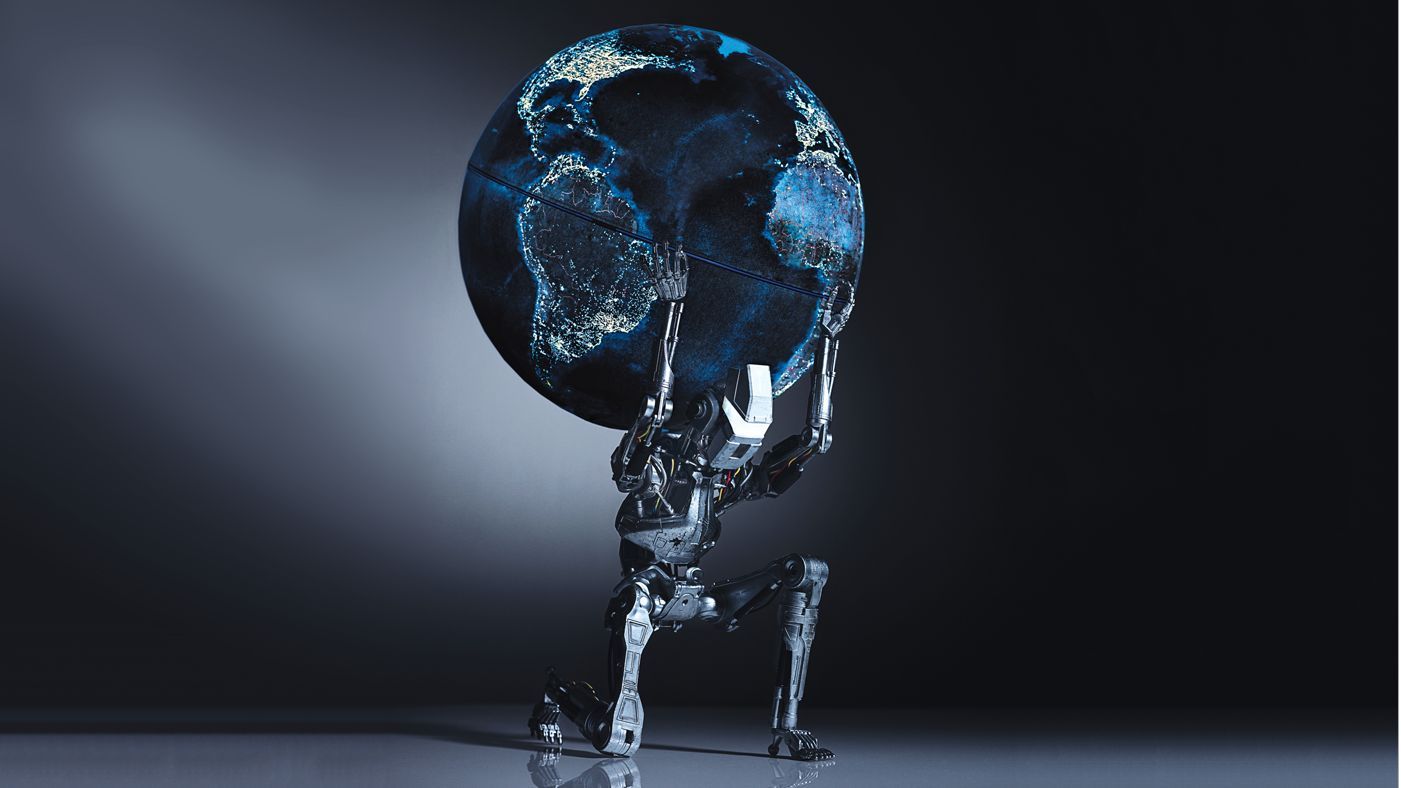
Self-driving cars, war outsourced to robots, surgery by autonomous machines – this is only the beginning.

/* */