Toggle light / dark theme

We Just Got Closer Than Ever to Unlocking Graphene’s Superconducting Powers

Scientists are now closer than ever to being able to use graphene as a superconductor – to conduct electricity with zero resistance – making it useful for developing energy efficient gadgets, improving medical research, upgrading power grids, and much more besides.

The key to the new approach is heating a silicon carbide (SiC) crystal, itself a superconductor, until the silicon atoms have all evaporated. This leaves two graphene layers on top of each other in a way that, in certain conditions, offers no resistance to electrical current.

A similar dual-layer approach was also successfully used to turn graphene into a superconductor earlier this year. The difference here is the layers don’t have to be carefully angled on top of each other, which should make it easier to reproduce at scale.

Potent, Cocaine-Like Motivational Drug Unveiled at Neuroscience Conference

Motivation is such an intangible aspect of the human spirit that we often forget it has very real, neurochemical origins. We admire it in others and strive for it in ourselves (see: every Nike ad ever made), and now we are getting closer to potentially inducing that motivational feeling with drugs.

John Salamone, Ph.D., a professor at the University of Connecticut with a background in neural and behavioral pharmacology, has been working with the drug company Chronos Therapeutics to develop a drug that can restore motivation in people who have lost it — whether that’s due to the symptoms of depression, struggle with disease, or otherwise. He unveiled his early results on rats this week in a presentation at the Society For Neuroscience’s conference in San Diego, where he tells Inverse his board was bustling with activity:

“Basically we stood there for four hours and were busy the entire time,” says Salamone. The reception was overwhelmingly positive, he adds. “We didn’t have anyone say ‘This is crazy! This will never work!’”.

After the Search: Journey to the Dark Side

Just got these links: #Transhumanism is covered extensively in this hour long show from Discovery Channel that aired a few weeks ago. My 20-min interview in this program starts at 19 minutes: https://www.discovery.com/tv-shows/expedition-unknown/full-e…-dark-side & the YouTube link: https://www.youtube.com/watch?v=Jiigjw8enQ8


After drinking a mysterious drug concocted by Amazonian shamans, Josh shares exclusive footage and insights into his own life-changing journey to the brink of the afterlife. Josh meets the leader of a movement attempting to beat death through technology.

Tissue Chips in Space a Big Leap for Research

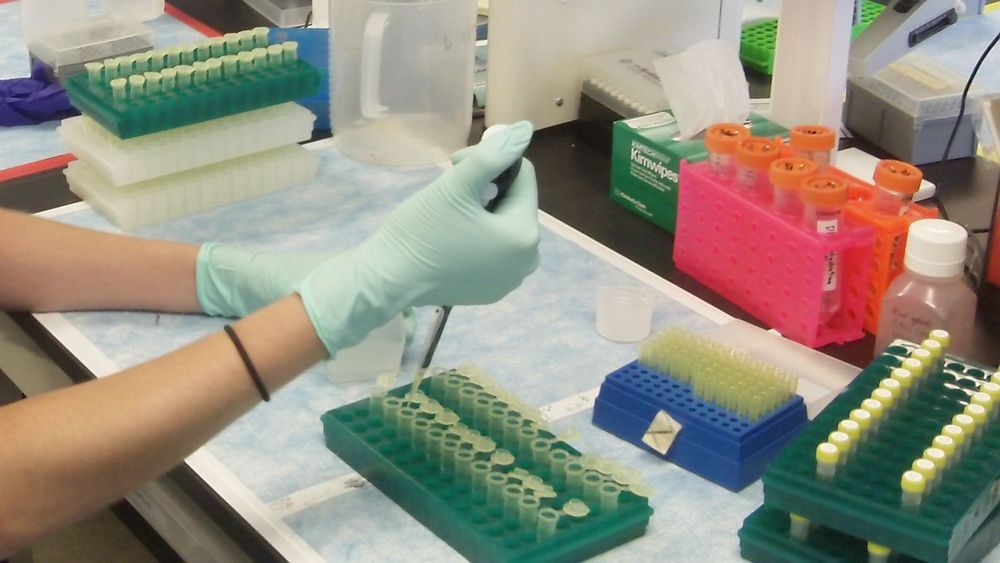
A small device that contains human cells in a 3D matrix represents a giant leap in the ability of scientists to test how those cells respond to stresses, drugs and genetic changes. About the size of a thumb drive, the devices are known as tissue chips or organs on chips.

A series of investigations to test tissue chips in microgravity aboard the International Space Station is planned through a collaboration between the National Center for Advancing Translational Sciences (NCATS) at the National Institutes for Health (NIH) and the Center for the Advancement of Science in Space (CASIS) in partnership with NASA. The Tissue Chips in Space initiative seeks to better understand the role of microgravity on human health and disease and to translate that understanding to improved human health on Earth.

“Spaceflight causes many significant changes in the human body,” said Liz Warren, associate program scientist at CASIS. “We expect tissue chips in space to behave much like an astronaut’s body, experiencing the same kind of rapid change.”

Superbugs pose a dangerous, $65 billion threat to the US health-care system

The economic toll of this superbug crisis is huge: In the United States alone the health-care costs dealing with antimicrobial resistance could reach $65 billion by 2050, according to the OECD report. That is more than the flu, HIV and tuberculosis. If projections are correct, resistance to backup antibiotics will be 70 percent higher in 2030 compared to 2005 in OECD countries. In the same period, resistance to third-line treatments will double across EU countries.


A new report released Wednesday from the OECD estimates that antimicrobial resistant infection is on track to kill 30,000 Americans per year by 2050. The OECD is calling on the US and other rich countries to implement 5 simple reforms to save lives.

/* */