Toggle light / dark theme

For the First Time Ever a New Way of Communication Enables “Talking” Between Body Implants and Smartphones

Luv this.


Smart devices implanted in the body have thus far not been able to communicate via Wi-Fi due to the power requirements of such communications. Surgery is required when the battery in a brain stimulator or a pacemaker needs to be replaced. Not only is this expensive, but any surgery has inherent risks and could lead to complications. It is therefore critically important that the battery life in implanted medical devices be preserved for as long as possible.

Other constraints limiting how much power a device can use include their location in the body and their size. New emerging devices that could one day reanimate limbs, stimulate organs, or brain implants that treat Parkinson’s disease are limited by the same factors.

Smartwatches, smartphones and other similar Bluetooth enable devices continuously transmit communication signals. A team from the University of Washington (UW) consisting of computer scientists and electrical engineers, have developed a method that utilizes these signals and converts it to Wi-Fi signals. The new method uses ten thousand times less energy than traditional methods do. Another huge advantage of this method is that it does not need any specialized equipment.
Live Stream

SENS RB2016 Conference is now live streaming come along and join them now and get the latest news! They are streaming for the next 3 days for those interesting in rejuvenation biotechnology.


All presentations at the Rejuvenation Biotechnology Conference 2016 will be available to watch online via live streaming. There will be three separate streams, covering consecutive sections of the conference.

To access the streams bookmark the following links and tune in during the times specified:

Accelerating early disease detection with nanobiotechnology

Imagine this scenario: Annual physical examinations are supplemented by an affordable home diagnostic chip, allowing you to regularly monitor your baseline health with just a simple urine sample. Though outwardly you appear to be in good health, the device reveals a fluctuation in your biomarker profile, indicating the possible emergence of early stage cancer development or presence of a virus.

Diagnostic devices like a home pregnancy test have been around since the 1970s. It revolutionized a woman’s ability to find out if she was pregnant without having to wait for a doctor’s appointment to confirm her suspicions. The test relies on detecting a hormone, human chorionic gonadotropin, present in urine. But could detecting cancer, or a deadly virus, from a similar kind of sample and device be as simple and non-invasive?

Beam My DNA Up to Space, Scotty! New Project Aims to ‘Immortalize’ Humanity

A new spin on DNA in space.


A new crowdfunding project could see humanity immortalized in space. Voices of Humanity, has one key goal and that is to help everyone on planet Earth to engage directly in space exploration.

The Voices of Humanity project is led by Professor Philip Lubin from Orlando University has developed the idea in the hope it will help them to develop a first generation laser-driven small spacecraft as part of NASA’s program to explore interstellar flight.

“We wanted to carry part of humanity on these spacecraft,” Professor Lubin told Sputnik.

Wake Forest Researchers Successfully Implant Living, Functional 3D Printed Human Tissue Into Animals

“Researchers Successfully Implant Living, Functional 3D Printed Human Tissue Into Animals”

My question is “why?”


The news has been full of stories about new advancements in 3D printed tissue. Companies such as Organovo and research institutions such as the University of California San Diego are leading the charge in the development of 3D printed, functional human tissue, particularly liver tissue. So far, printed tissue is being used mostly for pharmaceutical drug testing, but everyone in the 3D printing biosphere professes the ultimate goal of eventually producing whole, fully functional human organs that can be transplanted into patients. Most experts agree that it will happen; it’s just a matter of when.

It’s also a matter of who. The race to be the first to 3D print a transplantable human organ is an intense one, and Wake Forest Baptist Medical Center may have just pulled into the lead. Regenerative medicine researchers at the North Carolina hospital have announced that they have printed ear, bone and muscle structures and successfully implanted them into animals. The structures, after being implanted, matured into functional tissue and sprouted new systems of blood vessels, and their strength and size mean that they could feasibly be implanted into humans in the future.

Exclusive: Controversial US scientist creates deadly new flu strain for pandemic research

The article overplays the alarmist tone a bit, but this is still an idiotic experiment.

If I understand correctly (the reporter didn’t explain it properly), he mutated the virus multiple times, until it no longer matches existing antibodies (i.e. somebody exposed would still become resistant — if they survived — and it is still possible to create new antiviral drugs that can target it); i.e. it is dangerous, but not invincible.

Given how long it takes to make new vaccinations for flue strains (and the cost of distributing them globally), this is still deeply irresponsible.


A controversial scientist who carried out provocative research on making influenza viruses more infectious has completed his most dangerous experiment to date by deliberately creating a pandemic strain of flu that can evade the human immune system.

Yoshihiro Kawaoka of the University of Wisconsin-Madison has genetically manipulated the 2009 strain of pandemic flu in order for it to “escape” the control of the immune system’s neutralising antibodies, effectively making the human population defenceless against its reemergence.

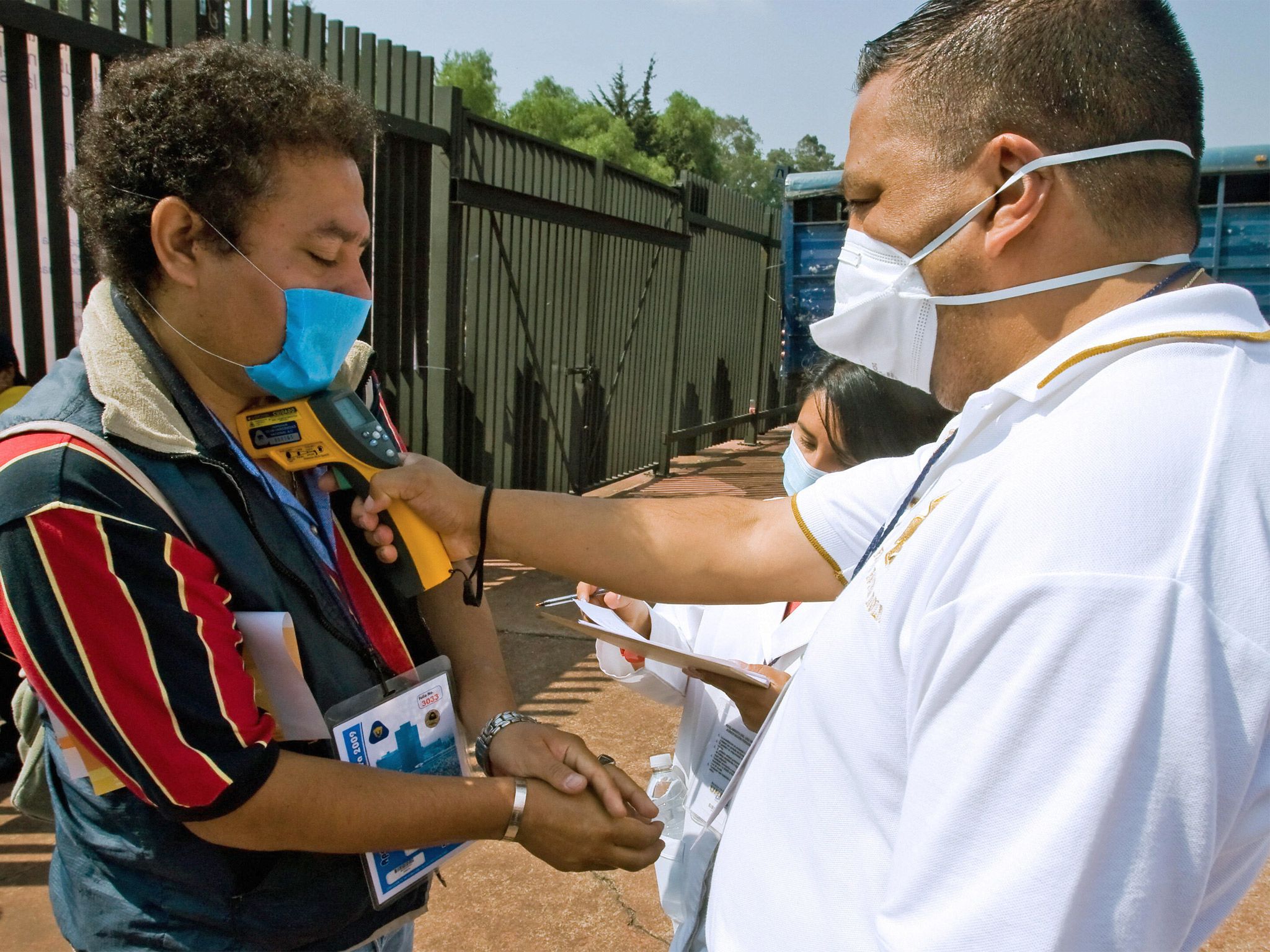
Most of the world today has developed some level of immunity to the 2009 pandemic flu virus, which means that it can now be treated as less dangerous “seasonal flu”. However, The Independent understands that Professor Kawaoka intentionally set out to see if it was possible to convert it to a pre-pandemic state in order to analyse the genetic changes involved.

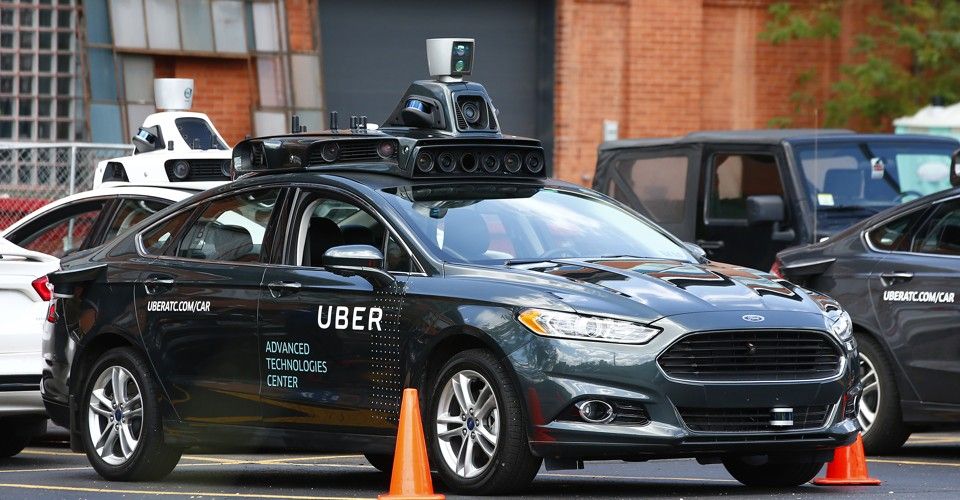
Will Uber’s Fleet of Self-Driving Cars Save Lives?

Researchers estimate that driverless cars could, by midcentury, reduce traffic fatalities by up to 90 percent. Which means that, using the number of fatalities in 2013 as a baseline, self-driving cars could save 29,447 lives a year. In the United States alone, that’s nearly 300,000 fatalities prevented over the course of a decade, and 1.5 million lives saved in a half-century. For context: Anti-smoking efforts saved 8 million lives in the United States over a 50-year period.

The life-saving estimates for driverless cars are on par with the efficacy of modern vaccines, which save 42,000 lives for each U.S. birth cohort, according to the Centers for Disease Control.

Globally, there are about 1.2 million traffic fatalities annually, according to the World Health Organization. Which means driverless cars are poised to save 10 million lives per decade—and 50 million lives around the world in half a century.

/* */