Local health officials say cheap charlatans are likely using contaminated equipment.
Read more


Forget stitches and old-school sutures. The Air Force is funding scientists who are using nano-technology and lasers to seal up wounds at a molecular level. It might sound like Star Trek tech, but it’s actually the latest in a series of ambitious Pentagon efforts to create faster, more effective methods of treating war-zone injuries. Last \[…\].
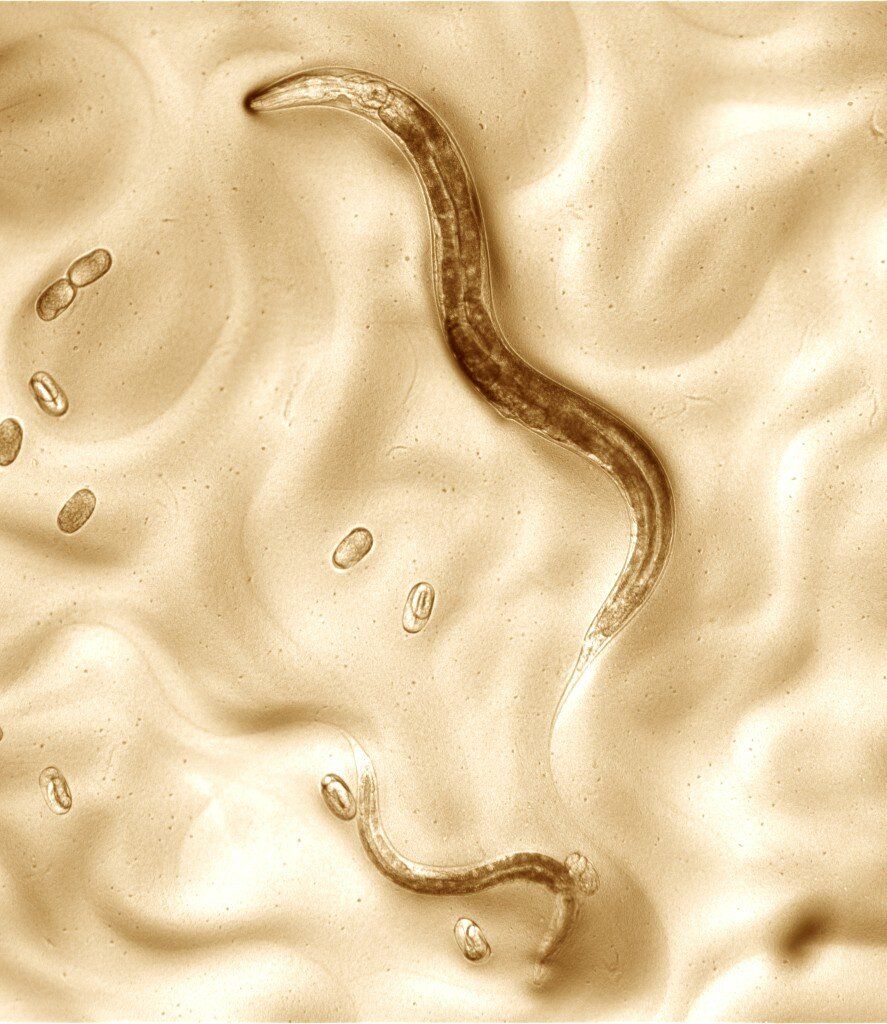
A new Cornell University-led study finds that the genome for a widely researched worm, on which countless studies are based, was flawed. Now, a fresh genome sequence will set the record straight and improve the accuracy of future research.
When scientists study the genetics of an organism, they start with a standard genome sequenced from a single strain that serves as a baseline. It’s like a chess board in a chess game: every board is fundamentally the same.
One model organism that scientists use in research is a worm called Caenorhabditis elegans. The worm—the first multicellular eukaryote (animal, plant or fungus) to have its genome sequenced—is easy to grow and has simple biology with no bones, heart or circulatory system. At the same time, it shares many genes and molecular pathways with humans, making it a go-to model for studying gene function, drug treatments, aging and human diseases such as cancer and diabetes.
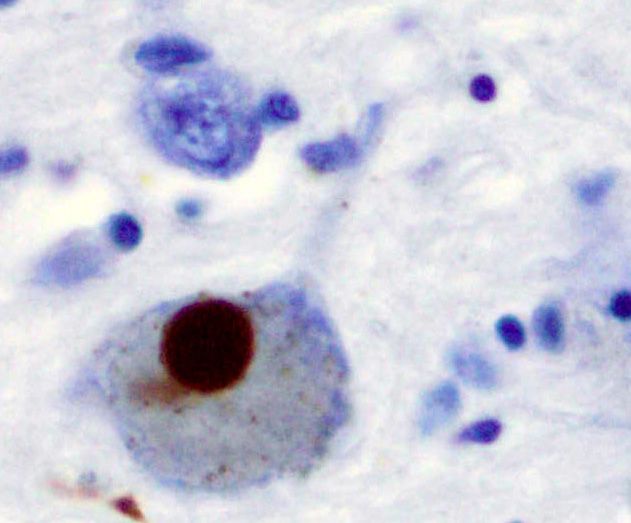
People who have bipolar disorder may be more likely to later develop Parkinson’s disease than people who do not have bipolar disorder, according at a study published in the May 22, 2019, online issue of Neurology, the medical journal of the American Academy of Neurology.
“Previous studies have shown a relationship between depression and Parkinson’s disease, but few studies have looked at whether there is a relationship between bipolar disorder and Parkinson’s,” said study author Mu-Hong Chen, MD, Ph.D., of Taipei Veterans General Hospital in Taiwan.
For the study, researchers examined a national Taiwanese health database for people were diagnosed with bipolar disorder between 2001 and 2009 and who had no history of Parkinson’s disease, for a total of 56,340 people. They were matched with 225,360 people of the same age, sex and other factors who had never been diagnosed with bipolar disorder or Parkinson’s disease as a control group. Then the two groups were followed until the end of 2011.

In the summer of 2018, a team led by MIT researchers reported in the journal Nature that they had successfully embedded electronic devices into fibers that could be used in fabrics or composite products like clothing, airplane wings, or even wound dressings. The advance could allow fabrics or composites to sense their environment, communicate, store and convert energy, and more.
Research breakthroughs typically take years to make it into final products—if they reach that point at all. This particular research, however, is following a dramatically different path.
By the time the unique fiber advance was unveiled last summer, members of Advanced Functional Fabrics of America (AFFOA), a not-for-profit near MIT, had already developed ways to increase the throughput and overall reliability of the process. And, staff at Inman Mills in South Carolina had established a method to weave the advanced fibers using a conventional, industrial manufacturing-scale loom to create fabrics that can use light to both broadcast and receive information.

The latest market report published by Credence Research, Inc. “Global Plant Stem Cell Market for Nutrition – Growth, Share, Opportunities, Competitive Analysis, and Forecast, 2016 – 2022,” the plant stem cell market for nutrition was valued at USD 324.0 Mn in 2015, and is expected to reach USD 1,299.7 Mn by 2022, expanding at a CAGR of 21.3% from 2016 to 2022.
Download Free PDF Sample Request: https://www.credenceresearch.com/sample-request/57974
Regenerative medicine and stem cells are often uttered within the same breath, for good reason.
In animal models, stem cells have reliably reversed brain damage from Parkinson’s disease, repaired severed spinal cords, or restored damaged tissue from diabetes, stroke, blood cancers, heart disease, or aging-related tissue damage. With the discovery of induced pluripotent stem cells (iPSCs), in which skin and other tissue can be reversed into a stem cell-like state, the cells have further been adapted into bio-ink for 3D printing brand new organs.
Yet stem cells are hard to procure, manufacture, and grow. And unless they’re made from the patient’s own cell supply—massively upping production costs—they’re at risk of immune rejection or turning cancerous inside their new hosts.

Jalila Essaïdi is a Dutch artist and entrepreneur focused on biotech applications of spider silk, which she makes using the milk of genetically engineered goats.
Spider silk is one of the strongest materials in nature. Jalila Essaïdi had her curiosity piqued when she read about the work of Randolph Lewis, a Professor at Utah State University, who had developed a method to create synthetic spider silk from goat milk.
“We genetically engineered the goats so that they produced a spider protein in their milk. We then purify that protein from the milk and spin it into fibers,” Lewis told CNN in an interview.
Abstract: This report focuses on the effect of the surface topography of the substrate on the behavior of human mesenchymal stem cells from bone marrow (MSCs) before and after co-differentiation into adipocytes and osteoblasts. Picosecond pulsed laser ablation technology was applied to generate different microstructures (microgrooves and microcavities) on poly (L-lactide) (PLLA), where orientation, cell shape and MSCs co-differentiation were investigated. On flat PLLA, the undifferentiated MSCs showed rounded or elongated shapes, the latter being randomly oriented. On PLLA microgrooves however, MSCs adapted their shape to the groove size and direction and occasionally anchored to groove edges. It was found that adipocytes, contrary to osteoblasts, are highly sensitive to topological cues. Adipocytes responded to changes in substrate height and depth, by adapting the intracellular distribution of their lipid vacuoles to these physical constraints. In addition, the modification of PLLA by laser ablation enhanced the adherence of differentiated cells to the substrate. These findings show that picosecond pulsed laser micromachining can be applied to directly manufacture 3D microstructures that guide cell proliferation, control adipocyte morphology and improve the adhesion of bone and fat tissue.
From: Jose L. Toca-Herrera [view email]
[v1] Thu, 25 Jan 2018 23:56:53 UTC (1,069 KB)