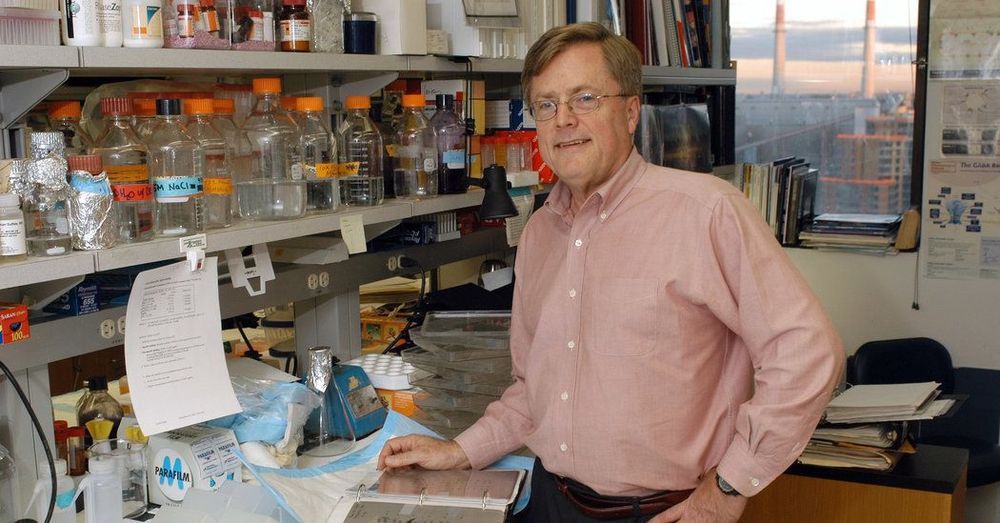
A neuroscientist, he showed how an unrelenting barrage of stress hormones can break down the body, leading to disease, depression, obesity and more.
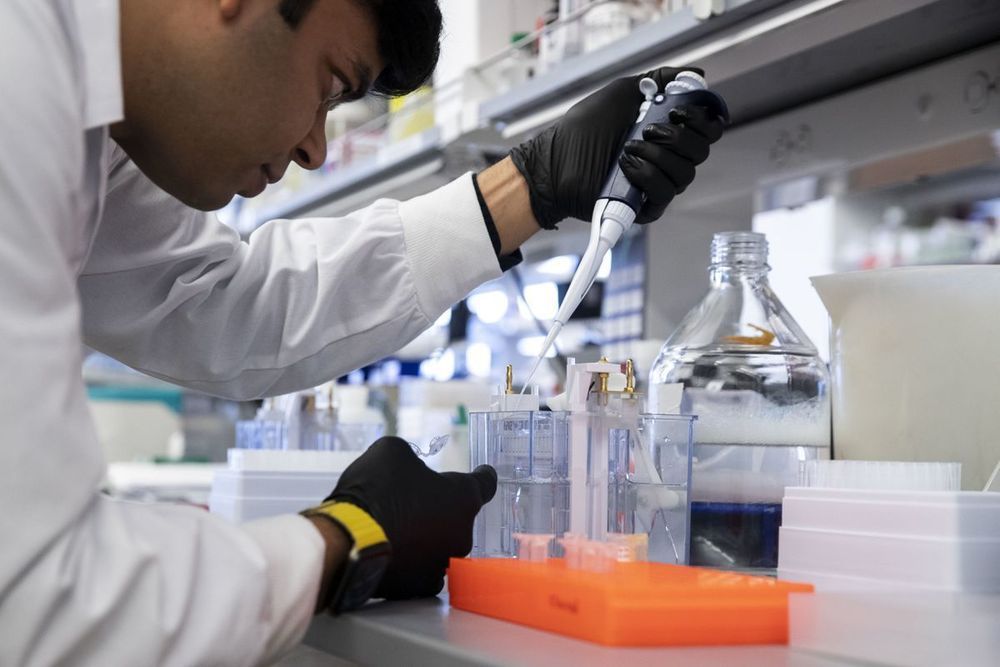
In a surprising study, Oregon State University researchers found that no matter how much stress they placed on mice from either a high-fat diet or strenuous exercise, the animals’ mitochondria were able to adapt and continue their normal processes.
The findings could have major implications for the study of diseases like diabetes, Parkinson’s and Alzheimer’s, all of which are associated with an impairment in the breaking-down and clearance of damaged mitochondria.
Mitochondria are the structures that house cellular respiration, the process used to turn nutrients into energy. Dysfunction in mitochondria may lead to lower energy production, greater inflammation and tissue damage. Yet as central as mitochondria are to living organisms, scientists still don’t know exactly what keeps them healthy—or makes them unhealthy.
Circa 2004
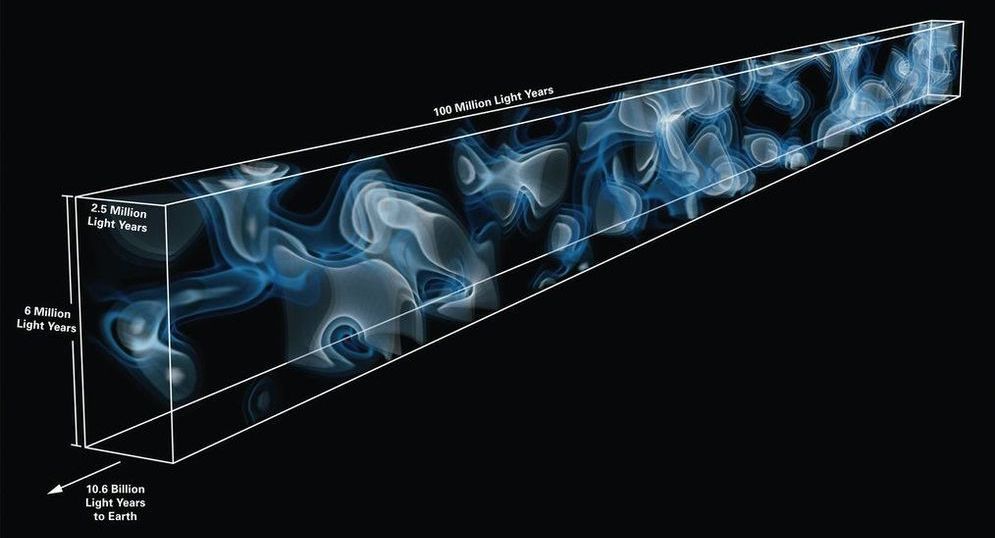
On the largest scales, matter in the Universe is arranged in a vast network of filamentary structures known as the ‘cosmic web’, its tangled strands spanning hundreds of millions of light years. Dark matter, which emits no light, forms the backbone of this web, which is also suffused with primordial hydrogen gas left over from the Big Bang. Galaxies like our own Milky Way are embedded inside this web, but fill only a tiny fraction of its volume.
Now a team of astronomers led by Khee-Gan Lee, a post-doc at the Max Planck Institute for Astronomy, has managed to create a three-dimensional map of a large region of the far-flung cosmic web nearly 11 billion light years away, when the Universe was just a quarter of its current age. Similar to a medical CT scan, which reconstructs a three-dimensional image of the human body from the X-rays passing through a patient, Lee and his colleagues reconstructed their map from the light of distant background galaxies passing through the cosmic web’s hydrogen gas.
The use of the combined starlight of background galaxies for this purpose had been thought to be impossible with current telescopes – until Lee carried out calculations that suggested otherwise. Lee says: “I was surprised to find that existing large telescopes should already be able to collect sufficient light from these faint galaxies to map the foreground absorption, albeit at a lower resolution than would be feasible with future telescopes. Still, this would provide an unprecedented view of the cosmic web which has never been mapped at such vast distances.”

Adv Exp Med Biol. 1987;218:569–76.
Feline infectious peritonitis (FIP) is caused by one of several strains of feline coronaviruses which are grouped into 2 general types of viruses. Infection of cats with FIP virus results in production of serum antibodies which may be protective in conjunction with cell mediated immunity, may provided no protection at all, or may produce an immune enhancement to subsequent exposure to another FIP virus or a recrudescence of the original infecting virus. Attempts at immunization of cats against FIP with inactivated or live FIP viruses have been generally unsuccessful, and often sensitizing the cat through immune enhancement rather than providing protection. Heterologous live virus vaccines using viruses of the same antigenic cluster (transmissible gastroenteritis of swine, canine coronavirus, and human coronavirus 229E) have failed to provide protection against FIP virus.
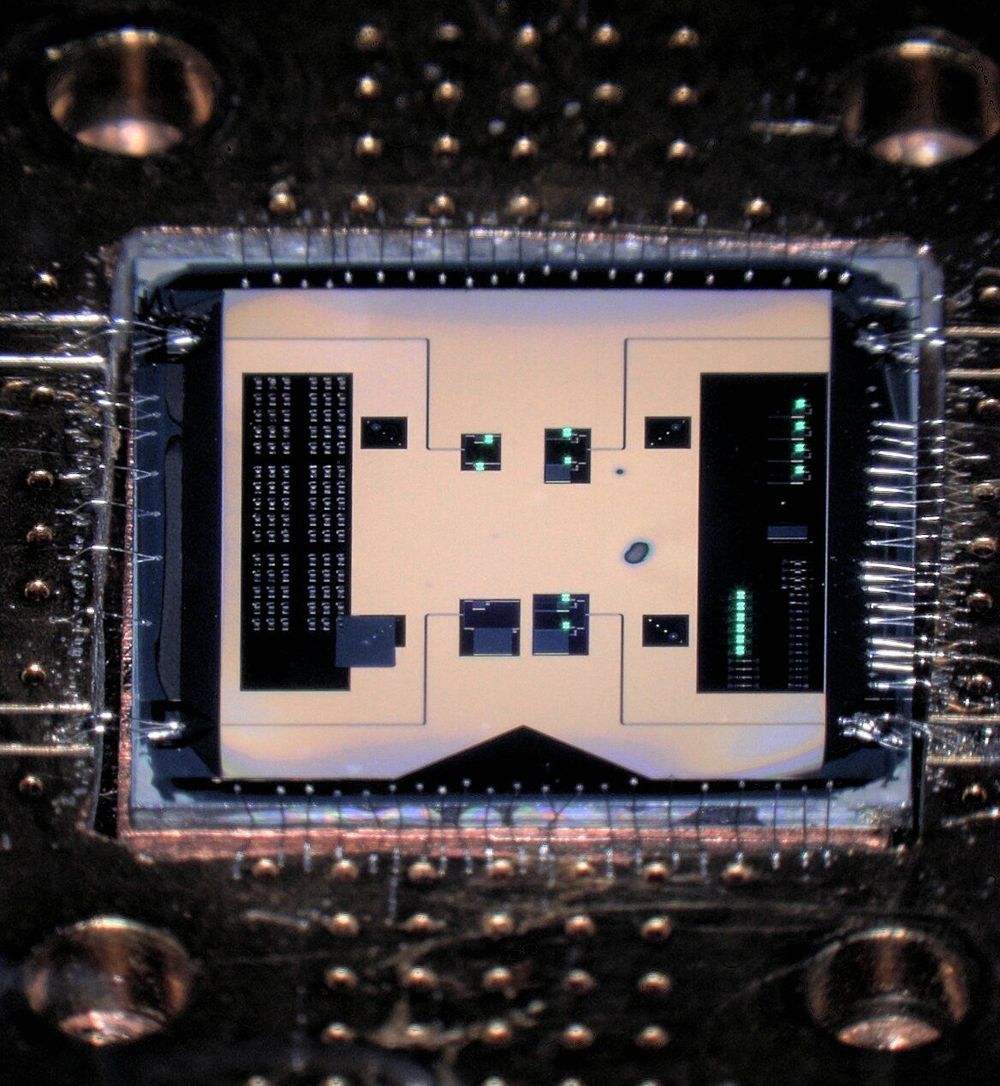
Circa 2019
Researchers at Delft University of Technology have created a quantum circuit to listen to the weakest radio signal allowed by quantum mechanics. This new quantum circuit opens the door to possible future applications in areas such as radio astronomy and medicine (MRI). It also enables experiments to shed light on the interplay between quantum mechanics and gravity. The results have been published in Science.
The usual solution to a weak radio signal is to find a bigger signal, for instance, by picking a different radio station or by moving to the other side of the room. However, m what if we could just listen more carefully?
Weak radio signals are not just a challenge for people trying to find their favourite radio station, but also for magnetic resonance imaging (MRI) scanners at hospitals, as well as for the telescopes scientists use to peer into space. In a quantum leap in radio frequency detection, researchers in the group of Prof. Gary Steele in Delft demonstrated the detection of photons or quanta of energy, the weakest signals allowed by the theory of quantum mechanics.

We’re proud to announce that will premier at the 2020 Phoenix Film Festival with two theatrical showings this March/April. This will be your only chance to view the film in a theatre! Dates and more information on the premiere to follow shortly. Digital release information to follow shortly thereafter. Thank you all for your patients. We’re so glad to finally be able to share the film and hope to see you all at the premiere!
This will be your only chance to view the film in a theatre! Dates and more information on the premiere to follow shortly. Digital release information to follow shortly thereafter. Thank you all for your patients. We’re so glad to finally be able to share the film and hope to see you all at the premiere!
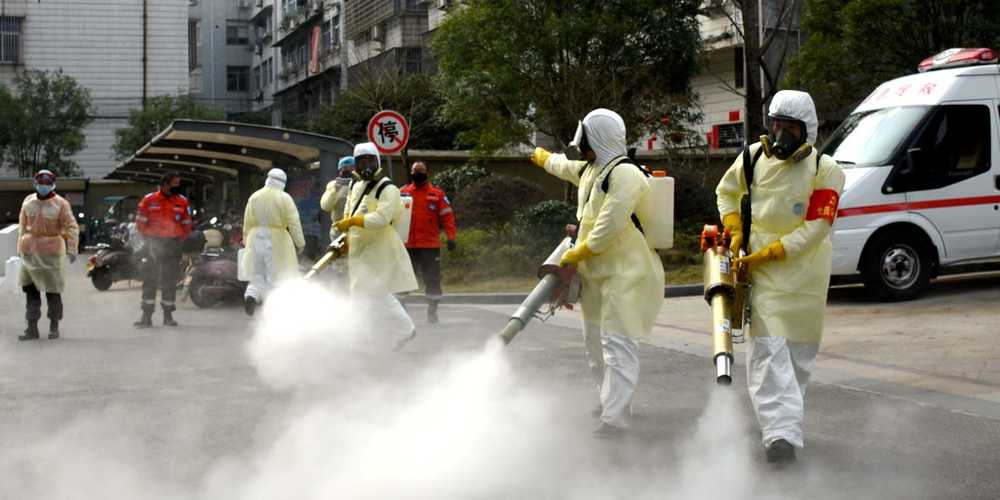
Chinese official house arrest their people under threat of coronavirus coronavirus-chinese-officials-lock-people-homes-ban-funerals-weddings-zhejiang.
In four cities that are home to more than 30 million people, each household is given a so-called passport. It permits one person to leave every two days.
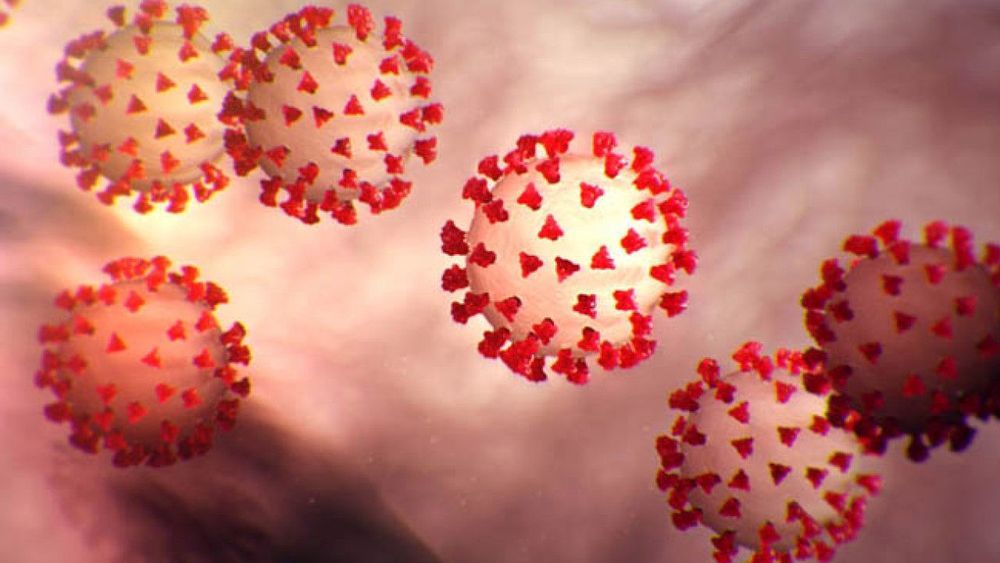
SANTA CLARA COUNTY, Calif. (KRON) — County officials have extended their declaration of a local health emergency in Santa Clara County due to the coronavirus outbreak.
Interactive Map: Track the coronavirus outbreak in real-time
Officials stressed that this does not mean there is an increased risk to the public.