Toggle light / dark theme

How the New Coronavirus Spreads and Progresses – And Why One Test May Not Be Enough

A novel coronavirus that first appeared in Wuhan, China, in December continues to sicken tens of thousands of people around the world – and scientists are working round the clock to better understand the virus, contain the outbreak, and treat the disease.

In the weeks since the outbreak, the disease has been named COVID-19 by the World Health Organization. (The virus itself has been named SARS-CoV-2 by the International Committee on Taxonomy of Viruses).

UC San Francisco infectious disease expert Charles Chiu, MD, PhD, has been following the disease since its outbreak and provided the latest updates on what science has revealed about how the coronavirus is transmitted, what happens to someone who’s infected, and why a single diagnostic test may not be enough.

Trump says coronavirus will ‘disappear’ eventually

Wuhan coronavirus pandemic — US strategic response.

“It’s going to disappear. One day it’s like a miracle, it will disappear,” said Trump.


President Donald Trump expressed optimism Thursday that the novel coronavirus would eventually be contained and eliminated in the United States, even as he acknowledged it could get worse first.

“It’s going to disappear. One day it’s like a miracle, it will disappear,” Trump told attendees at an African American History Month reception in the White House Cabinet Room. The World Health Organization says the virus has “pandemic potential” and medical experts have warned it will spread in the US.

The President added that “from our shores, you know, it could get worse before it gets better. Could maybe go away. We’ll see what happens. Nobody really knows.”

How resident microbes restructure body chemistry

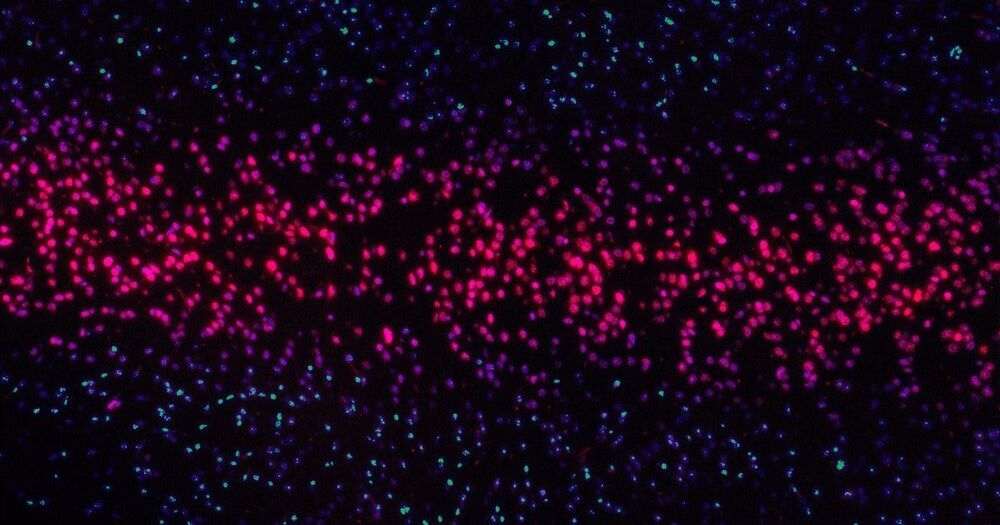
The team compared germ-free (sterile) mice and mice with normal microbes. They used a laboratory technique called mass spectrometry to characterize the non-living molecules in every mouse organ. They identified as many molecules as possible by comparing them to reference structures in the GNPS database, a crowdsourced mass spectrometry repository developed by Dorrestein and collaborators. They also determined which living microbes co-locate with these molecules by sequencing a specific genetic region that acts as a barcode for bacterial types.

In total, they analyzed 768 samples from 96 sites of 29 different organs from four germ-free mice and four mice with normal microbes. The result was a map of all of the molecules found throughout the body of a normal mouse with microbes, and a map of molecules throughout a mouse without microbes.

A comparison of the maps revealed that as much as 70 percent of a mouse’s gut chemistry is determined by its gut microbiome. Even in distant organs, such as the uterus or the brain, approximately 20 percent of molecules were different in the mice with gut microbes.

A woman took 550 times the usual dose of LSD, with surprisingly positive consequences

Drug overdoses can be life threatening, but for two women who accidentally took massive hits of LSD the experience was life changing — and in a good way.

A 46-year-old woman snorted a staggering 550 times the normal recreational dose of LSD and not only survived, but found that the foot pain she had suffered from since her 20s was dramatically reduced.

Separately, a 15-year-old girl with bipolar disorder overdosed on 10 times the normal dose of the drug, which she said resulted in a massive improvement in her mental health.

/* */