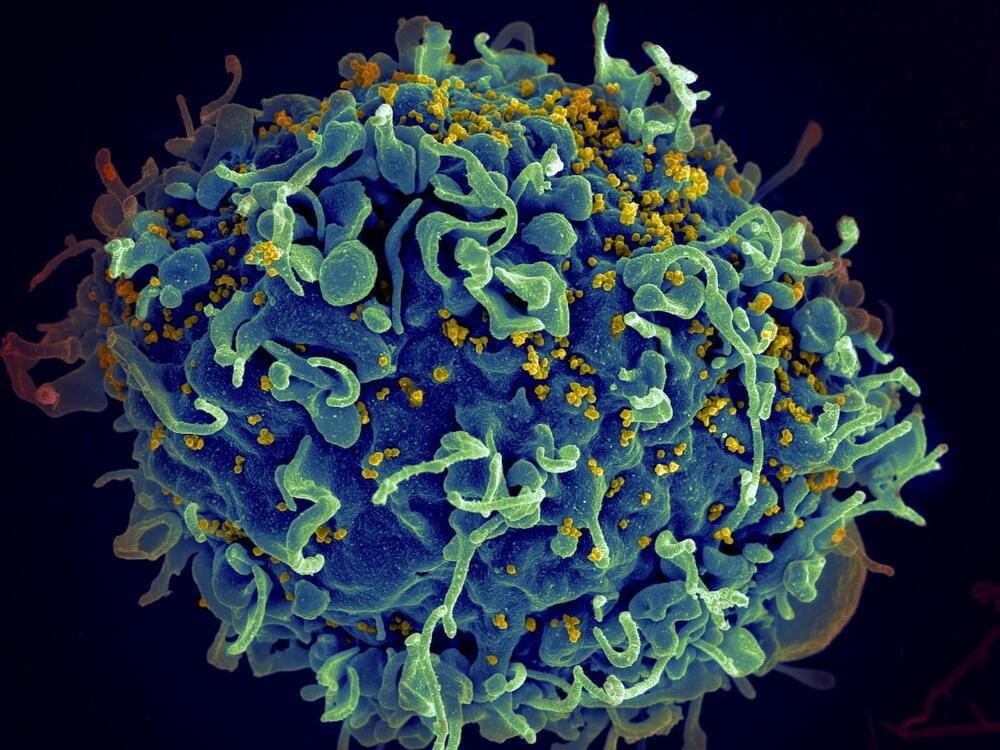
The man is among a handful who have gone into remission after the procedure, but it is not an option for most people.
Category: biotech/medical – Page 2,135

MIT system can fix your software bugs on its own (by borrowing from other software)
Circa 2015
New software being developed at MIT is proving able to autonomously repair software bugs by borrowing from other programs and across different programming languages, without requiring access to the source code. This could save developers thousands of hours of programming time and lead to much more stable software.
Bugs are the bane of the software developer’s life. The changes that must be made to fix them are often trivial, typically involving changing only a few lines of code, but the process of identifying exactly which lines need to be fixed can be a very time-consuming and often very frustrating process, particularly in larger projects.
But now, new software from MIT could take care of this, and more. The system, dubbed CodePhage, can fix bugs which have to do with variable checks, and could soon be expanded to fix many more types of mistakes. Remarkably, according to MIT researcher Stelios Sidiroglou-Douskos, the software can do this kind of dynamic code translation and transplant (dubbed “horizontal code transplant,” from the analogous process in genetics) without needing access to the source code and across different programming languages, by analyzing the executable file directly.

Fourth person ‘cured’ of HIV, but is a less risky cure in sight?
AIDS researchers announced on Wednesday that a fourth person has been “cured” of HIV, but the dangerous procedure for patients also battling cancer may be little comfort for the tens of millions living with the virus worldwide.
The 66-year-old man, named the “City of Hope” patient after the Californian center where he was treated, was declared in remission in the lead up to the International AIDS Conference, which begins in Montreal, Canada on Friday.
He is the second person to be announced cured this year, after researchers said in February that a US woman dubbed the New York patient had also gone into remission.
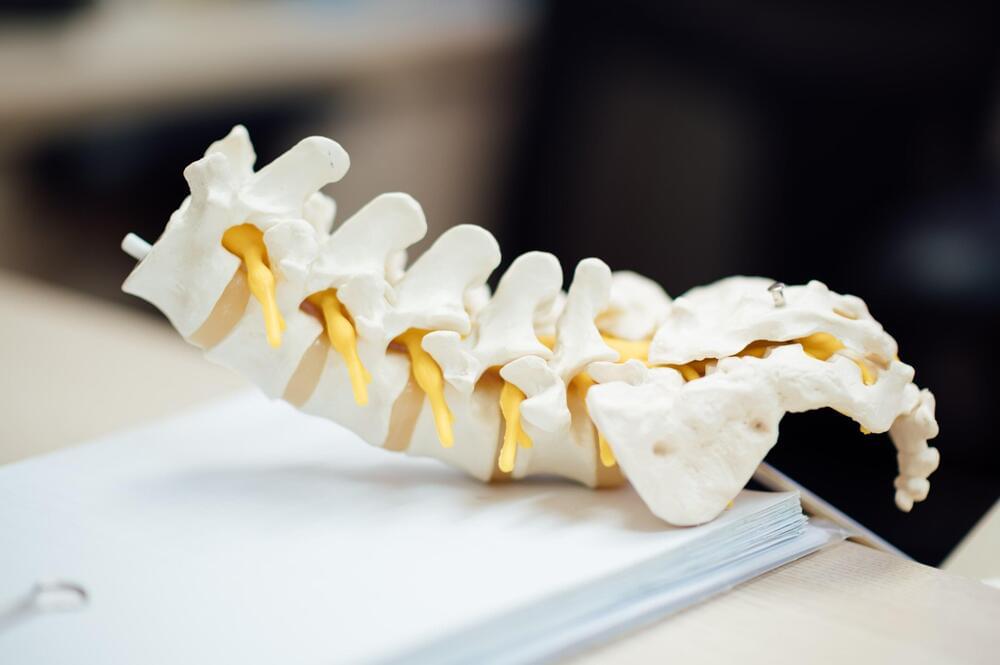
Research shows investigational drug fosters nerve repair after injury
𝐑𝐞𝐬𝐞𝐚𝐫𝐜𝐡 𝐬𝐡𝐨𝐰𝐬 𝐢𝐧𝐯𝐞𝐬𝐭𝐢𝐠𝐚𝐭𝐢𝐨𝐧𝐚𝐥 𝐝𝐫𝐮𝐠 𝐟𝐨𝐬𝐭𝐞𝐫𝐬 𝐧𝐞𝐫𝐯𝐞 𝐫𝐞𝐩𝐚𝐢𝐫 𝐚𝐟𝐭𝐞𝐫 𝐢𝐧𝐣𝐮𝐫𝐲
Scientists from the University of Birmingham have shown that a brain-penetrating candidate drug currently in development as a cancer therapy can foster regeneration of damaged nerves after spinal trauma.
The research, published today in Clinical and Translational Medicine, used cell and animal models to demonstrate that when taken orally the candidate drug, known as AZD1390, can block the response to DNA damage in nerve cells and promote regeneration of damaged nerves, so restoring sensory and motor function after spinal injury.
The announcement comes weeks after the same research team showed a https://medicalxpress.com/news/2022-05-spinal-cord-injury-treatment.html">different investigational drug (AZD1236) can reduce damage after spinal cord injury, by blocking the inflammatory response. Both studies were supported by AstraZeneca’s Open Innovations Program, which shares compounds, tools, technologies and expertise with the scientific community to advance drug discovery and development…
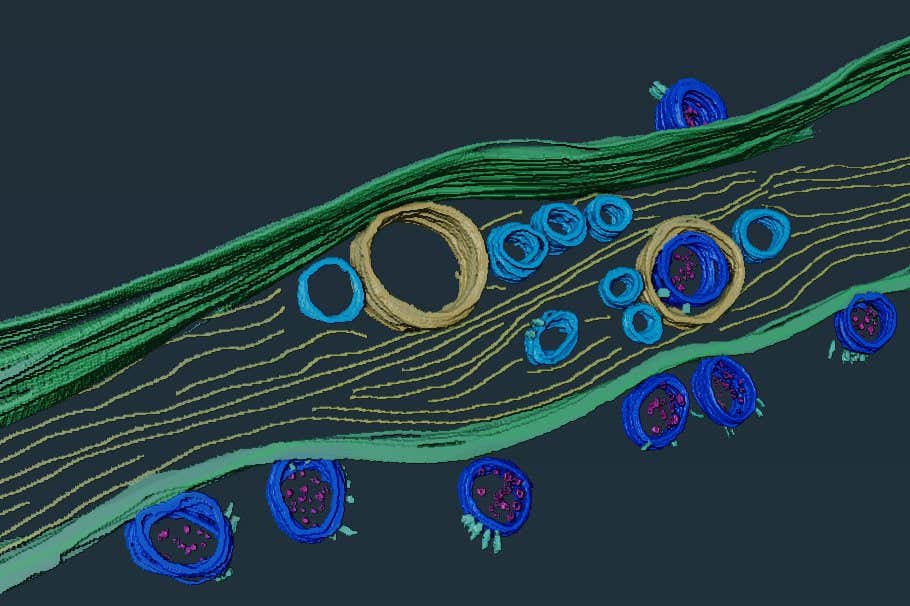
Coronavirus may enter the brain by building tiny tunnels from the nose
How the virus behind covid-19 enters the brain was somewhat of a mystery, but new evidence hints it may build tiny tubes from nose cells to brain cells that it can shuttle through.

Curing Debilitating Genetic Diseases: “Soft” CRISPR May Offer a New Fix for Genetic Defects
Targeted repairs with ‘nicks’ of single DNA
DNA, or deoxyribonucleic acid, is a molecule composed of two long strands of nucleotides that coil around each other to form a double helix. It is the hereditary material in humans and almost all other organisms that carries genetic instructions for development, functioning, growth, and reproduction. Nearly every cell in a person’s body has the same DNA. Most DNA is located in the cell nucleus (where it is called nuclear DNA), but a small amount of DNA can also be found in the mitochondria (where it is called mitochondrial DNA or mtDNA).
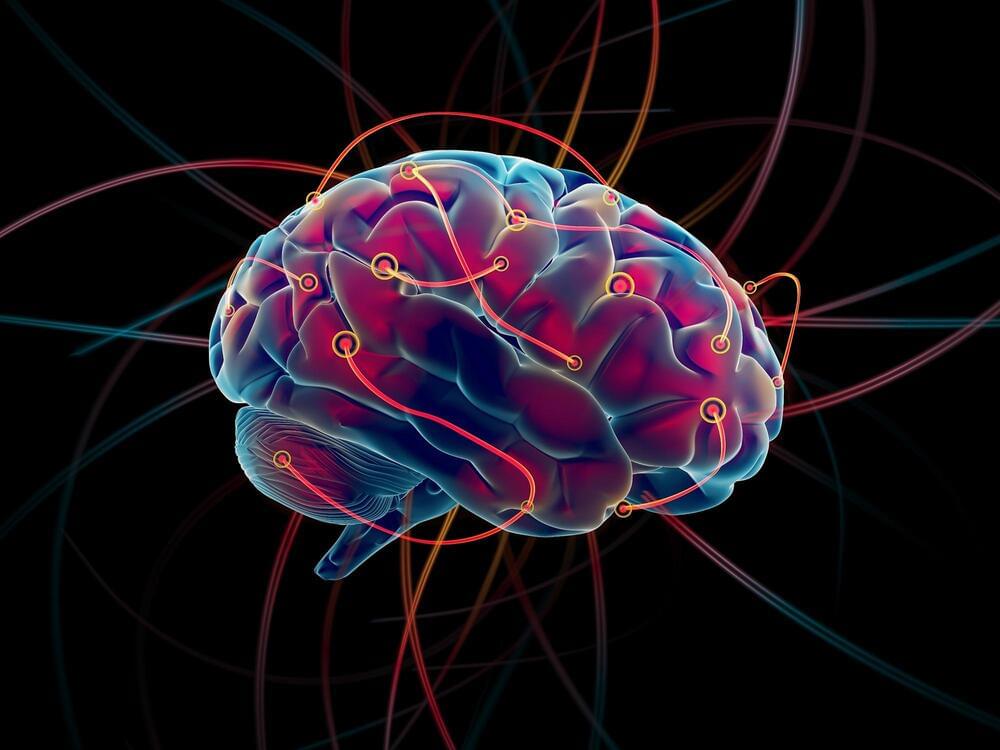
Diabetes and Heart Disease Can Double Your Risk of Dementia
People who have at least two of the conditions type 2 diabetes, heart disease, or stroke are twice as likely to develop dementia. Research from Sweden’s Karolinska Institutet that was published in the journal Alzheimer’s.
Alzheimer’s disease is a disease that attacks the brain, causing a decline in mental ability that worsens over time. It is the most common form of dementia and accounts for 60 to 80 percent of dementia cases. There is no current cure for Alzheimer’s disease, but there are medications that can help ease the symptoms.
House intelligence committee speaks about new DNA bio-weapons
US Rep Jason Crow, of the US House Intelligence Committee, warned that bio-weapons are being made that use a target’s DNA to only kill that person at a security forum on Friday.

Researchers recycle CDs into flexible biosensors
New research from Binghamton University, State University of New York offers a second life for CDs: Turn them into flexible biosensors that are inexpensive and easy to manufacture.
In a paper published this month in Nature Communications, Matthew Brown, Ph.D. ‘22, and Assistant Professor Ahyeon Koh from the Department of Biomedical Engineering show how a gold CD’s thin metallic layer can be separated from the rigid plastic and fashioned into sensors to monitor electrical activity in human hearts and muscles as well as lactate, glucose, pH and oxygen levels. The sensors can communicate with a smartphone via Bluetooth.
The fabrication is completed in 20 to 30 minutes without releasing toxic chemicals or needing expensive equipment, and it costs about $1.50 per device. According to the paper, “this sustainable approach for upcycling electronic waste provides an advantageous research-based waste stream that does not require cutting-edge microfabrication facilities, expensive materials or high-caliber engineering skills.”
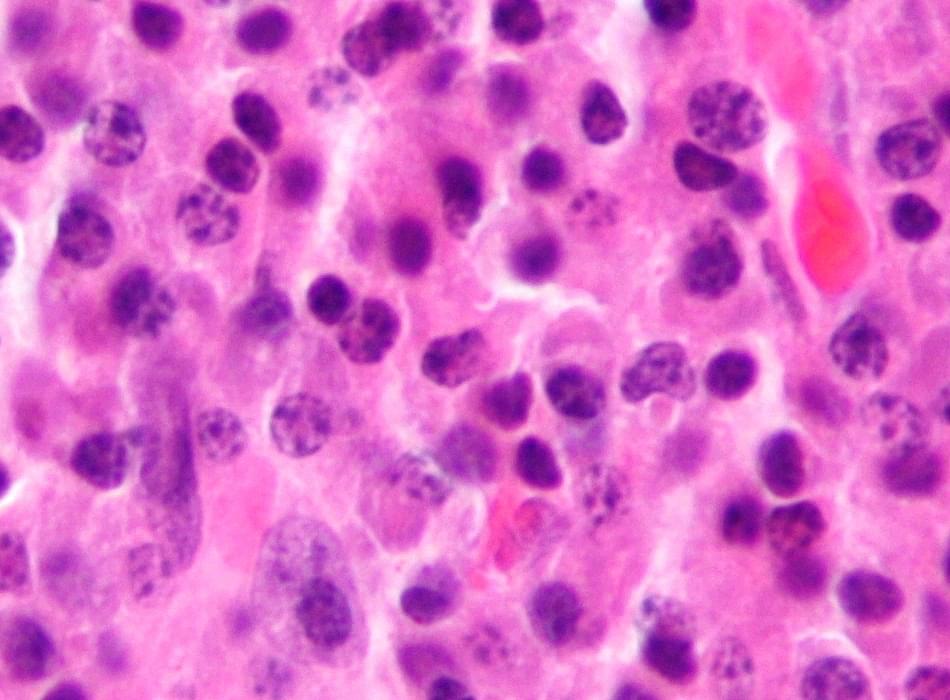
Researchers find link between genetic mutations and cancer treatment resistance
Researchers from the University of Michigan Rogel Cancer Center, studying the molecular landscape of over 500 patients with an aggressive form of multiple myeloma, discovered a prevalence of activated key oncogenic pathways in these patients, much more than previously thought. Upwards of 45–65% of NF-κB and RAS/MAPK pathways each had alterations. The study was published in Nature Communications.
Further, Arul Chinnaiyan, M.D., Ph.D., director of the Michigan Center for Translational Pathology, and his team found a link between mutations and RASopathies, a certain group of genetic syndromes, in patients with relapsed treatment-resistant multiple myeloma. This was the first observation of its kind.
The team compared the molecular makeup of patients with untreated multiple myeloma to those with the relapsed treatment-resistant version of the disease. Comparing these patients allowed researchers to describe drivers of the more aggressive form of multiple myeloma.