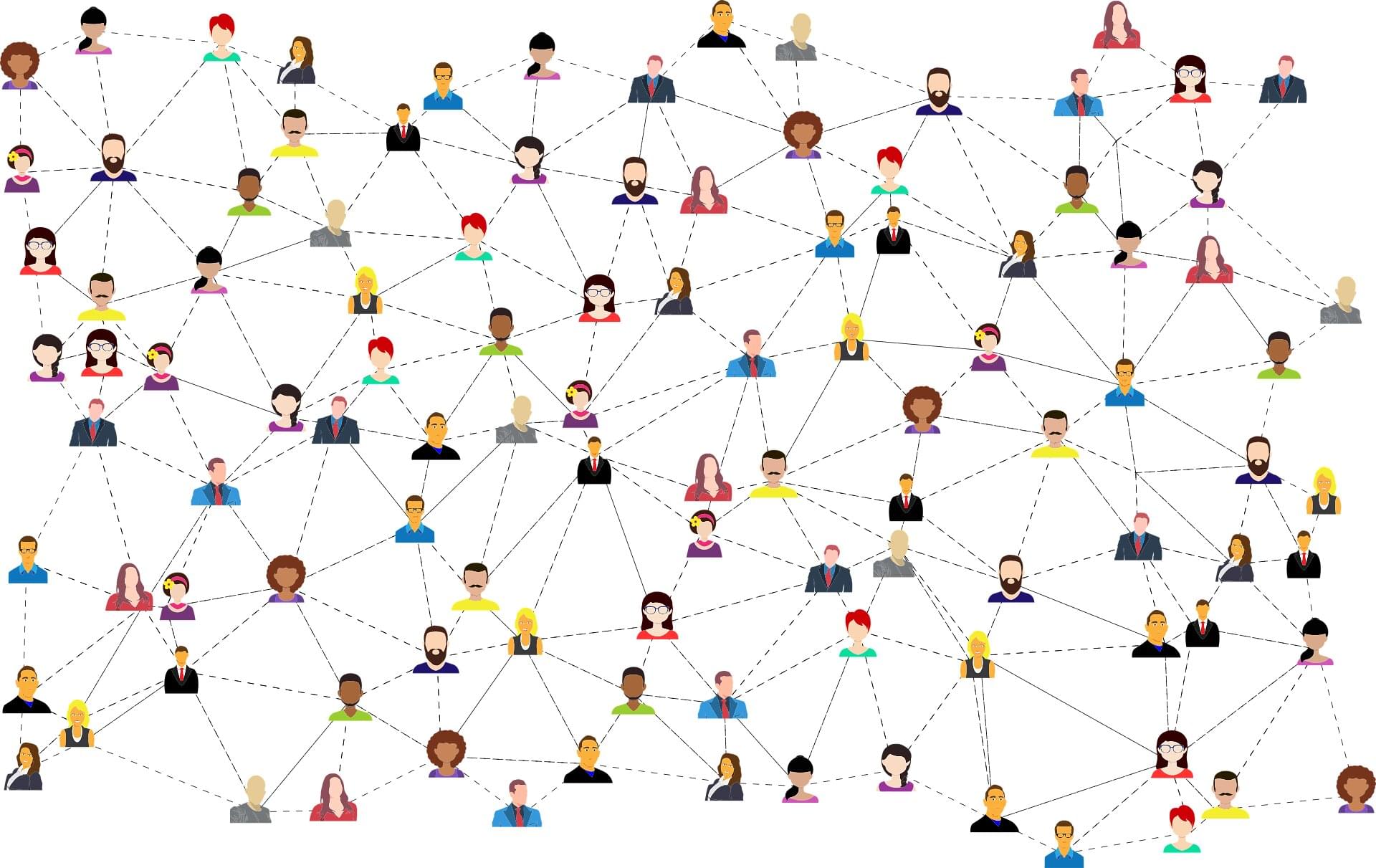
Social networks, intended to bring people together, can actually increase polarization, new research finds, because while the links in the network may be plentiful, they’re probably weak. A research team including Cornell sociologist Michael Macy has found that while the growing number of international contacts enabled by modern communications technologies may indeed contribute to greater polarization, as shown in previous studies, the underlying mechanism does not necessarily depend on an increase in close friendships. Instead, weaker social ties appear to play a more significant role, as they are more likely to foster hierarchical structures shaped by social status.
“The most important argument in our paper is the polarizing effect of ‘status-driven dynamics’ involving weak ties,” said Macy, with “status” referring to whether an individual holds another in high or low esteem. “The importance lies in the distinction between structural and ideological polarization.”