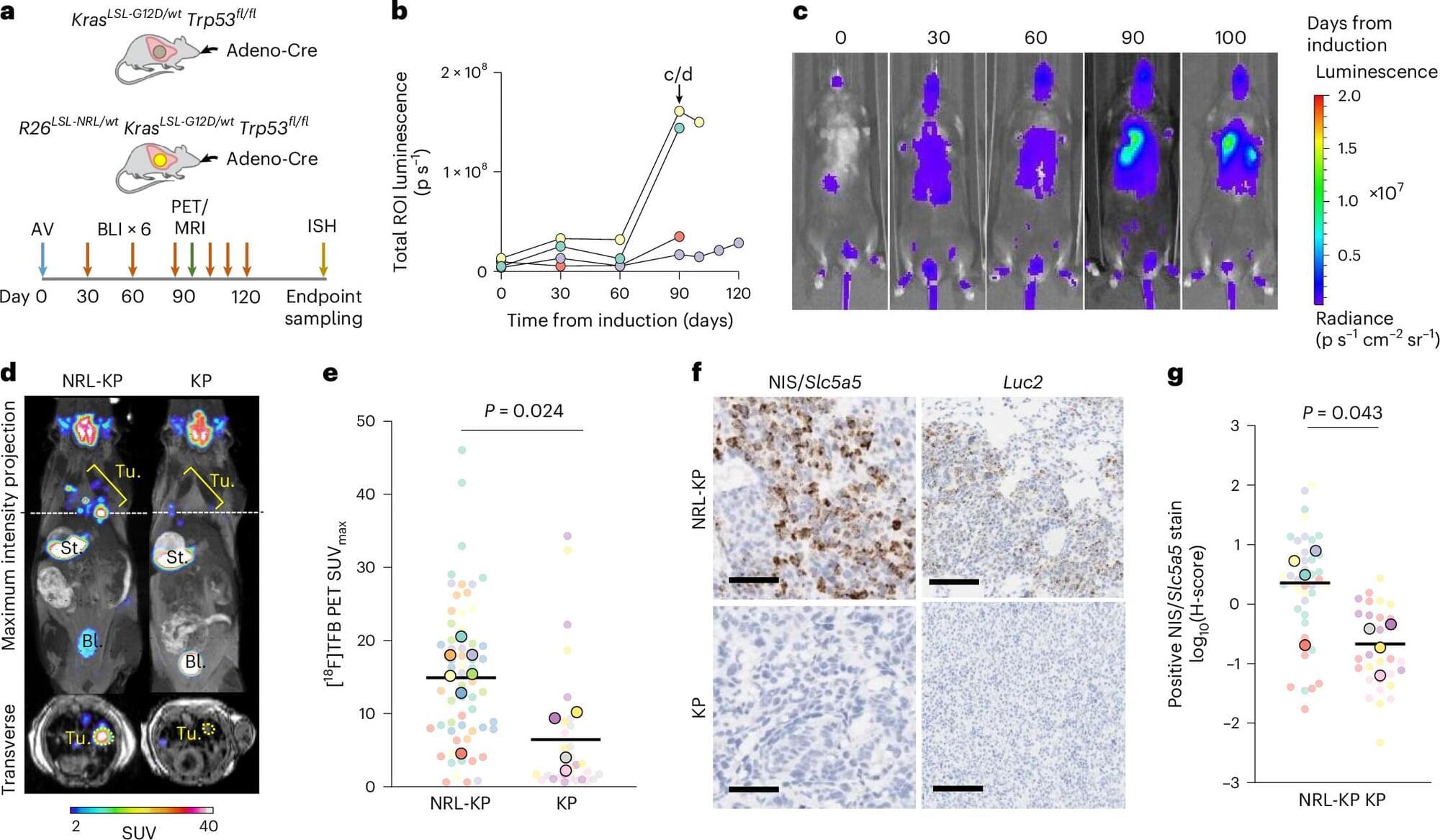
One of the biggest challenges in cancer research has been linking the “big picture” seen in medical scans with the microscopic biology that drives tumor growth and dictates how patients respond to treatment. Now, by combining multiple imaging techniques (PET scans, bioluminescence and fluorescence), scientists can detect tumors across the whole body simultaneously, pinpoint key targets and then examine those tumors in detail, including the surrounding cells and tissue.
Study lead Professor David Lewis of the Cancer Research UK Scotland Institute and University of Glasgow said, This exciting technology allows us to build a clearer map of how cancer behaves at both a holistic and microscopic level.
It allows researchers to follow tumors in the body, identify the lesions that matter and then zoom in to study those cancer cells and their environment, giving us new information about cancer that we can take forward into better and more precise treatments.