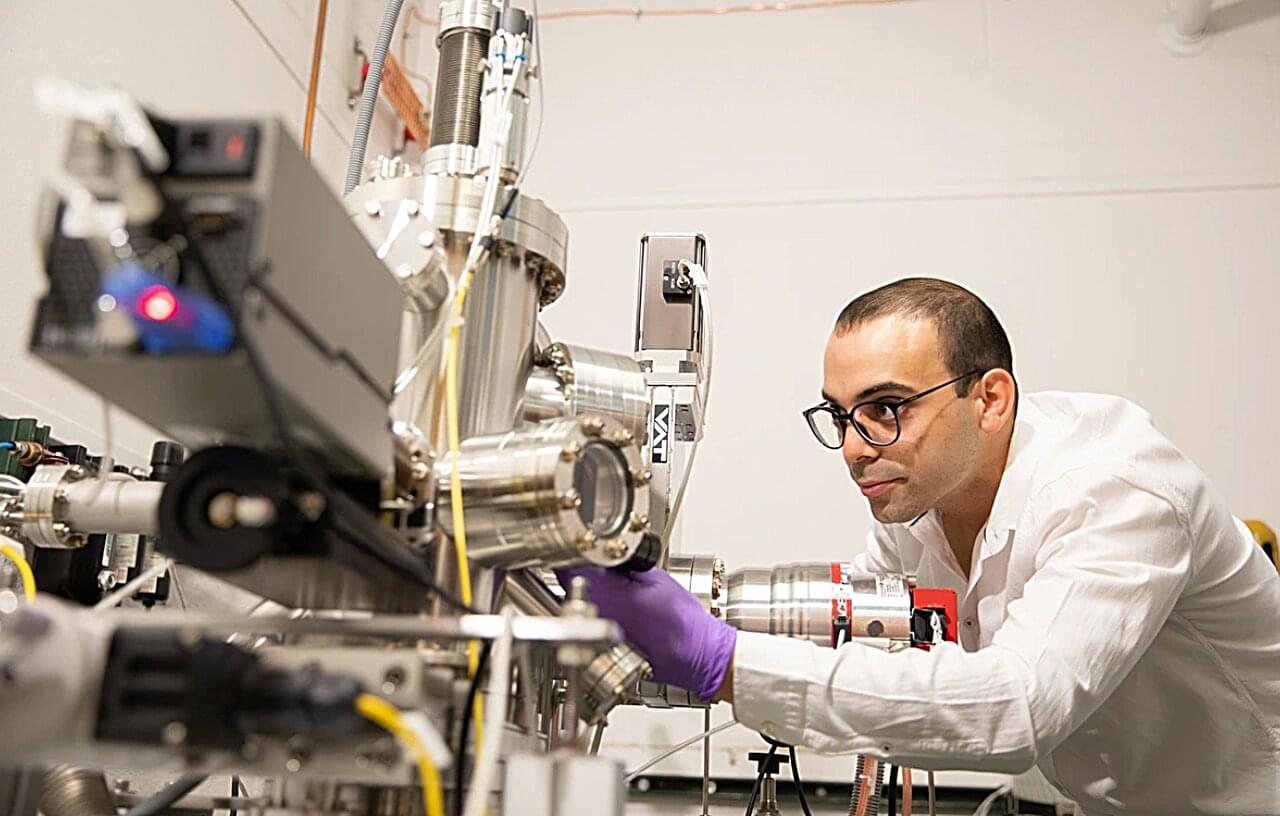
University of Arizona researchers have demonstrated a promising new application for graphene nanoribbons, a nanoscale semiconductor material with the potential to withstand extreme environments. The team’s findings could help clear a key hurdle to bringing fusion energy to the electric grid.
For the proof-of-concept study, published in the journal ACS Applied Materials & Interfaces, the researchers integrated the nanoribbons, known as GNRs, into semiconductor devices and exposed them to gamma radiation. Their results suggest that the ribbons could serve as radiation sensors for fusion reactors and in deep space, where intense radiation challenges existing technologies and close monitoring of material degradation could help keep critical systems operating reliably.
“The devices survive the exposure and still respond, but their electrical performance changes dramatically,” said principal investigator Zafer Mutlu, an assistant professor of materials science and engineering at the University of Arizona College of Engineering. “That’s exactly the behavior we want from a sensor.”