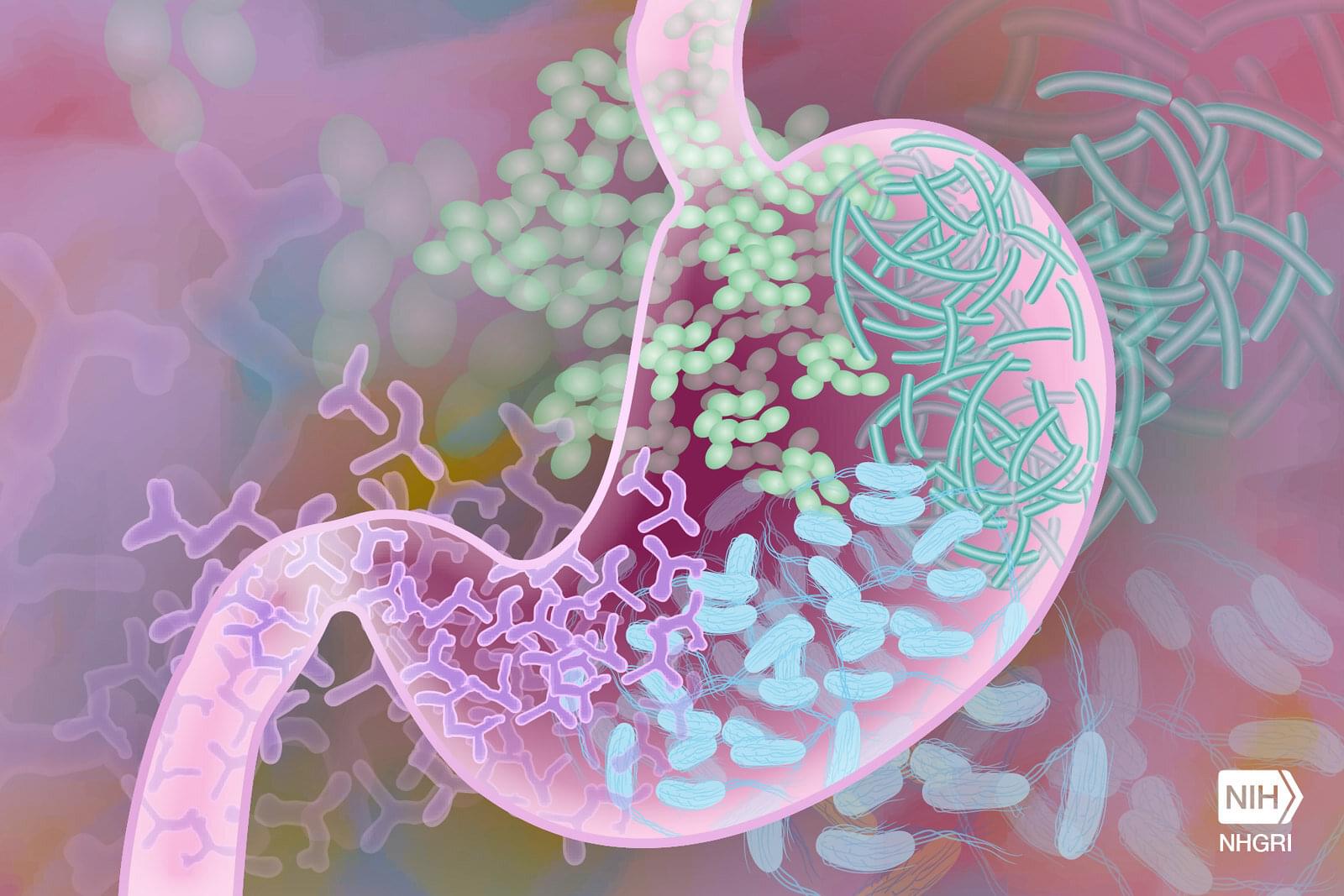
The origin of neurodegenerative diseases like Alzheimer’s or dementia isn’t limited to the brain. The state of your gut can quietly set off a cycle of chronic, system-wide inflammation that nudges the brain toward cognitive decline. But how does the pathogenesis of a disease that seems purely brain-based begin in the gut—an organ that is mostly busy producing chemicals for digesting food?
It turns out these two entities are linked by the gut-brain axis, a two-way communication superhighway that constantly sends signals between the digestive tract and the central nervous system. It runs on chemical messengers like neurotransmitters and fatty acids, sharing information that shapes our memory, mood, and inflammation triggers.
An analysis of 15 studies involving more than 4,200 participants found that the gut-brain highway can be put to work as a drug-free route to support cognitive health. Tuning the gut microbiota through diet, supplements, or medical interventions such as fecal microbiota transplantation (FMT) can help improve memory, executive function, and overall cognitive performance, particularly in early or mild cases of cognitive impairment.