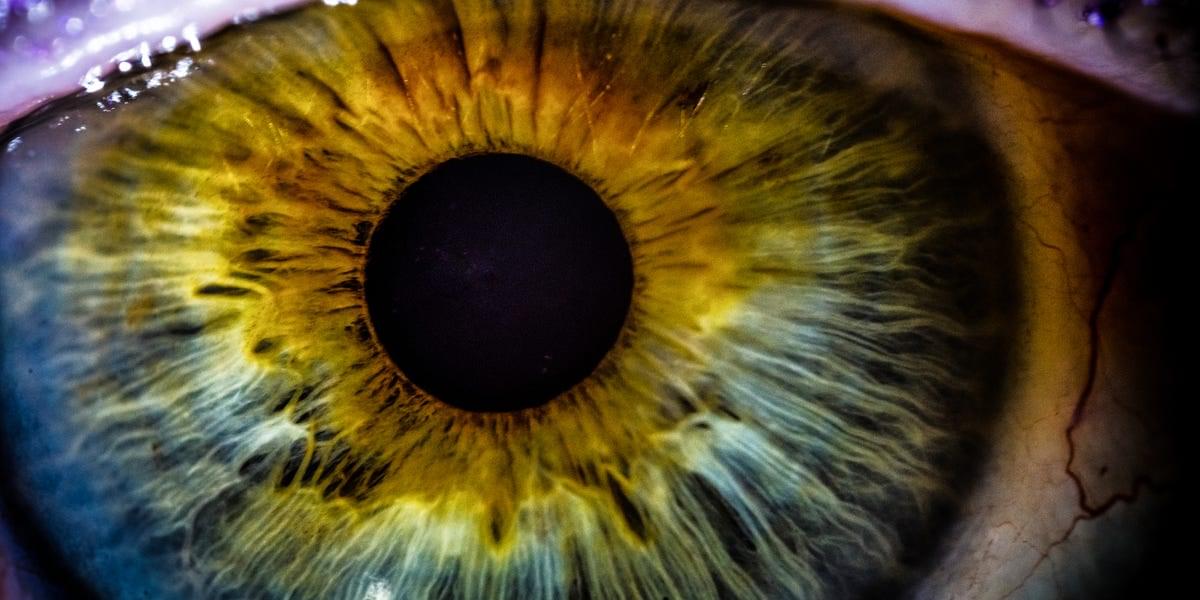
And the first human trial is underway.
Get the latest international news and world events from around the world.

Cameras in space could help spot invasive plants on Earth
The trick lies in how the leaves of different species reflect light
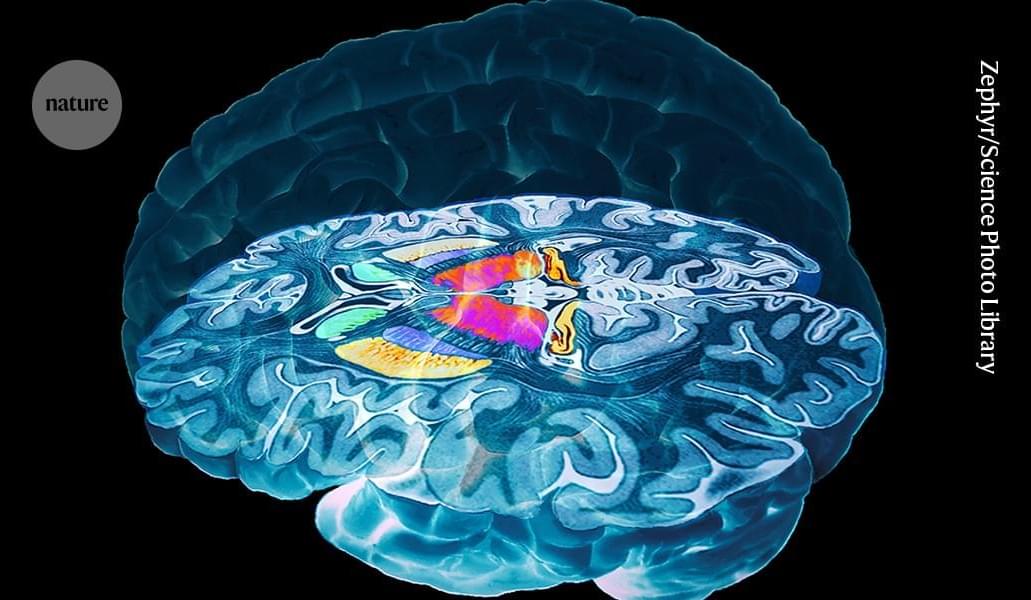
Massive atlas of brain region linked to a host of diseases is the most detailed yet
A global team profiled nearly 26 million brain cells from the basal ganglia to build a cross-species reference database that will help to understand conditions from Parkinson’s disease to addiction.
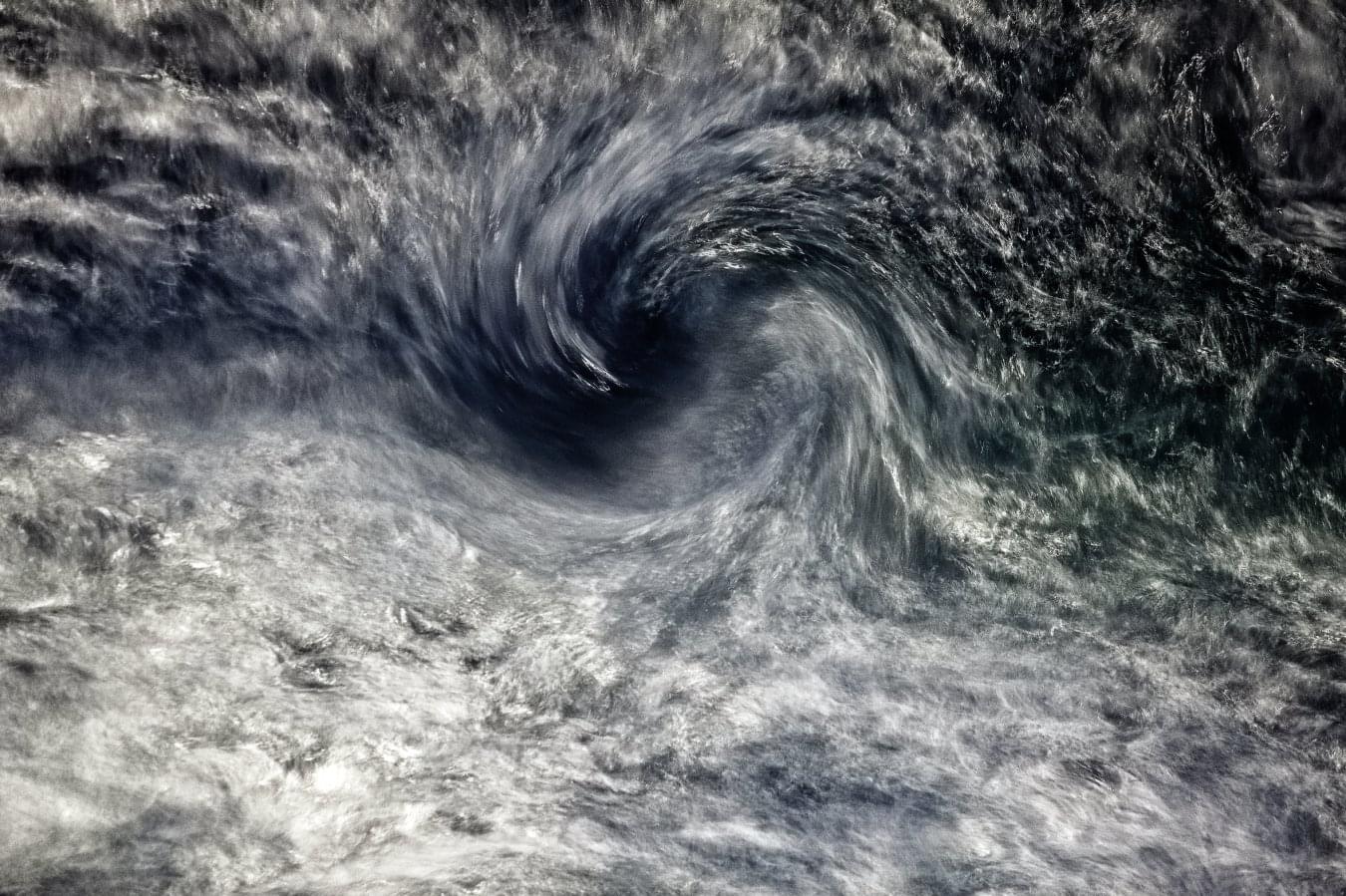
Extraordinary image of bioluminescent plankton captured by photographer
Tom Fecht’s photo, titled Lucifer’s Vortex and part of the touring Storm exhibition from the Prix Pictet award, shows light from plankton mixing with reflections of moonlight in a wave in Brittany
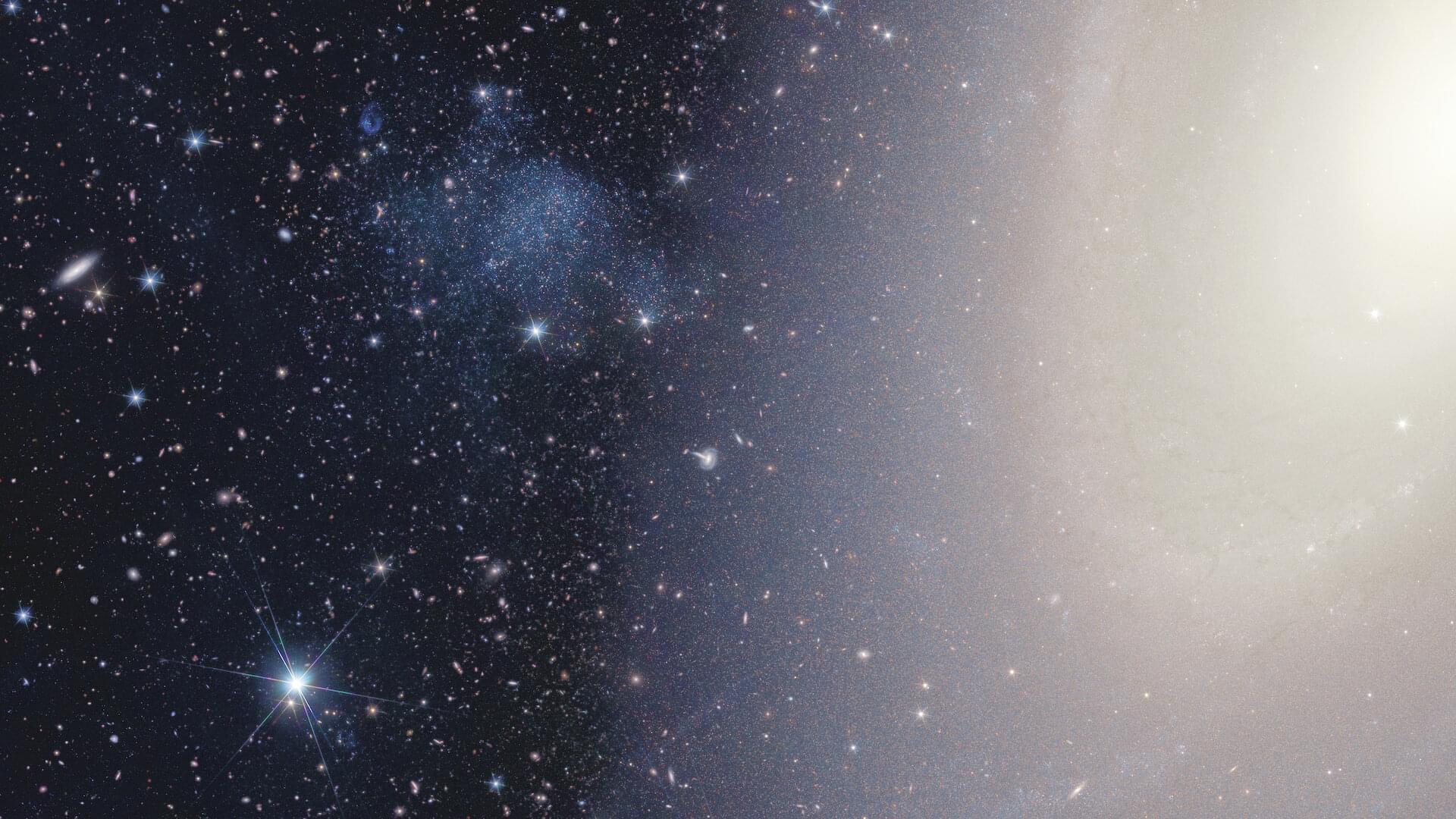
Dark matter–hunting satellite Euclid reveals record number of cosmic ‘magnifying glasses’
UBC researchers have helped uncover 15,000 new potential strong gravitational lenses—the largest collection of these cosmic tools that help astronomers investigate dark matter.
The first major release of data from the European Space Agency’s Euclid space telescope comprises 1.7 million gigabytes of data. Analysis by a global consortium of more than 2,000 scientists, including more than 30 Canadians, revealed more than 900 million galaxies and 60 million quasars—the brilliant cores of distant galaxies—across almost 5% of the entire night sky from 13 months of observation.
“Strong lenses have been difficult to find—the odds were about 1 in 10,000,” said co-author Hrishabh Srivastava, a doctoral student in the UBC department of physics and astronomy (PHAS). “Before Euclid, we had fewer than 1,000 confirmed strong lenses. Now we have 15,000 new candidates.”
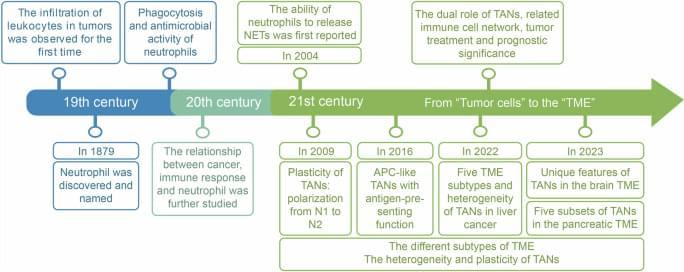
Therapeutic potential of tumor-associated neutrophils: dual role and phenotypic plasticity
Zhou, Y., Shen, G., Zhou, X. et al. Therapeutic potential of tumor-associated neutrophils: dual role and phenotypic plasticity. Sig Transduct Target Ther 10, 178 (2025). https://doi.org/10.1038/s41392-025-02242-7
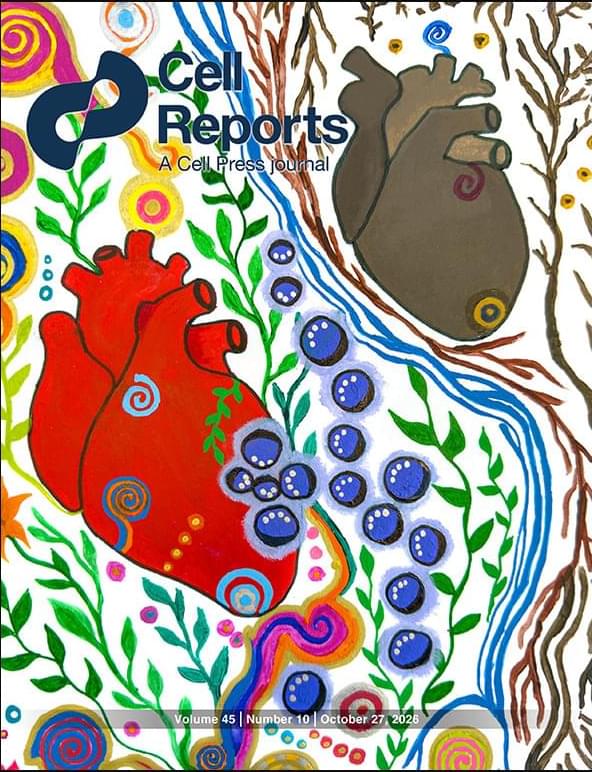
Graph theory identifies altered prefrontal microcircuit organization in Shank3 mice, a mouse Model of autism
Liu et al. applied graph theory to miniscope in vivo calcium imaging data from wild-type and Shank3 fx mice (a mouse model of autism). They identified a less integrated, rigid network topology in the prelimbic cortex of the Shank3 fx mice.
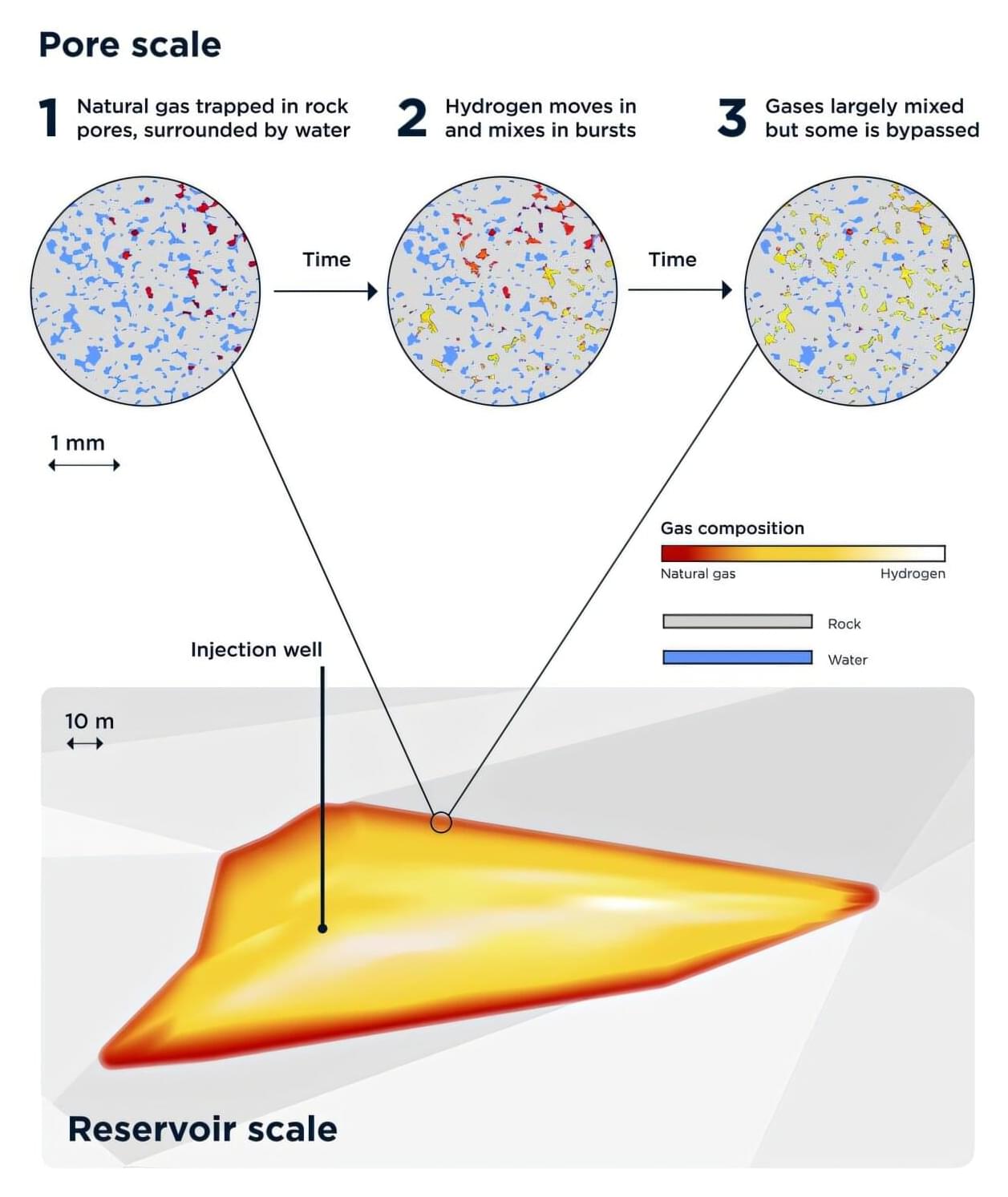
The hidden gatekeeper: How water in tiny rock pores shapes underground energy storage
Storing renewable energy on a large scale is one of the biggest challenges facing the energy transition.
Without it, excess renewable power is lost on sunny, windy days and unavailable when the sun sets and the wind drops. CSIRO estimates that Australia’s National Electricity Market could need 10 to 14 times more storage between 2025 and 2050, drawing on a diverse mix of technologies.
Increasingly, attention is turning underground, with the International Energy Agency reporting that projects worldwide could store 11 terawatt-hours of hydrogen by 2035, about 30 times the energy Snowy 2.0 is designed to hold. Depleted gas fields, like those being assessed in Victoria’s H2RESTORE project, could store renewable hydrogen made from surplus wind and solar power. The hydrogen could be converted back to electricity months later, complementing short-duration battery storage.
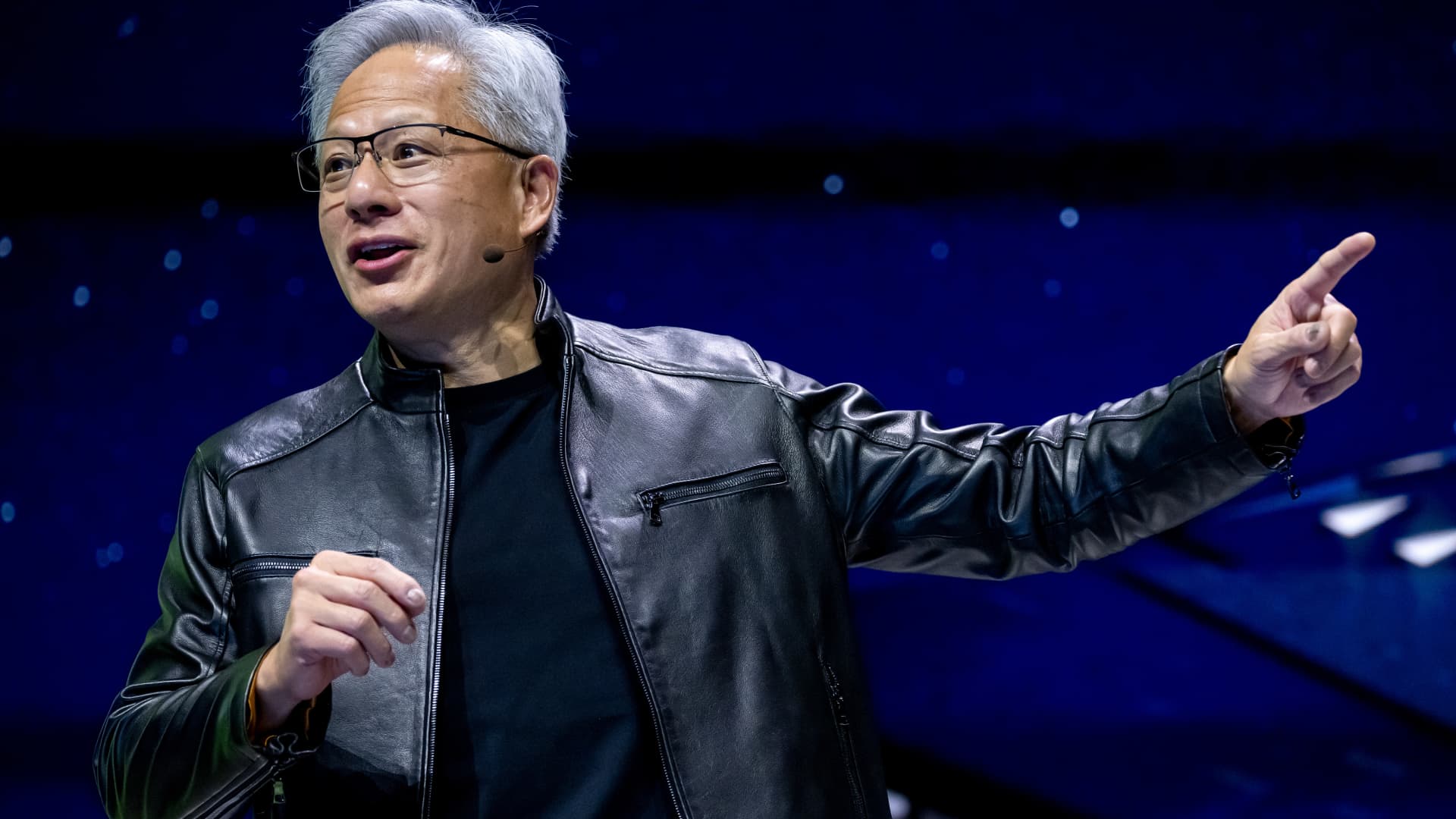
The tech world’s calls for Jensen Huang to return to Nvidia are growing
An online petition calling for Jensen Huang’s reinstatement as CEO of Nvidia has drawn more than 160,000 signatures following his resignation last week.
The “Stand with Jensen” campaign has attracted support from Tesla CEO Elon Musk, Epic Games CEO Tim Sweeney and Y Combinator CEO Garry Tan, according to the petition’s website, which notes that affiliations are self-reported and not verified.
The growing campaign to reinstate Huang coincides with reports that he is considering a comeback: cnb.cx/4t2o4o8
Calls for Jensen Huang’s return as Nvidia CEO are growing, with tech executives and major shareholders backing a potential comeback following his resignation.
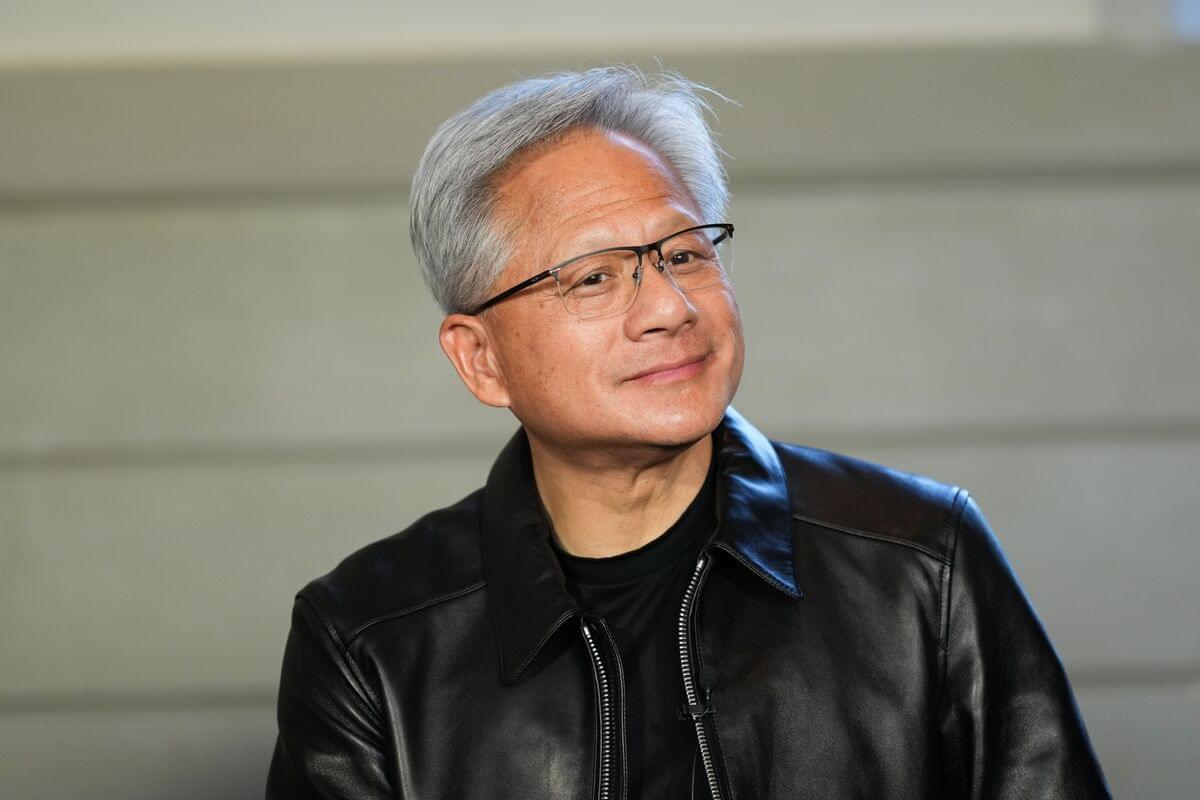
Huang Discusses Comeback as Nvidia Chief With Allies, Report Says
Ousted Nvidia CEO Jensen Huang is discussing a possible comeback to the company just days after the board of directors pushed him out, according to a report:
📷: Erik Flyg/Bloomberg
Ousted Nvidia Corp. chief executive officer Jensen Huang is discussing a possible comeback to the company just days after the board of directors pushed him out, the Financial Times reported.
Huang, who admitted having an affair with a suspected Chinese spy and was reported to have another with an Nvidia vice president, has been discussing the idea of returning as several Silicon Valley allies have begun lobbying for him to come back, the newspaper reported.