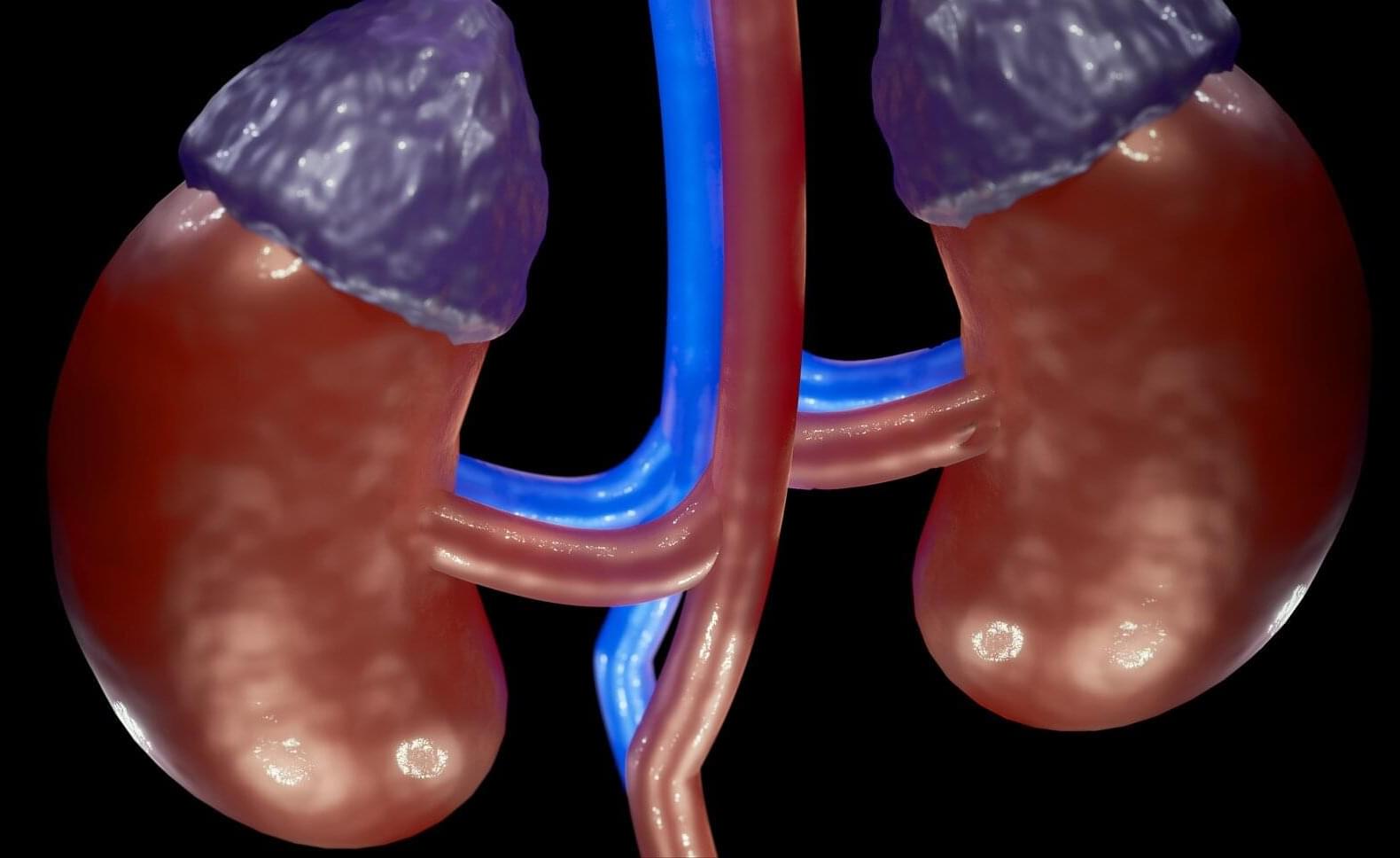
A major new study, published in The Lancet Diabetes & Endocrinology, has shown that cortisol levels in patients with adrenal tumors are far less stable than previously assumed. The study also found that those in whom cortisol remains persistently elevated carry a significantly greater risk of worsening high blood pressure and a heavier overall cardiometabolic burden.
Cortisol, often referred to as the “stress hormone,” is a steroid hormone produced by the adrenal glands that acts as a master regulator of metabolism, blood pressure and immune function. When benign tumors form on the adrenal glands (found incidentally in 3%–7% of adults), they can cause the body to produce cortisol independently of normal regulatory controls, a condition known as mild autonomous cortisol secretion (MACS).
Until now, it was unclear how cortisol levels in these patients change over time, and what that means for their long-term health.