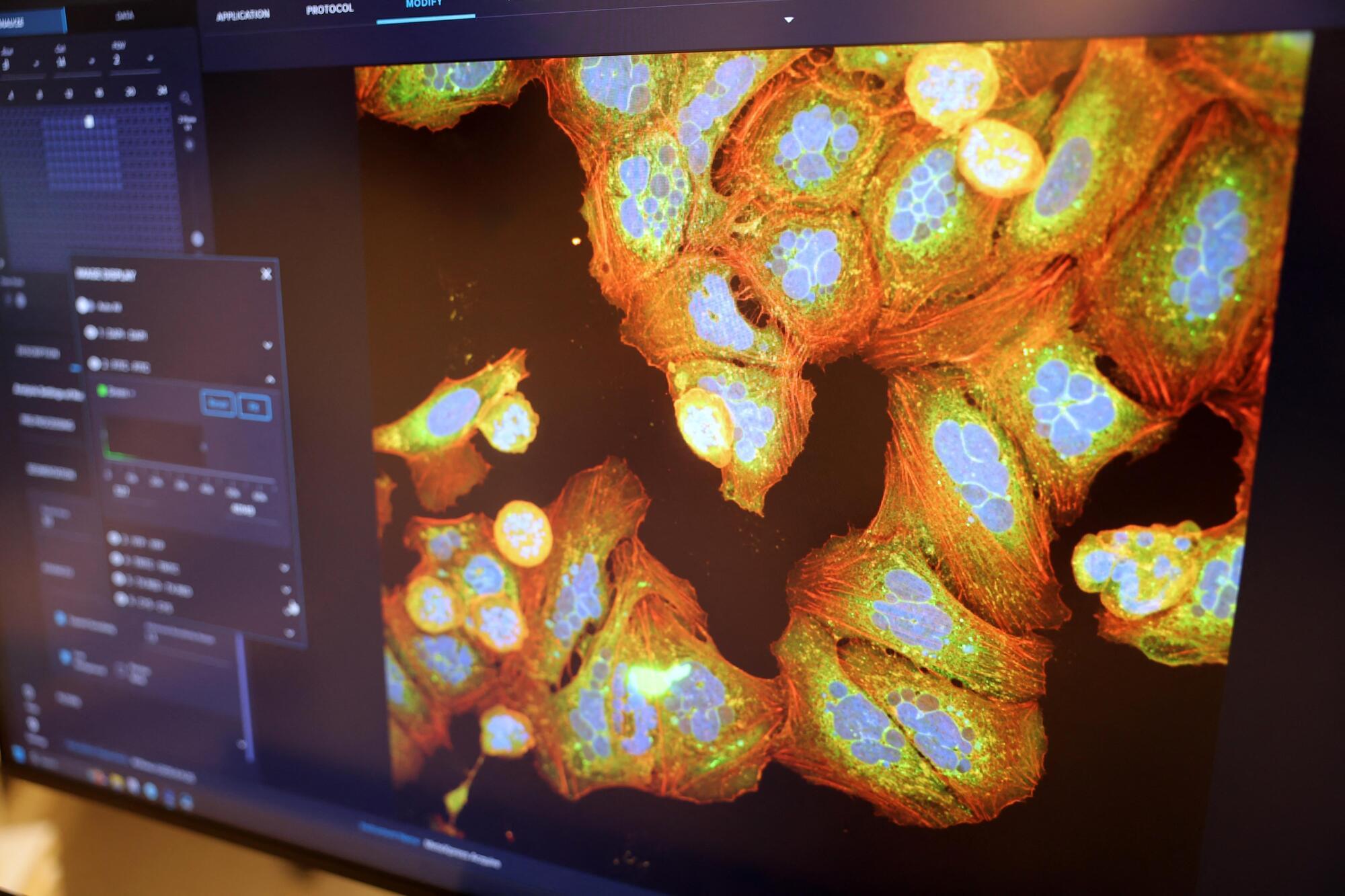
The researchers then tested BA-101 together with temozolomide and found that the combination was more effective than either treatment alone. In experiments using mouse models, the combined therapy significantly reduced tumor growth, suggesting that targeting the cancer cells’ resistance mechanism could make existing chemotherapy more powerful.
“Temozolomide resistance remains one of the biggest obstacles in treating glioblastoma,” said Amal. “Our findings suggest that targeting nitrosative stress can restore the tumor’s sensitivity to treatment. While additional studies are needed before this approach can reach patients, these results open an exciting new direction for developing more effective therapies against one of the deadliest cancers.”
The researchers said their findings could point to a new approach in cancer treatment: instead of replacing existing drugs, future therapies could focus on blocking the mechanisms that allow tumors to resist them. If further studies confirm the findings, disabling these survival pathways could allow treatments that have become less effective to regain their ability to attack cancer cells.