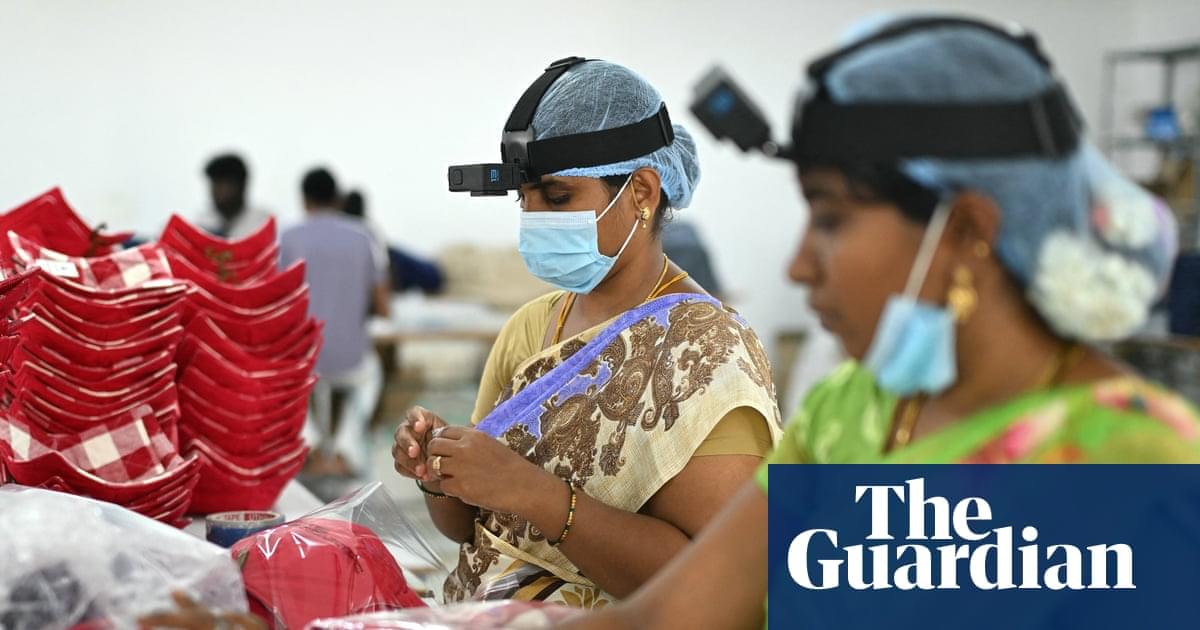
As Lalita sat stitching shirts and trousers, the camera recorded everything: the rhythm of her hands guiding cloth through the sewing machine; the precision with which she aligned collars and seams; the speed at which her fingers corrected folds and imperfections; even interactions with colleagues. ‘We found it funny at first, because of how we all looked with that headgear,’ she says.
But the atmosphere on the factory floor soon started to change. Worried that their productivity was being monitored, workers became more conscious of their movements. Conversations that would ordinarily unfold across sewing lines grew quieter. Some paid greater attention to their work, wary that every mistake, pause or distraction could be captured on camera.
What Lalita and her colleagues did not know was that their daily routines were being captured as part of a growing effort by companies in India to collect first-hand data from factory floors, information increasingly valuable in the race to automate industrial work.
First-person recordings of human movements and interactions are called egocentric data and are vital for training robots that might one day replace humans on the production line.
When workers had cameras attached to them, they found it funny at first. But novelty soon turned to concern.