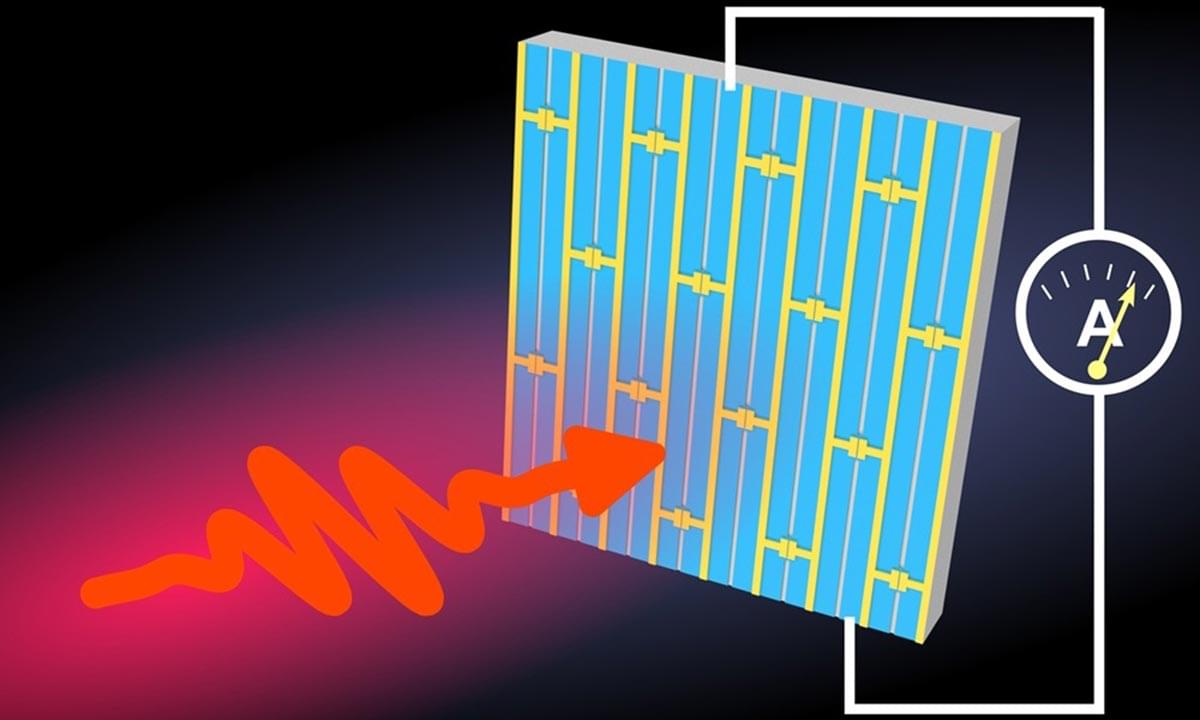
The researchers believe the technology could eventually operate at temperatures higher than those required by many competing detector designs. Similar PETS devices have already demonstrated performance at temperatures reachable using compact cryocoolers rather than liquid helium.
That capability could help fill the gap between highly sensitive cryogenic detectors and lower-sensitivity room-temperature technologies, potentially expanding the range of real-world applications.
The study marks the first demonstration of a quantum metasurface photodetector based on a two-dimensional electron system. By combining efficient light collection with a highly sensitive quantum detection mechanism, the work represents a significant step toward overcoming long-standing challenges in terahertz technology.