An irresistible urge to move the legs or other areas, often accompanied by unpleasant sensations at night or during rest: Restless Legs Syndrome (RLS) affects millions of people worldwide. Despite being one of the most common sleep-related disorders, its biological causes remain poorly understood.
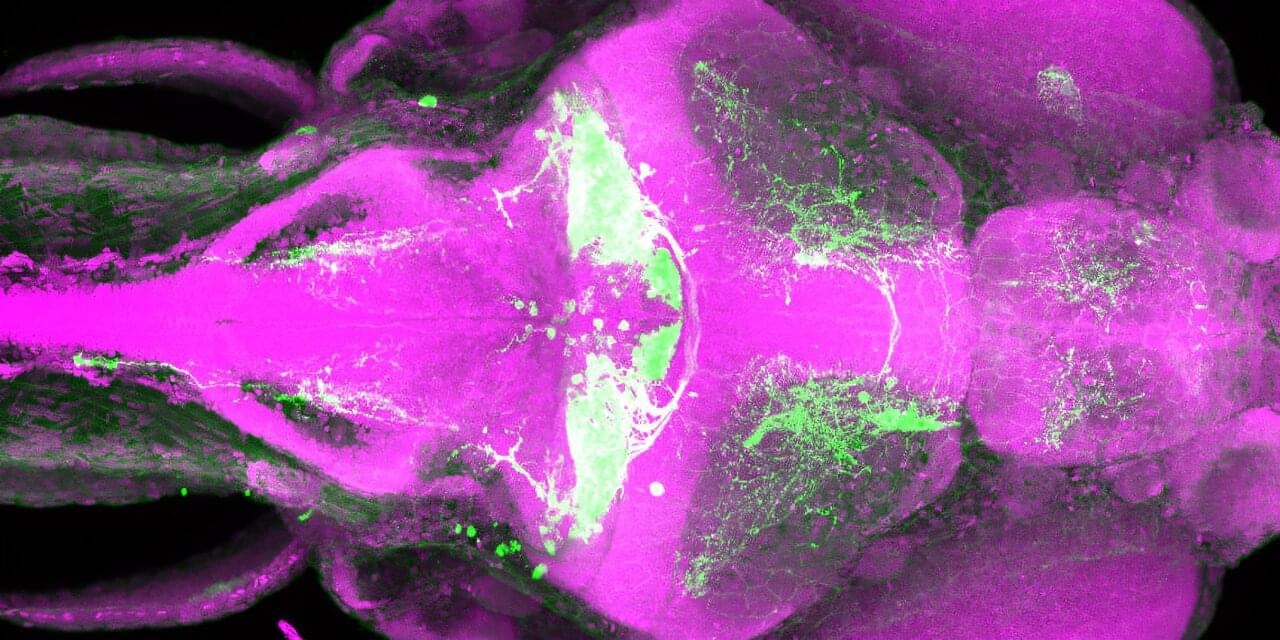
Researchers led by Professor Alex Schier at the Biozentrum of the University of Basel have discovered new clues about the underlying brain regions and mechanisms. Surprisingly, their findings come from an unlikely model organism: larval zebrafish.
“Studies in humans have implicated many different brain regions, but it remains unclear how they relate to RLS,” says Schier. “Our work highlights possible contributions from the cerebellum, a brain region crucial for coordinating movement.”