Superconductors, materials that conduct electricity with zero electrical resistance at specific temperature ranges, have proved very promising for the development of quantum computers and other cutting-edge technologies. While most of these materials become superconducting at very low temperatures, others exhibit superconductivity at higher temperatures.
Two types of materials that are known to be high-temperature semiconductors are cuprates (i.e., compounds containing negatively charged copper ions) and nickelates (i.e., compounds that contain negatively charged nickel-oxygen ions). While cuprates have been known to be superconductors for decades, nickelates were only recently found to exhibit superconductivity at unusually high temperatures.
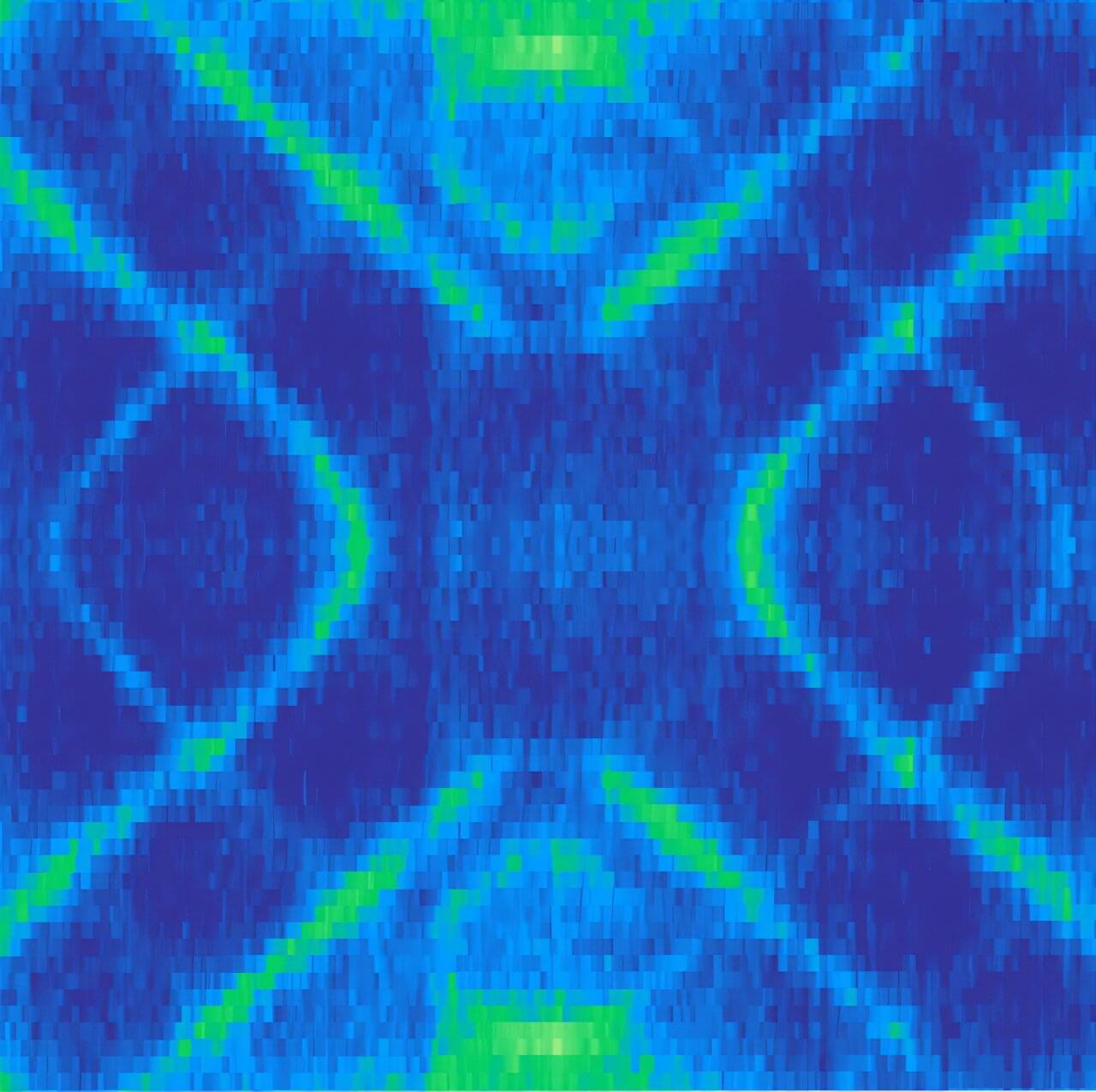
Researchers at University of British Columbia (UBC), Argonne National Laboratory, and the Canadian Light Source (CLS), carried out a study aimed at better understanding how the electronic structure of nickelates contributes to their superconductivity.