Tracking the brain’s blood flow during neurosurgery represents one of the most critical and challenging parts of the operation. A brief interruption can mean the difference between permanent damage and full recovery, but it’s difficult to track blood flow across the surgical field.
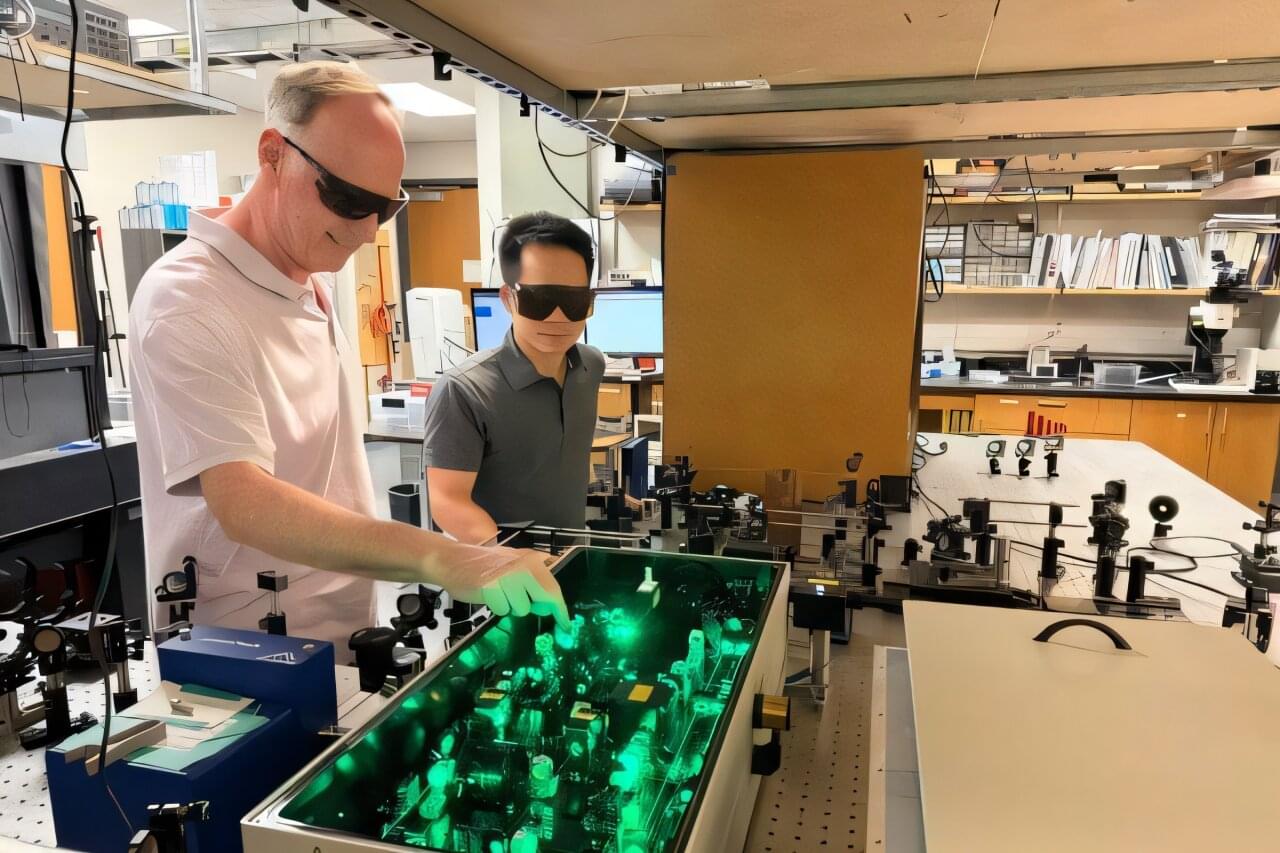
Now, researchers at The University of Texas at Austin have developed a new way to monitor blood flow with standard camera hardware. The method, called sinusoidal intensity modulation speckle imaging (SIMSI), uses the physics of dynamic light scattering to image blood flow noninvasively, across a wide field of view and without high-speed cameras. The paper is published in the journal Proceedings of the National Academy of Sciences.