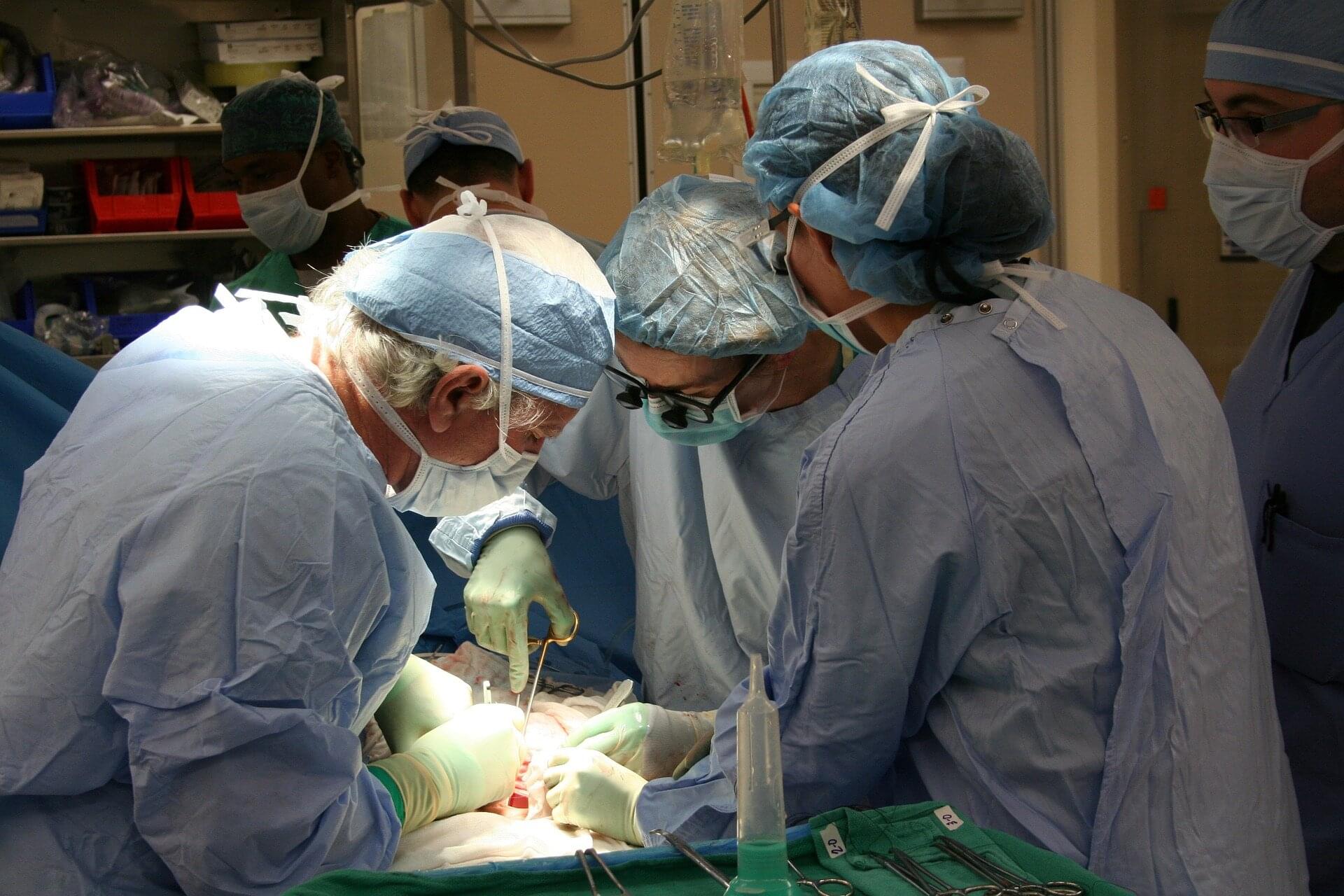
A pioneering clinical trial has successfully enabled two patients with end-stage kidney disease to receive previously improbable kidney transplants. These individuals were considered among the most difficult in the nation to match with a compatible donor kidney due to harmful antibodies they had developed (“sensitized”).
Researchers at the University of Pennsylvania (Penn) used chimeric antigen receptor (CAR) T-cell therapy, originally developed at Penn for treatment of blood cancer, to significantly reduce the level of harmful immune antibodies in these two highly sensitized patients, making kidney transplantation possible after years of waiting. The study’s findings appear in the New England Journal of Medicine.
“This is the first demonstration that CAR T cells can be used not only to treat cancer, but also to help patients who previously had no opportunity to receive a compatible donor kidney,” said Ali Naji, MD, Ph.D., the Jonathan E. Rhoads Professor of Surgery and principal investigator of the study. “For patients who have spent years on the kidney transplant waiting list, this approach could be transformative.”