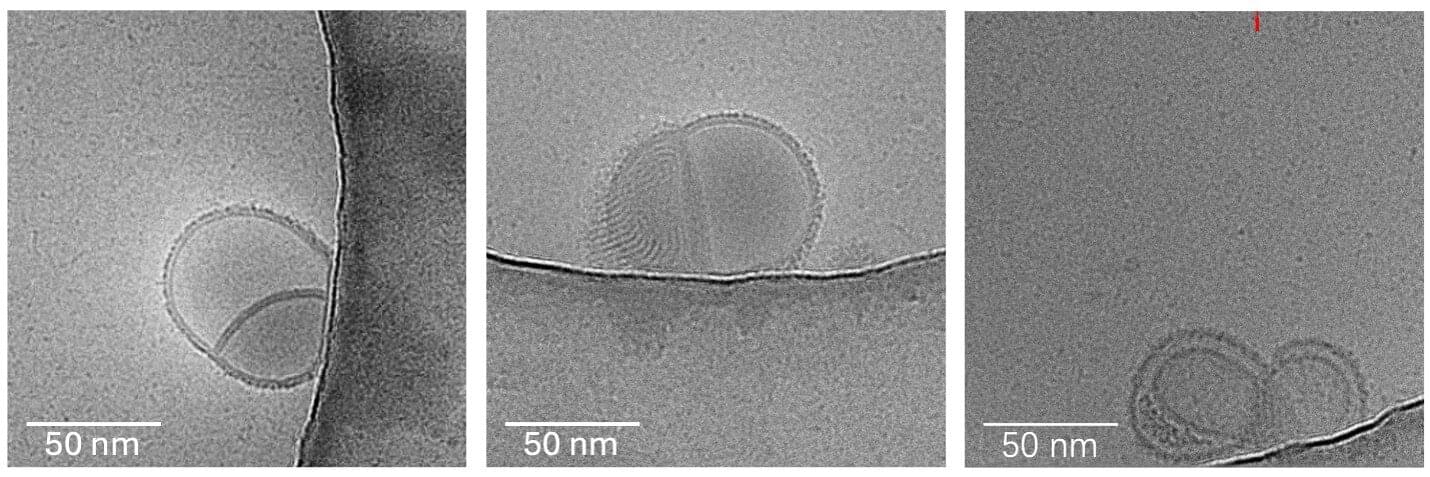
Researchers at the University of Houston’s College of Pharmacy have discovered an unexpectedly simple strategy to improve the performance of mRNA vaccines and gene therapeutics: adding salt. The findings, published in Small, address one of the biggest challenges facing modern gene medicine—getting fragile therapeutic material to the right place inside cells.
“We are introducing salt-loaded lipid nanoparticles as a novel and broadly applicable design principle for gene delivery,” said Fanfei Meng, assistant professor and Presidential Frontier Faculty member in the Department of Pharmacological and Pharmaceutical Sciences. “What makes this exciting is that we can significantly improve delivery efficiency without needing to invent entirely new materials.”
Lipid nanoparticles, or LNPs, are tiny fat-based delivery vehicles widely used to transport fragile genetic material into cells. They became widely recognized during the COVID-19 pandemic through mRNA vaccines developed by Moderna and Pfizer. Today, scientists are also using LNPs to develop new treatments for cancer, rare diseases and genetic disorders.