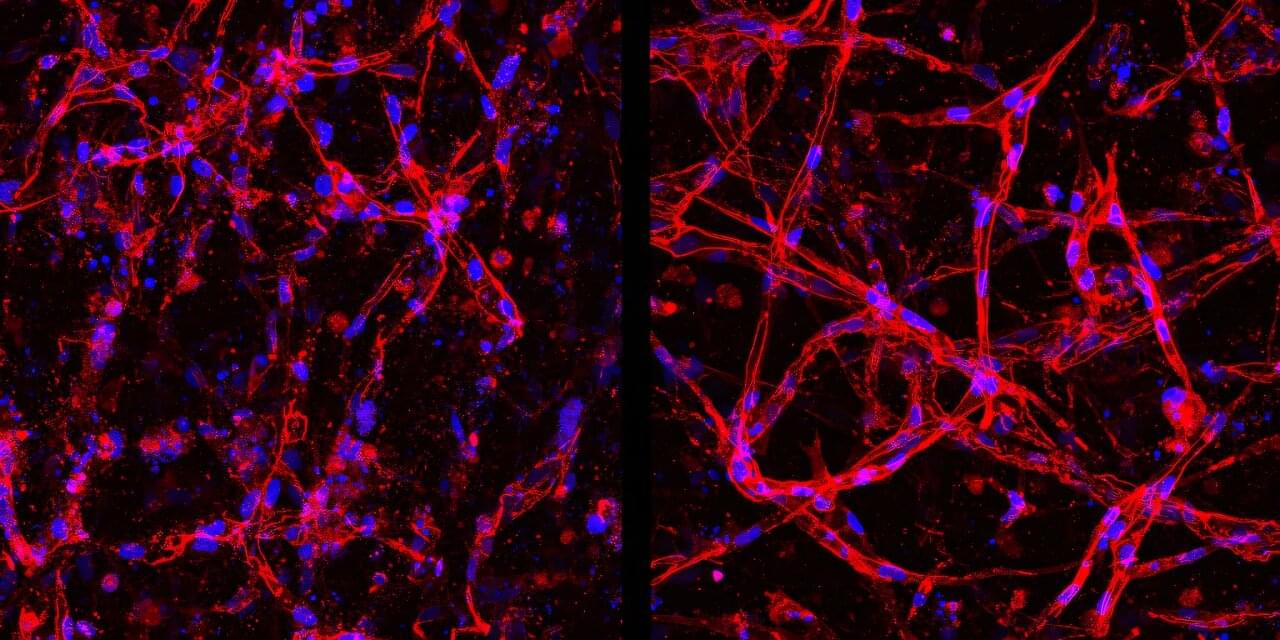
Biomedical engineers at Duke University have used induced pluripotent stem cells (iPSCs) to grow specialized blood vessel cells critical to retinal health for the first time. When injected into mouse models of retinal disease, these “retinal endothelial cells” integrated into the damaged tissue to regenerate blood vessels and restore retinal function. Researchers also demonstrated the cells’ ability to form functional retinal vascular tissue in a lab-grown environment, providing a pathway to model and research various eye diseases.
The results, published in the journal Nature Biomedical Engineering, point toward the potential of using these retinal cells and models to develop new methods for treating vision loss and researching eye disorders.
“Retinal vascular diseases affect millions of people in the US, but our understanding remains limited, hindering our ability to discover and develop new therapeutics,” said Sharon Gerecht, the Paul M. Gross Distinguished Professor and chair of biomedical engineering at Duke. “Using human stem cells, we generated the cells found in retinal blood vessels, paving the way for new therapeutic approaches.”