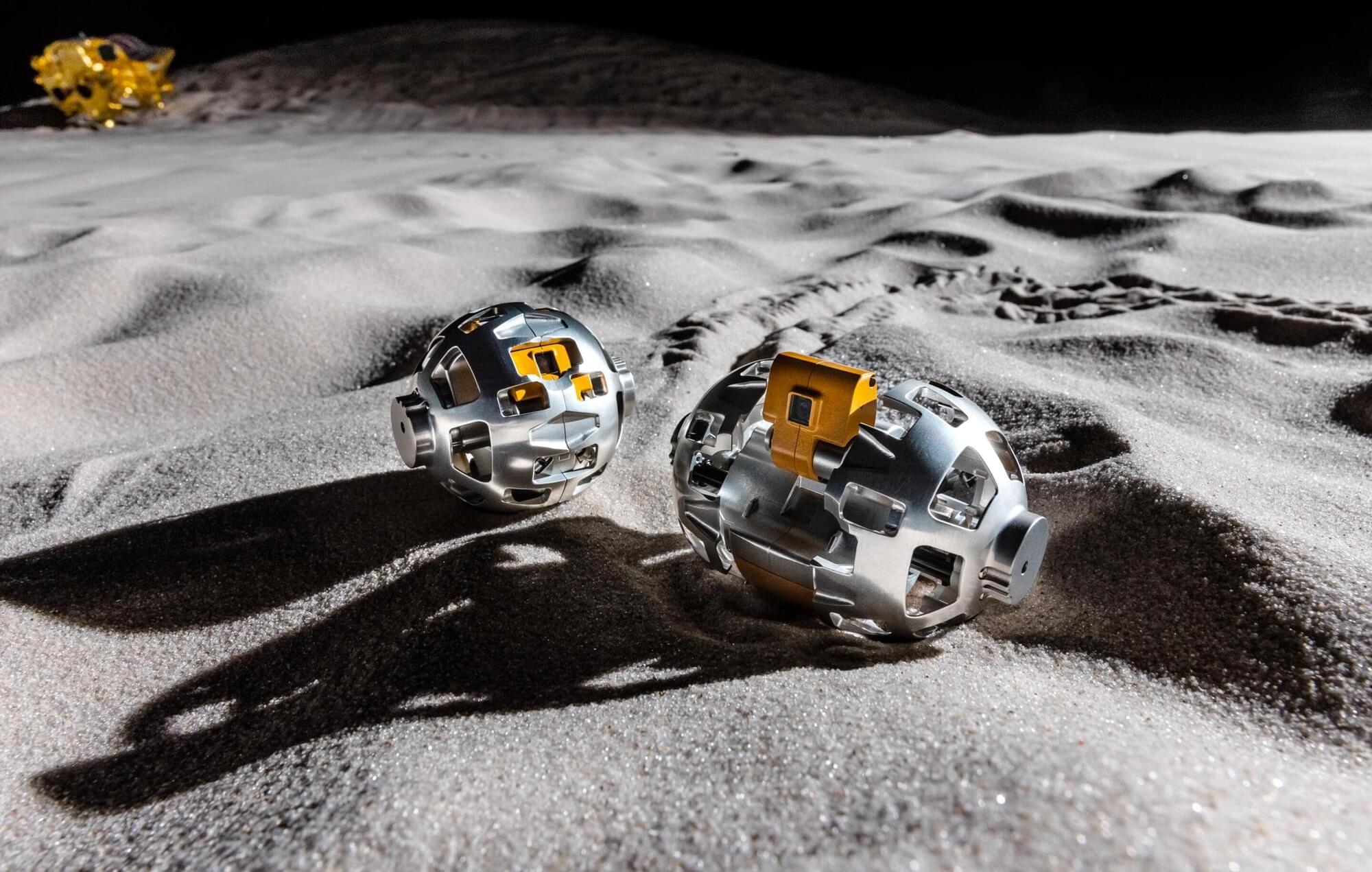
Moon missions come in all shapes and sizes, from car-sized rovers packed with scientific equipment to towering rocket payloads—and now, a small, shape-shifting machine that is about the size of the average palm.
When the Japanese Smart Lander for Investigating Moon (SLIM) touched down on the lunar surface in 2024, a small rover called LEV-2 (nicknamed SORA-Q) rolled out and explored autonomously for nearly two hours. And now, with the publication of a paper in the journal Science Robotics, we are discovering just how this tiny machine navigated the terrain, made its own decisions and what it found.
The advantages of tiny rovers for space exploration include relatively low development costs, lightweight design and the ability to fit into a crowded spacecraft. But building tiny comes with many challenges.