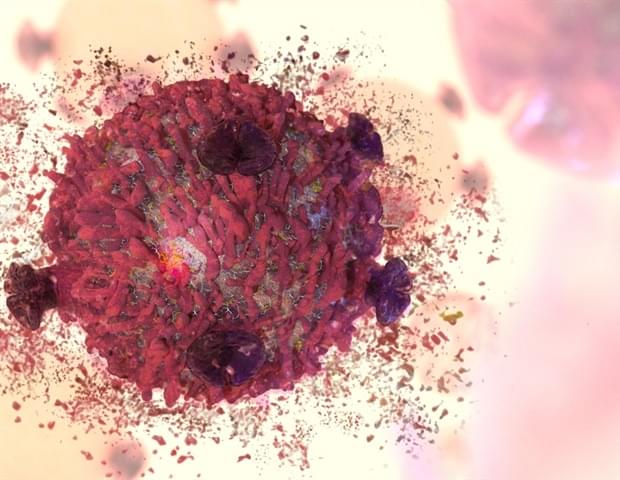
A preclinical study from researchers at The University of Texas MD Anderson Cancer Center, published today in Cell, details a connection between the immune system and cuproptosis, a type of copper-induced cell death. The findings suggest a new approach to help overcome resistance to immunotherapy.
The study, led by Boyi Gan, Ph.D., professor of Experimental Radiation Oncology, demonstrates that cancer cells undergoing cuproptosis release signals that activate the immune system. Significantly, this study is among the first to demonstrate that cuproptosis can actively engage the immune system and enhance responses to immunotherapy. In preclinical models, a combination approach of cuproptosis-inducing treatment along with anti-PD-L1 immunotherapy significantly slowed tumor growth.
“This study reveals a previously unrecognized partnership between the immune system and cuproptosis,” Gan said. “Importantly, because the cuproptosis-inducing agents used in our studies already have clinical experience and favorable safety profiles, these findings may offer a practical path toward developing new combination treatments for patients whose cancers no longer respond to immunotherapy.”