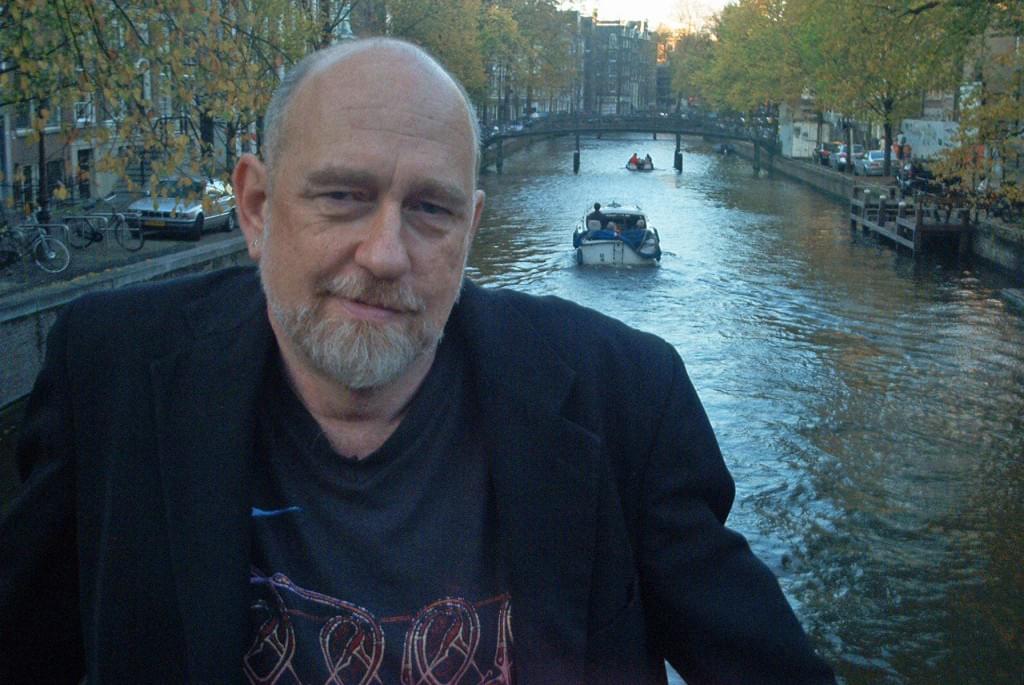
In 2013, I interviewed a man who studies cyborgs and war for a living.
Somewhere in that conversation, Prof. Chris Hables Gray predicted a global pandemic. I chimed in that it would most likely stem from a bird flu outbreak.
We were both right. Neither of us wanted to be.
That was six years before COVID. And here we are in 2026, watching H5N1 headlines pile up again.
The point was never the prediction. The point was what he said we should do about it.
Chris did not pitch a gadget. He did not sell a forecast. He argued that surviving the century is not a technology problem; it is a citizenship problem.
His line has stayed with me for thirteen years:
“We need good citizenship, strong citizenship like Socrates had when he went and risked his life to fight for Athens. We can’t be just people who vote. We must be really engaged citizens.”
We built drones and called them progress. We built surveillance and called it convenience. We are becoming cyborgs whether we voted on it or not, and almost nobody is asking who gets to decide the terms.
Chris was asking in 2013. The questions only got sharper.
A pandemic we half-saw coming. A cyborg future we are sleepwalking into. One man telling us the fix is not smarter machines but braver citizens.
Worth thirteen minutes of your attention, or thirteen years later, worth a second listen.
#AI #Singularity #Cyborg #Transhumanism #Citizenship #Futurism #technology.
Chris Hables Gray makes an excellent point about the need for strong citizenship alongside AI development. The singularity conversation often gets hijacked by either techno-utopians or doomers, and this more nuanced perspective about democratic governance of AI is refreshing. At VidGlory, we believe AI video generation should be accessible to everyone while being developed responsibly. The focus on education and civic engagement with AI technology is exactly what we need right now.