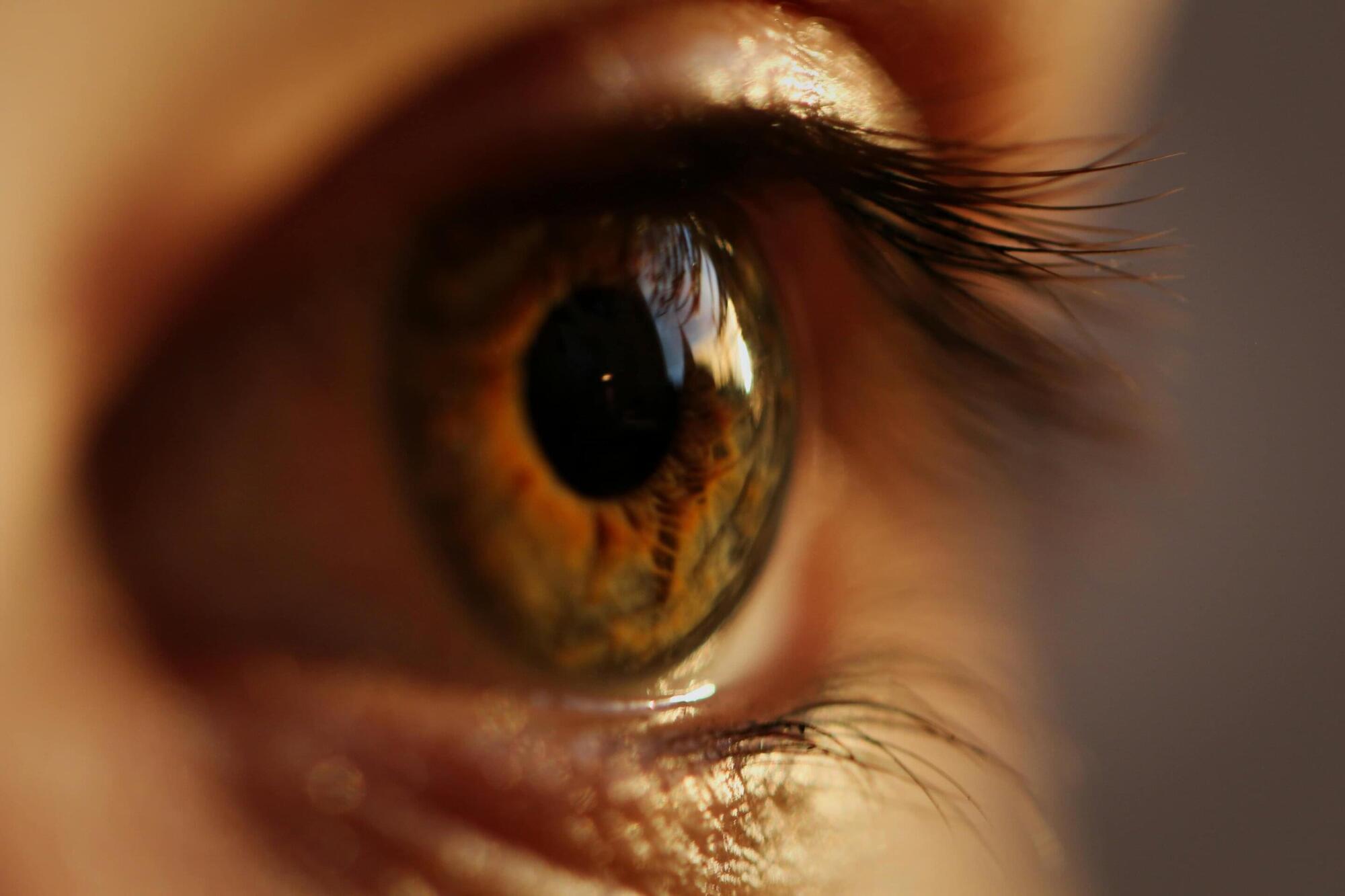
Eyes, the high-resolution biological devices that help us visualize the outside world, are now being used as a portal to assess our internal health. Scientists have found that a closer evaluation of how one’s retina is aging can provide crucial hints about bone health, especially in conditions such as osteoporosis, which makes bones weaker and more prone to fractures.
A recent study conducted in Singapore and the UK collected over 45,000 retinal images and used an artificial intelligence (AI) tool called RetiAGE to estimate a person’s retinal biological age. When researchers compared retinal age with bone mineral density, they found an inverse relationship between the two.
Among participants in Singapore, people with older-looking retinas tended to have lower bone mineral density and higher fracture risk scores. Meanwhile, the UK-based cohort, where participants were studied for over a decade, revealed that a higher retinal biological age at the start of the study was a predictor for a greater chance of developing osteoporosis by the end of it.