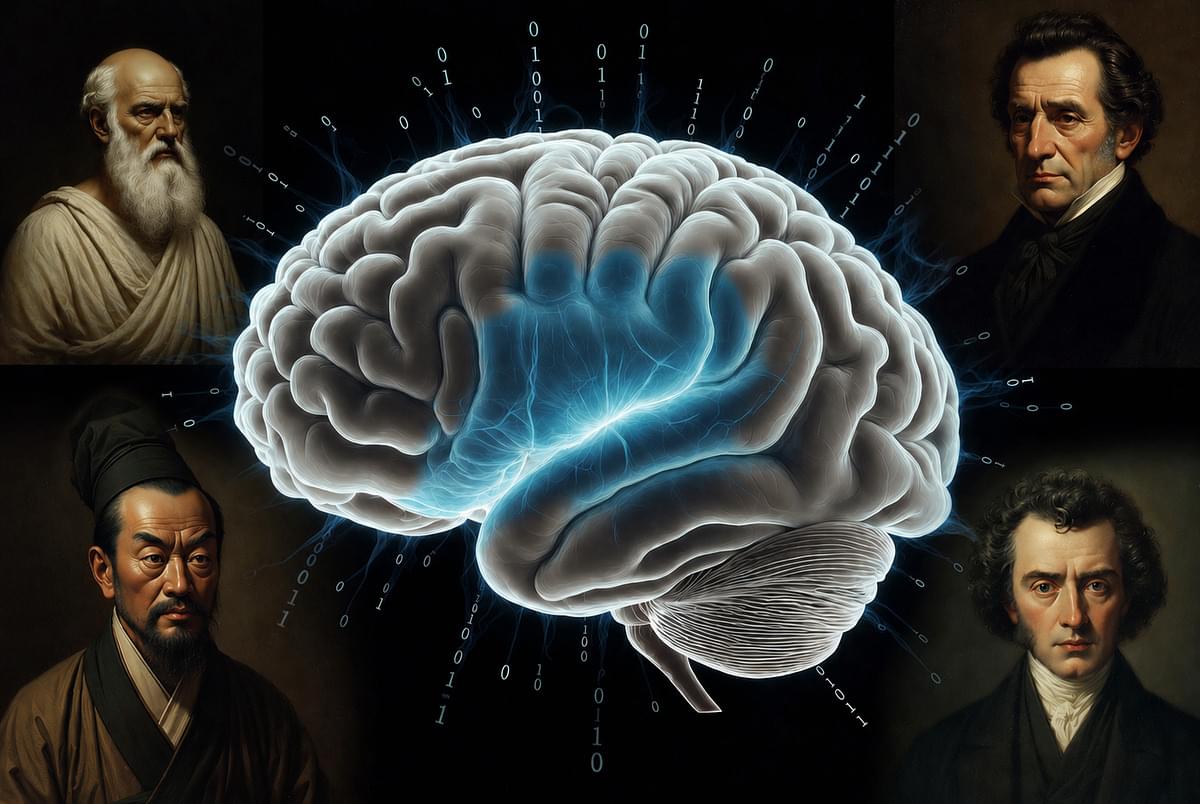
In a previous article, I traced Adversarial Convergence (AC) through 2,500 years of human intellectual history — from Sun Tzu’s unsentimental assessment of self and enemy, through Socrates’ elenchus, through Hegel’s dialectic, and to Kant’s critical method. The argument was that AC isn’t a novel prompt engineering technique. It’s a formalization of something human cognition has been doing naturally whenever it operates at points of tension and resolution.
This raises a deeper question: why does structured adversarial reasoning consistently produce more refined analysis and conclusions? What is it about human cognitive architecture that makes this particular structure the natural shape of rigorous truth-seeking? The answer appears to live, at least in part, in a small but remarkably important region of the brain.