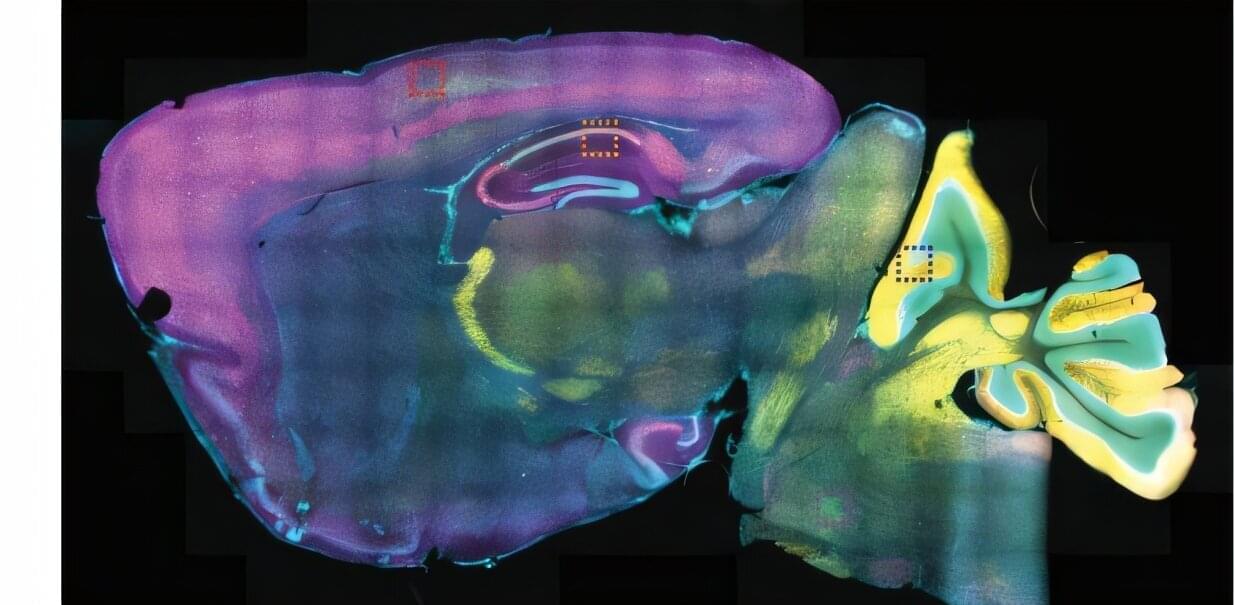
Gene editing can repair a DNA error in mice that causes Dravet syndrome, a rare, incurable, and potentially deadly form of childhood epilepsy. After the edit, the mice have far fewer seizures and live much longer. As published in Science Translational Medicine, the results suggest that a one-time genetic correction could someday treat the root cause of the disease rather than just managing its symptoms. The work represents a major step for genetic medicine, as restoring disease-relevant brain function with gene editing tools remains a major challenge.
The study also reflects growing momentum behind gene editing as a therapeutic platform for rare diseases. In February 2026, the Food and Drug Administration issued its Plausible Mechanism Framework guidance, outlining a regulatory pathway for individualized therapies targeting specific genetic conditions. It recognizes that for rare genetic diseases, a well-characterized biological mechanism can serve as the foundation for approval where large clinical trials are not feasible.
“For families affected by Dravet syndrome, our study provides proof of concept that a genetic correction approach could have real impact, a future with treatments that don’t just manage the disease but actually address its cause,” said Matthew Simon, a senior study director at The Jackson Laboratory (JAX) Rare Disease Translational Center (RDTC) who co-led the study. “We’re at an inflection point in genetic medicine, where we can now actually repair the DNA itself.”