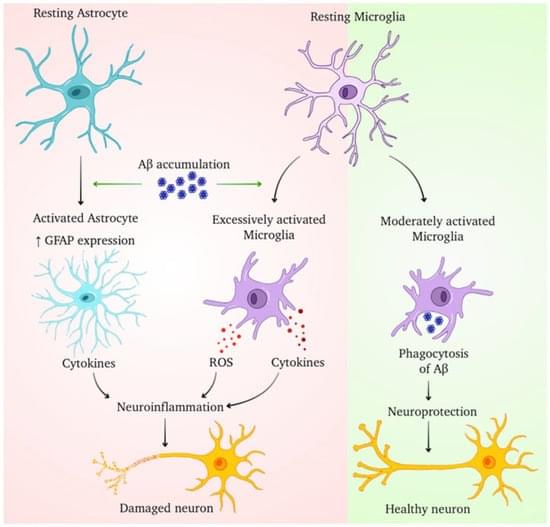
Neurodegenerative diseases such as Alzheimer’s disease (AD), Parkinson’s disease (PD), Huntington’s disease, multiple sclerosis, and amyotrophic lateral sclerosis share converging mechanisms of neuronal dysfunction, including protein aggregation, oxidative stress, and chronic neuroinflammation. Glial cells, once considered passive supporters, are now recognized as central drivers of these processes, offering both pathogenic triggers and therapeutic opportunities. Yet, despite compelling preclinical evidence, the translation of glial-targeted therapies into clinical success has been limited. This review provides a critical synthesis of current knowledge by examining therapeutic strategies through the lens of their translational challenges and failures.