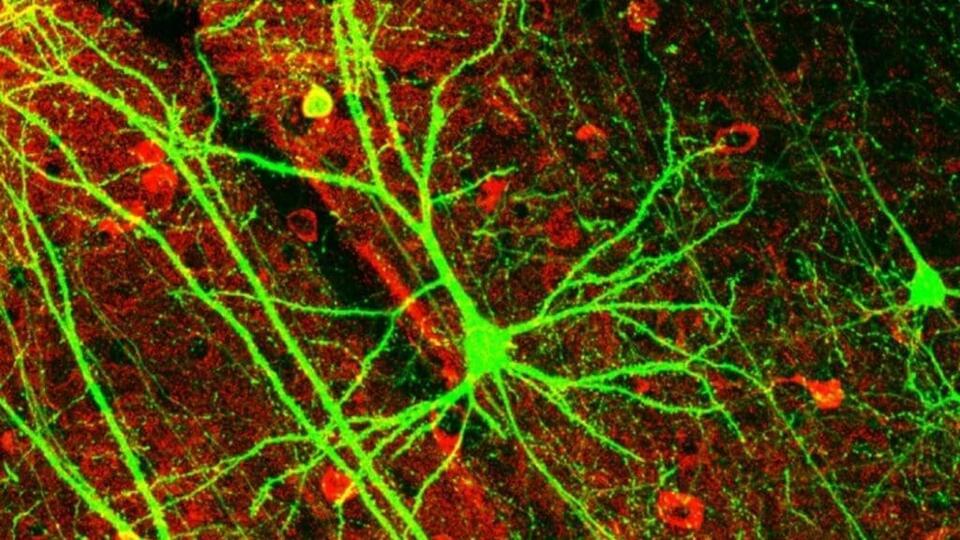
When researchers at Yale gave a shelved cancer drug to old mice whose brains were already riddled with Alzheimer’s-like damage, the animals started remembering again. Synapses that had gone quiet flickered back to life. Proteins that mark healthy brain connections climbed toward normal levels. And when the drug was taken away, the cognitive gains stuck.
The drug is saracatinib, originally developed by AstraZeneca under the code name AZD0530 to treat solid tumors. It never panned out for cancer. But a team led by Stephen Bhatt and Christopher van Dyck at Yale School of Medicine recognized that its molecular target, an enzyme called Fyn kinase, plays a central role in how amyloid-beta destroys synapses in Alzheimer’s disease. Their work, published across several peer-reviewed studies between 2015 and 2020, has made saracatinib one of the more closely watched examples of drug repurposing in neuroscience. As of mid-2026, the compound’s preclinical results remain striking, but its clinical story is more complicated.