Contemporary artificial intelligence (AI) systems, such as the models underpinning the functioning of ChatGPT, image generators and AI-powered creative tools, draw inspiration from the human brain’s functions and organization. While many of these systems are known to perform remarkably well on specific tasks, they still work independently from the human brain.
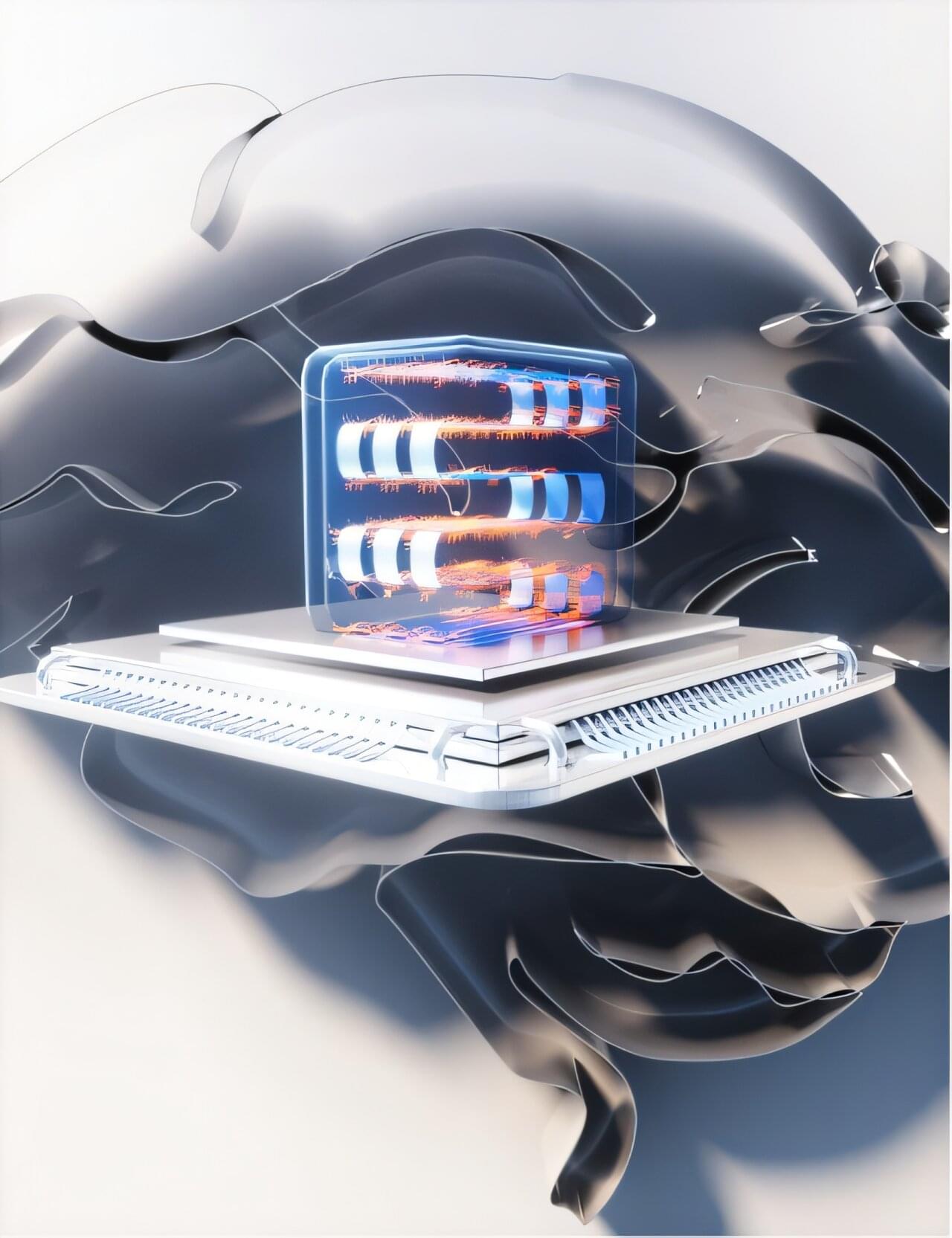
Researchers at Princeton University set out to create a flexible electronic system that could be directly embedded with groups of living brain cells to create a hybrid biocomputing platform. The new hybrid device they developed, dubbed 3D-MIND, was introduced in a paper published in Nature Electronics.
“This work started with a growing challenge in modern AI,” Tian-Ming Fu, senior author of the paper, told Tech Xplore. “Today’s systems can do incredible things, but they consume enormous amounts of energy, so much that their power demand is starting to shape real-world infrastructure and raise environmental concerns.