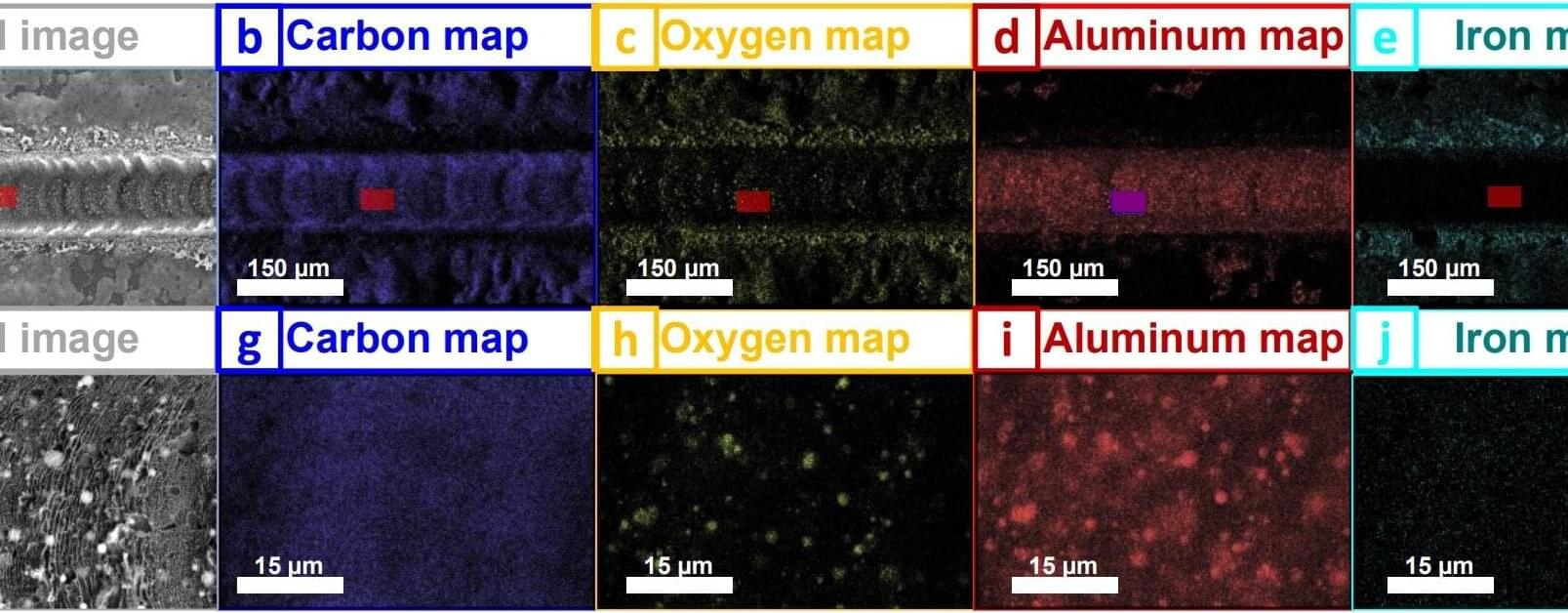
Just as embroiderers, with needle and thread, can transform plain fabric into an intricate pattern, engineers can use lasers and polymers to create flexible, complex structures that could transform life-saving sensing technology. An interdisciplinary team at the University of Pittsburgh’s Swanson School of Engineering has developed a new manufacturing strategy that reveals where and how laser-induced graphene (LIG) forms on polymers.
The research opens new opportunities for flexible microelectrodes and neurochemical biosensors.
“Miniaturizing Laser-Induced Graphene for Biosensors by Spatial Control of Initiation and Side-Selective Microfabrication on Commercial Polymers” was selected as a cover feature in Issue 7 of the Advanced Materials Technologies, published in April 2026.