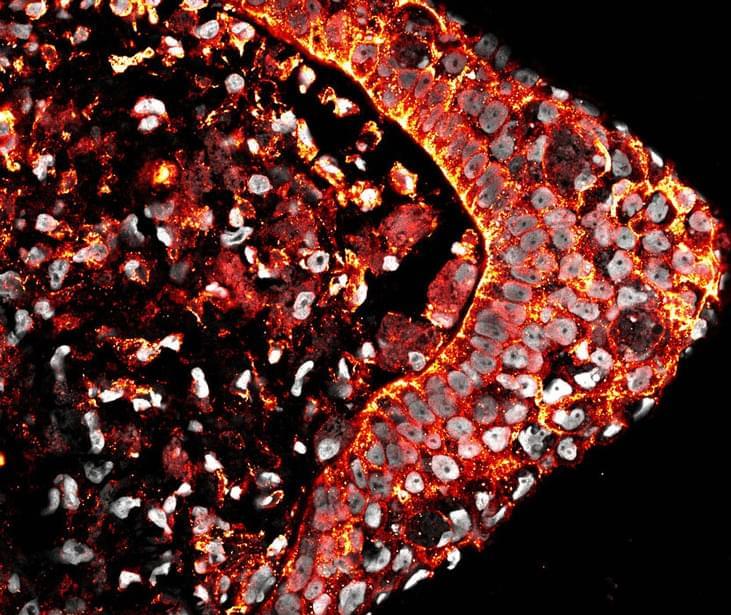
Why mammals cannot regenerate limbs like amphibians do presents a long-standing puzzle in biology. To uncover the underlying differences, we compared amputation responses of embryonic mouse (Mus musculus) and Xenopus laevis tadpole limbs. Lowering environmental oxygen or stabilizing the oxygen-sensitive hypoxia-inducible factor 1A (HIF1A) induced rapid wound healing in mouse limbs. This response was accompanied by altered cellular mechanics, metabolism, and a histone landscape that primed regenerative cell states. Conversely, Xenopus tadpole limbs retained these features even under high oxygen levels. Their reduced oxygen-sensing capacity was associated with decreased HIF1A-regulating gene expression. Our results thus identify species-specific oxygen-sensing capacity as a fundamental, targetable mechanism that can unlock latent regenerative programs in mammals.