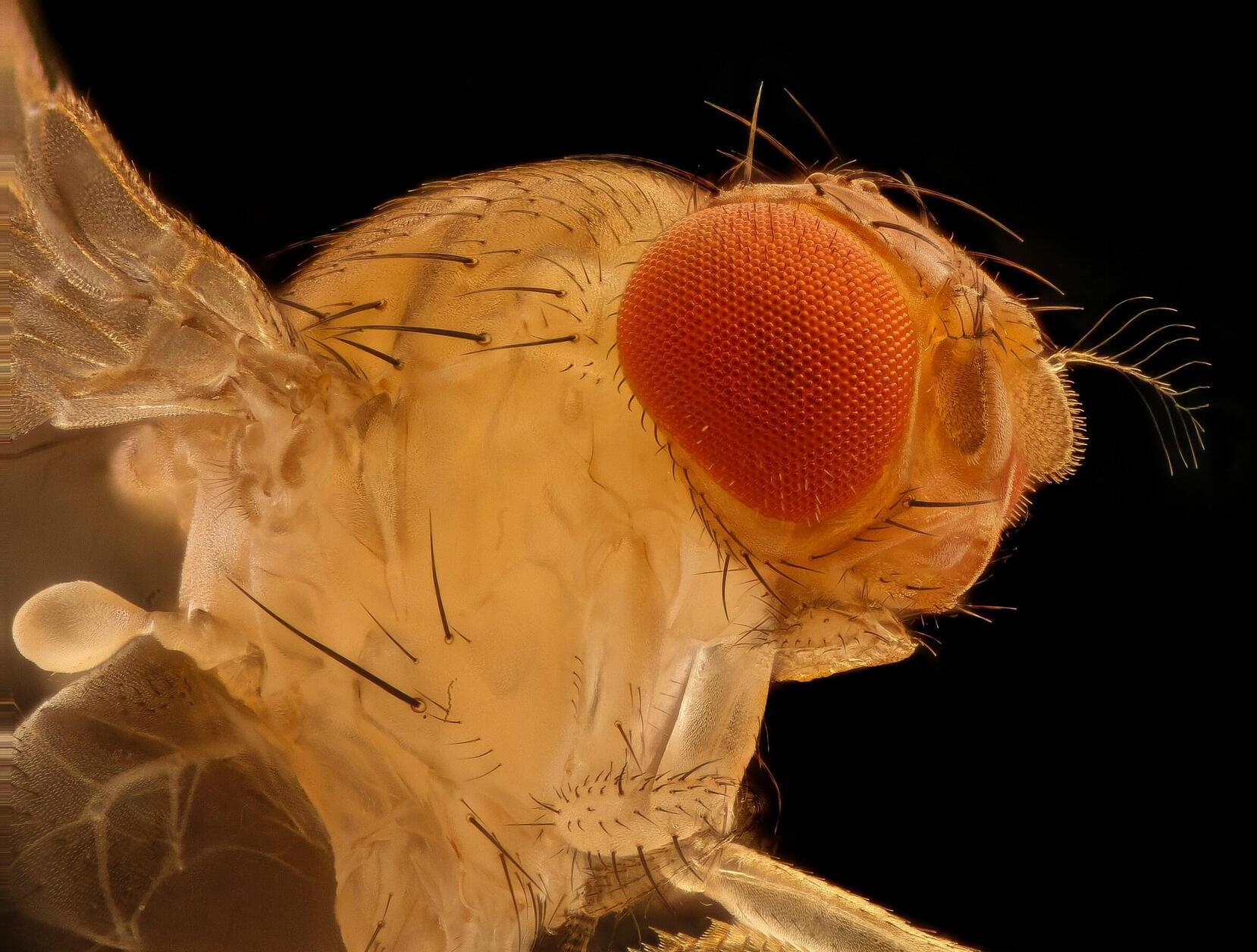
Researchers at UC Santa Barbara are coming ever closer to uncovering the neural circuitry that translates stimulus to action, shining light on previously unseen neural connections and lesser-known functions of neurons that underlie behavior. Neuroscientists Durafshan Sakeena Syed, Primoz Ravbar and Julie H. Simpson have found that inhibitory neurons—nerve cells known to be responsible for suppressing movement—actively generate and coordinate the rhythmic limb movements required for grooming in fruit flies.
This work is published in the journal eLife. These findings, according to Syed, do not only demonstrate complexities of the animal nervous system that we are only beginning to learn; they also have potential implications for robotics and biomimetic design.