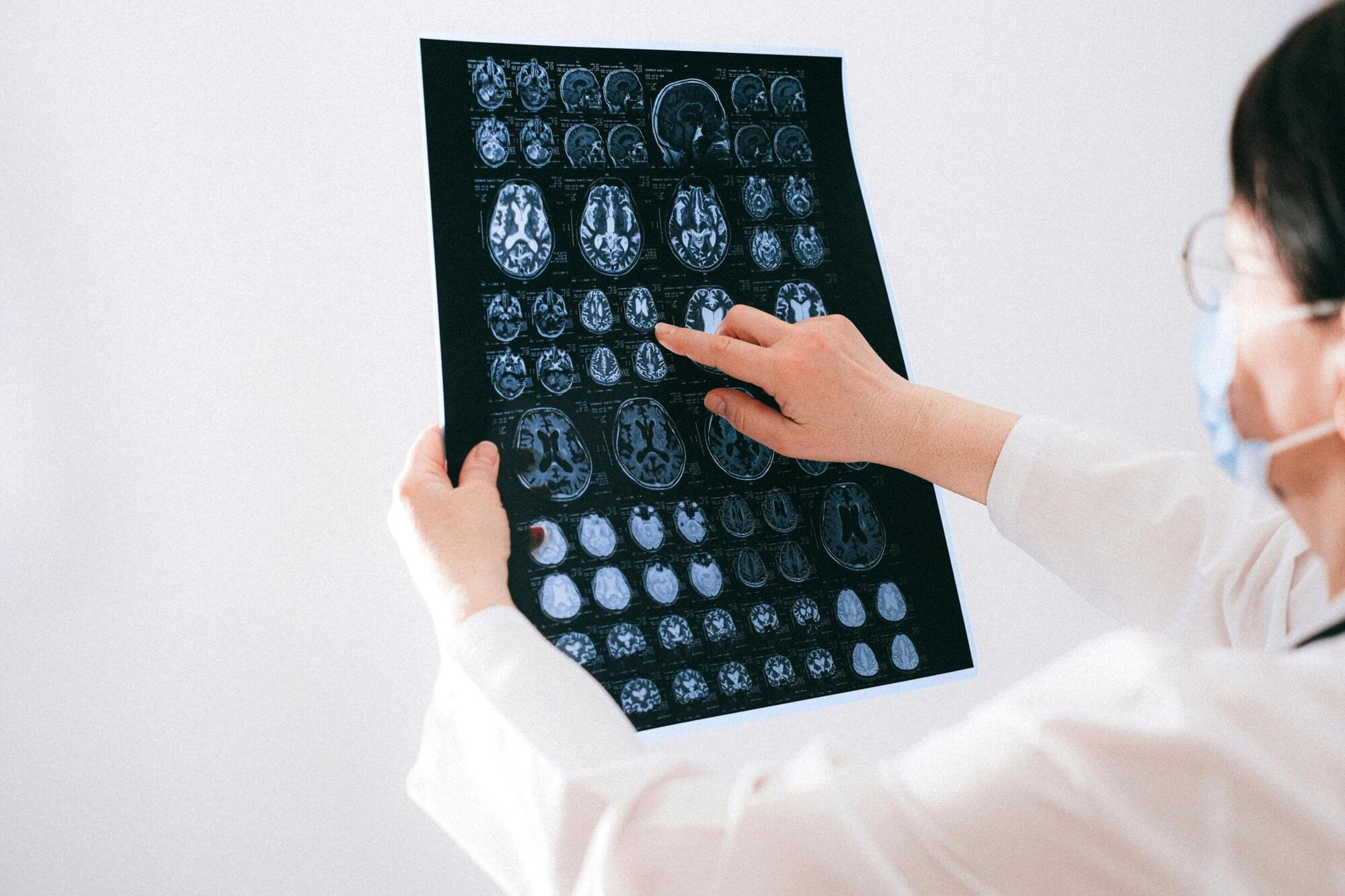
Studying cognition by averaging data from many people’s brain scans hides how individuals use their brains, new Stanford Medicine research has shown. In particular, children who struggle with goal-oriented tasks show distinct patterns of brain activity when their data is analyzed individually, rather than as part of a group of kids with mixed abilities. The findings, which have implications for understanding how the brain works in such conditions as attention-deficit/hyperactivity disorder, will be published April 27 in Nature Communications.
“Investigating how dynamics unfold within individual brains can provide significant insights into the neuroscience of individual differences and help us tackle questions that cannot be answered using conventional approaches,” said Percy Mistry, Ph.D., a research scholar in psychiatry and behavioral sciences, and a lead author of the study.
Mistry shares lead authorship with Nicholas Branigan, MS, a research data analyst in psychiatry and behavioral sciences. The senior author is Vinod Menon, Ph.D., a professor of psychiatry and behavioral sciences and the Rachael L. and Walter F. Nichols, MD, Professor.