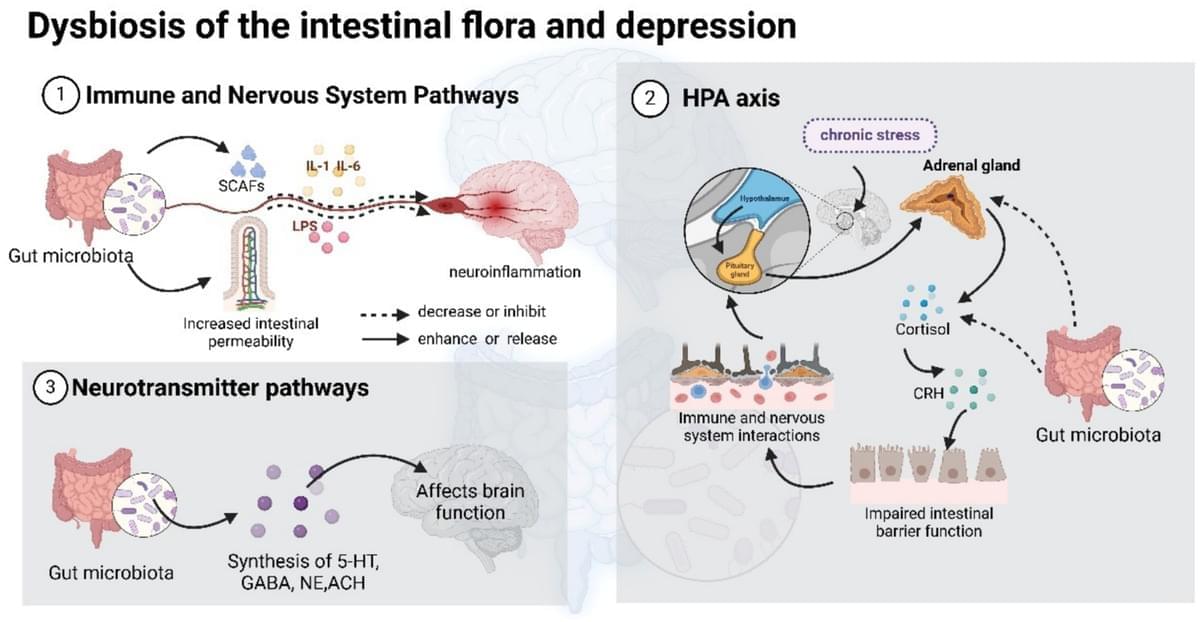
The treatment of depression has long faced the challenges of a low treatment rate, significant drug side effects and a high relapse rate. Recent studies have revealed that the gut microbiota and neuronal mitochondrial dysfunction play central roles in the pathogenesis of depression: the gut microbiota influences the course of depression through multiple pathways, including immune regulation, HPA axis modulation and neurotransmitter metabolism. Mitochondrial function serves as a key hub that mediates mood disorders through mechanisms such as defective energy metabolism, impaired neuroplasticity and amplified neuroinflammation. Notably, a bidirectional regulatory network exists between the gut microbiota and mitochondria: the flora metabolite butyrate enhances mitochondrial biosynthesis through activation of the AMPK–PGC1α pathway, whereas reactive oxygen species produced by mitochondria counteract the flora composition by altering the intestinal epithelial microenvironment. In this study, we systematically revealed the potential pathways by which the gut microbiota improves neuronal mitochondrial function by regulating neurotransmitter synthesis, mitochondrial autophagy, and oxidative stress homeostasis and proposed the integration of probiotic supplementation, dietary fiber intervention, and fecal microbial transplantation to remodel the flora–mitochondrial axis, which provides a theoretical basis for the development of novel antidepressant therapies targeting gut–brain interactions.
Depression is a disorder that severely affects the mental health of the global population and is characterized by persistent low mood, loss of interest and cognitive dysfunction (GBD 2017 Disease and Injury Incidence and Prevalence Collaborators, 2018; COVID-19 Mental Disorders Collaborators, 2021; Salari et al., 2020). Globally, depression is one of the leading causes of mental disability. According to the World Health Organization (WHO), the global prevalence of depression is approximately 4.4%, which means that more than 300 million people worldwide suffer from depression (Xu et al., 2024). In addition, depression is one of the major causes of suicide deaths, with nearly 800,000 people worldwide dying by suicide each year (World Health Organization, 2021).