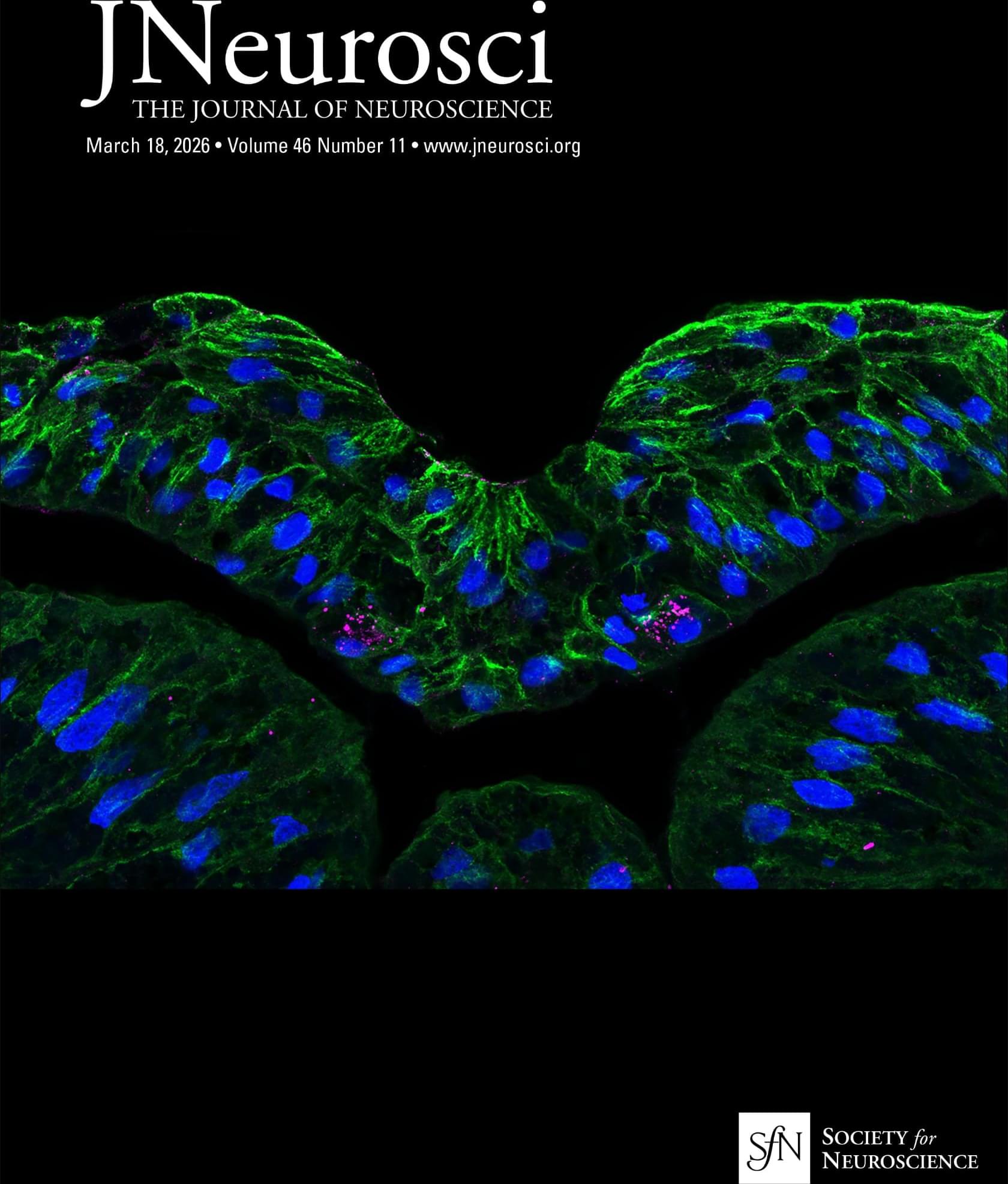
JNeurosci: Findings from Quintana-Sarti et al. help explain how targeting microRNA-134 in mice can reduce seizure activity and support the continued development of this novel RNA-based approach for the treatment of epilepsy.
▶️
The multifactorial pathophysiology of acquired epilepsies lends itself to a multitargeting therapeutic approach. MicroRNAs (miRNA) are short noncoding RNAs that individually can negatively regulate dozens of protein-coding transcripts. Previously, we reported that central injection of antisense oligonucleotides targeting microRNA-134 (Ant-134) shortly after status epilepticus potently suppressed the development of recurrent spontaneous seizures in rodent models of temporal lobe epilepsy. The mechanism(s) of these antiseizure effects remain, however, incompletely understood. Here we show that intracerebroventricular microinjection of Ant-134 in male mice with preexisting epilepsy caused by intra-amygdala kainic acid-induced status epilepticus potently reduces the occurrence of spontaneous seizures.