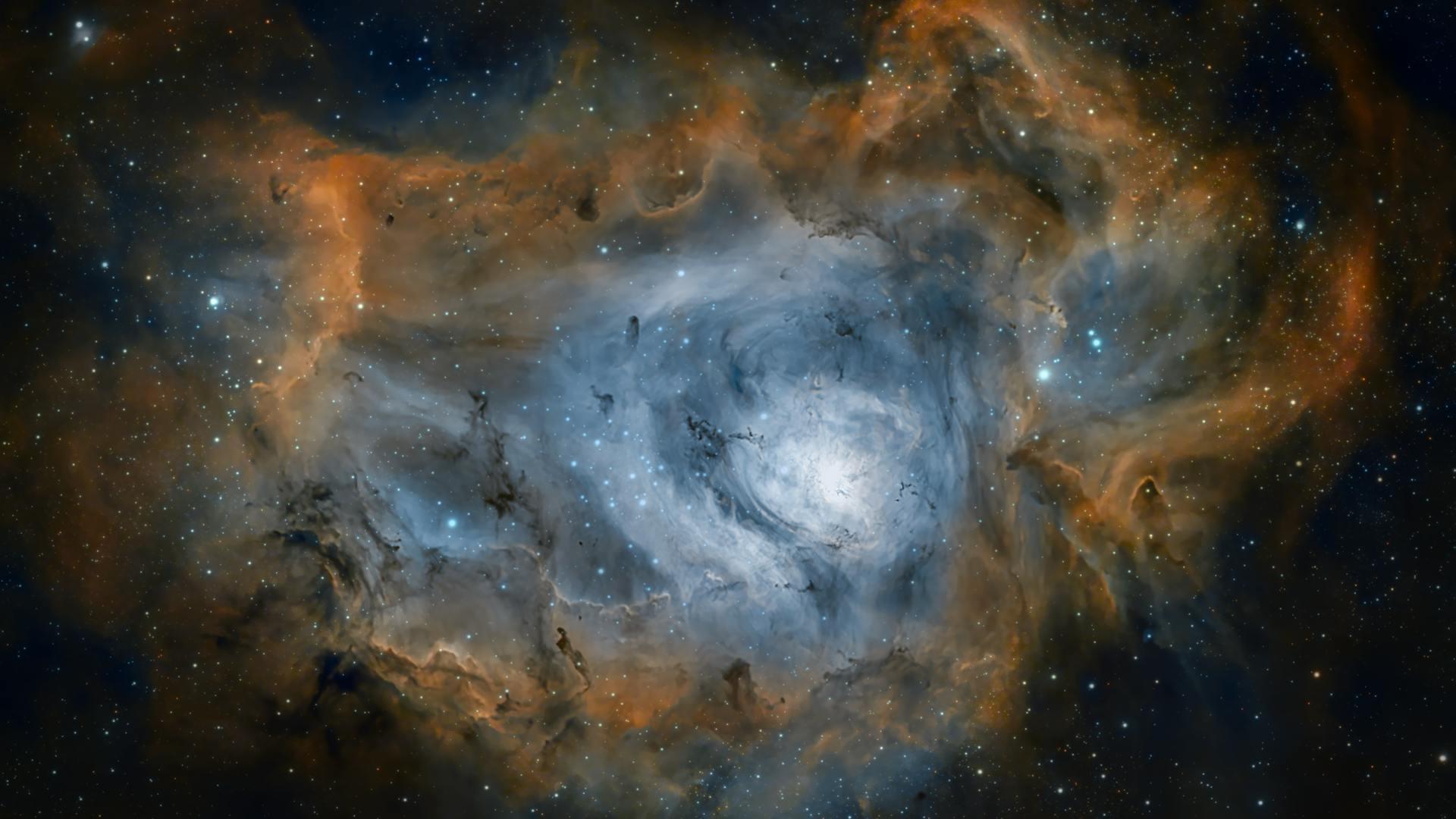
A point-like cosmic particle accelerator pumps out PeV gamma rays stronger than expected from a pulsar 50x weaker than Crab.
What makes this discovery remarkable is not just the energy, but the efficiency. This system appears to convert energy into high-speed particles far more effectively than current physics says it should.
In simple terms, astronomers may have found a cosmic particle accelerator that outperforms even their best theoretical designs.
To understand the breakthrough, it helps to know what scientists were looking at. A pulsar wind nebula forms when a dead star, called a pulsar, spins rapidly and blasts out a stream of charged particles at nearly the speed of light.