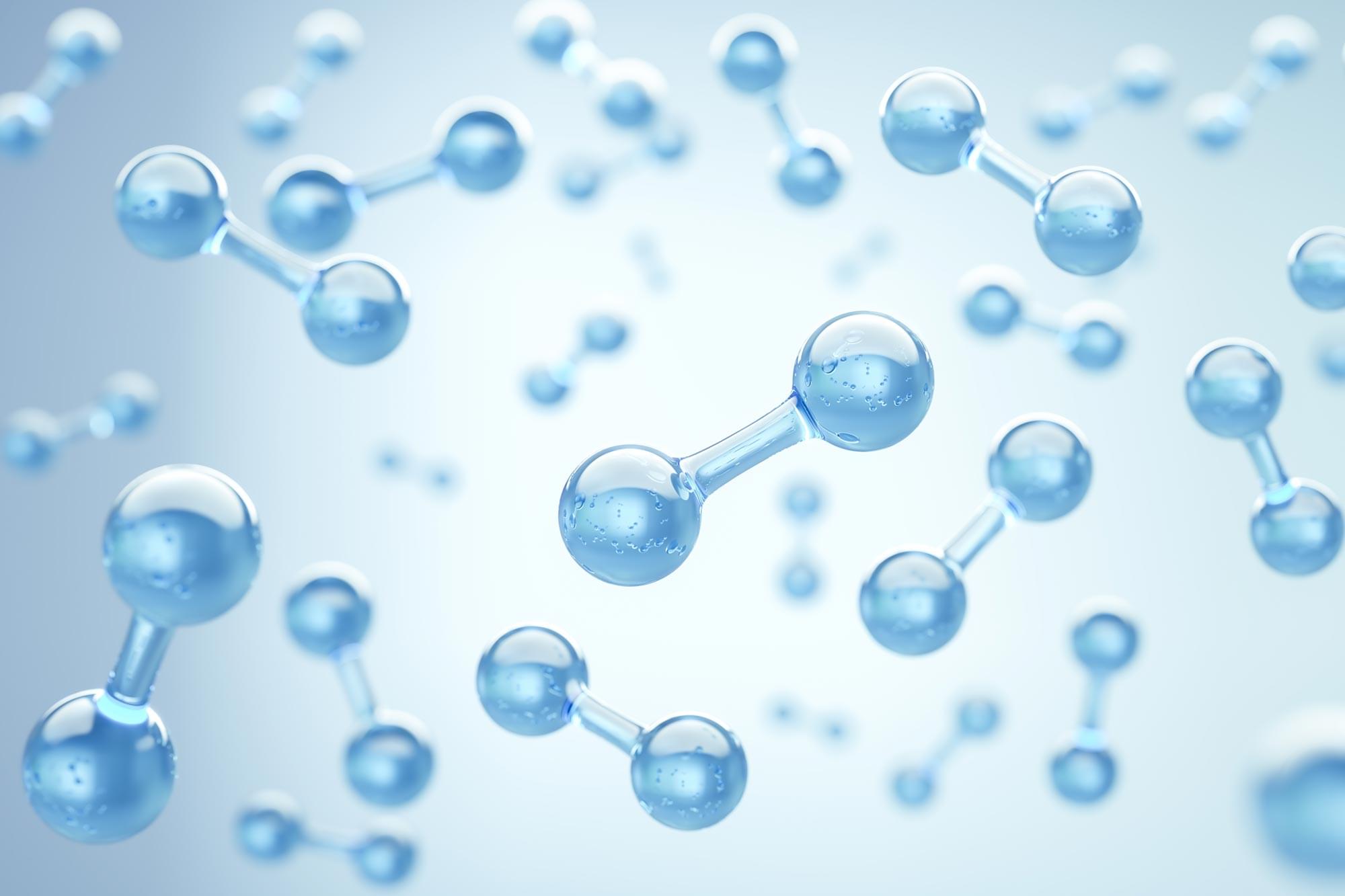
Iron plays a central role in how the body uses oxygen. In hemoglobin, it binds dioxygen, a pair of oxygen atoms, allowing blood to carry oxygen to tissues. But this is only part of the story. Iron-oxo compounds, which contain iron bonded to oxygen in a highly reactive form, also drive critical chemistry in the liver, where enzymes rely on them to break down medications and toxins.
Rice University chemist Raúl Hernández Sánchez set out to explore whether oxygen could react with other metals, particularly those in the lowest region of the periodic table known as the f-block. This group includes lanthanides in the upper row and actinides below.
He proposed that if lanthanides could bond with oxygen, they might form reactive lanthanide-oxo compounds. These compounds could serve as synthetic alternatives to iron-oxo systems and give chemists new ways to study small-molecule reactions linked to biology.