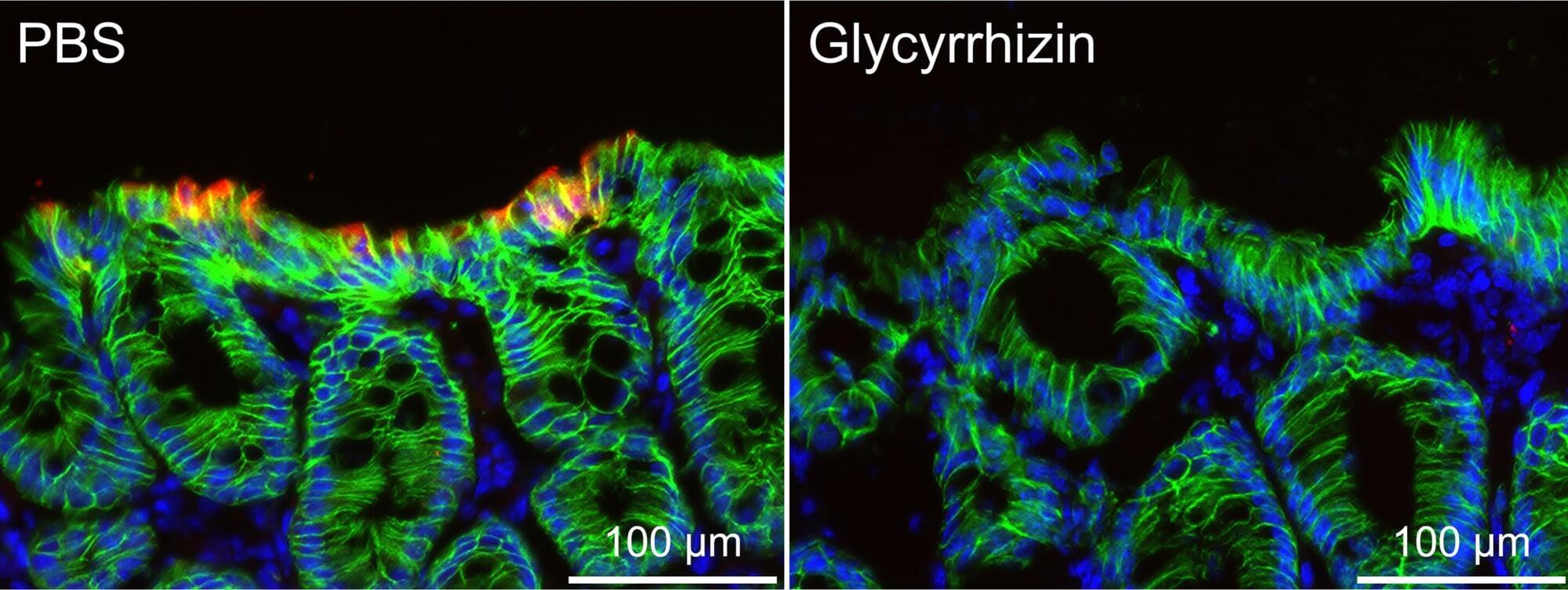
A new study published in Stem Cell Reports demonstrates how a human stem cell-derived model of the intestine can be used to identify potential therapies for inflammatory bowel disease (IBD), highlighting glycyrrhizin as a promising candidate for reducing intestinal inflammation and cell death.
The burden of IBD is rising globally, with an estimated 4 million people affected worldwide. The disease is characterized by chronic inflammation of the intestinal wall, leading to symptoms such as persistent diarrhea, abdominal pain, and fatigue. Standard treatments include anti-inflammatory drugs and other immune-targeting therapies, but many patients experience only limited benefit.
High-throughput screening (HTS) offers a promising strategy to discover new IBD therapies but depends on having a reliable model of the human intestinal wall for laboratory testing.